East Riding of Yorkshire: county 1
People often comment that their wedding day is surreal: they’ve planned every detail impeccably, living every moment countless times in advance… and then it all just happens very fast, and is suddenly done. And it’s wonderful and joyous that it’s done – but strange.
I frequently feel something akin to that with performing. So much time and thought goes into every note or phrase, and into the logistics of planning an event – and then, it’s just done! I can’t quite believe I’ve finished this week – that I’ve played my first complete 48, and that I’ve got this project off the ground.
At least in this case, there are more performances to look forward to (lots of them!). It’s not over yet.
In normal times I would have played some informal run-throughs to forgiving audiences before venturing out in public with this music. But covid times are different. Prior to this week, I’d played Book 1 complete once, a couple of years ago (a few of those preludes and fugues I’ve played a lot). But I had never performed any of Book 2 to an audience before, before this week – with the exception of those that I’ve livestreamed this year for the project, where the audience is the other side of a computer (hardly a low-pressure warm-up!).
A friend said to me last week that it must have been hard spending so long in the starting blocks, without the usual distractions of other projects and normal life. That has definitely been true. It’s been so good this week just to get started. I’ve loved the rhythm of coming home after each concert and cracking straight on with the next day’s preparation. In the last week I’ve played more concerts than in the preceding fourteen months. And this music is particularly intricate – the necessary mental and physical attention to detail is considerable, which is tough when performing has gone from being an everyday activity to a distant memory. A colleague posted something online last week about how tired she felt just from doing things that had been normal, pre-pandemic – socialising with people, or spending the day out and about. I definitely felt that this week with performing. After day one, I was knocked for six! I’d forgotten, though, how much more satisfying the tiredness of doing something is, as compared with the groggy tiredness of doing nothing in recent months. Alongside the tiredness, this week, I’ve been astonished to notice how energising it is just to be doing the thing that inspires me – i.e. sharing music. I hadn’t fully appreciated what an absence that has been in the last year.
I’ve even felt my brain working better in the last few days – more vocabulary, more ideas, more wit, even, perhaps (though some might beg to differ on that count…). I’ve spent time in recent months looking at ‘music and the brain’, and all the neuroscience demonstrates unequivocally that playing music gets your brain firing on all cylinders. I’ve felt that this week.
When I planned the first performance of Project 48, I always knew it was going to be a big deal for me: a real challenge musically and intellectually, and the beginning of such a monumental undertaking. And that was partly why I’d planned this first performance to be spread over several days, to give myself breathing space (whereas other counties are mostly each across just one or two days). But somehow what would have been enormous anyway has been exacerbated by it also being the first live music out of lockdown. There were moments when it all hit me as being quite overwhelming. On the other hand, the fact it was the first music out of lockdown was a wonderful equaliser with the audience. From whichever side of the stage, we were simply engaged in a shared musical experience, and were unusually conscious of how much that meant.
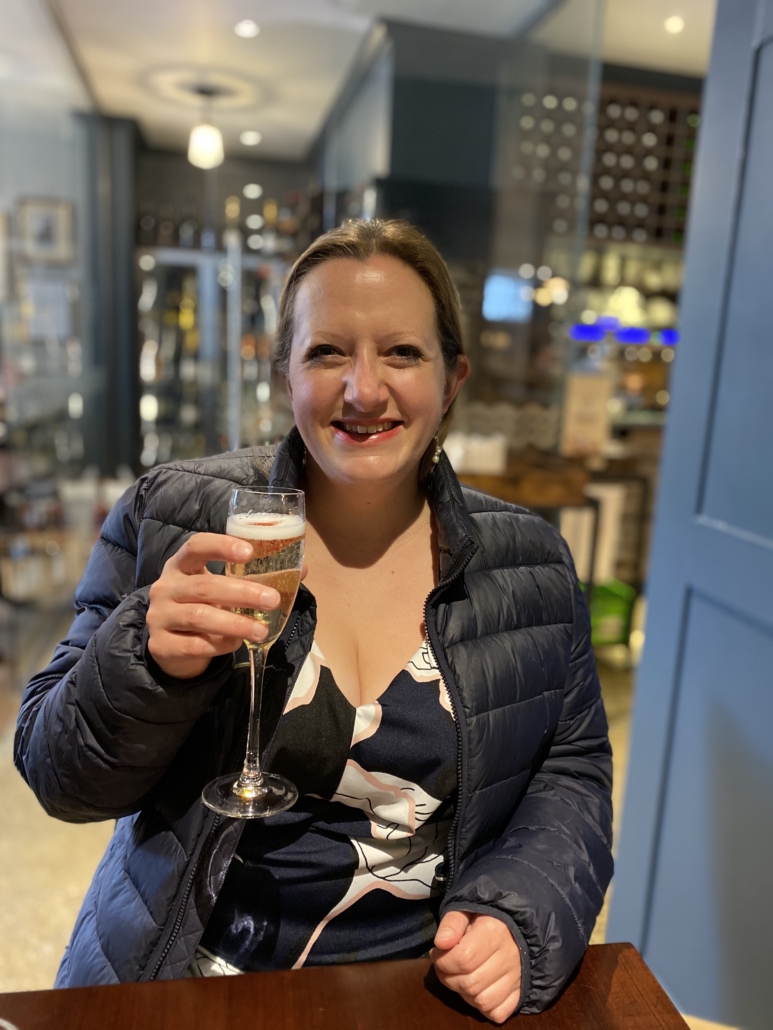
Tuesday – the first day – was very special for me. I loved every moment and just relished making music on stage. Wednesday was harder – I was tired and my concentration was less good (it turns out that performance psychology, and being able to ignore distractions, goes out of practice, every bit as much as technique!). But there were some dear, supportive people in the audience this day too, and that was a lovely factor. Thursday felt particularly intense. Although I’d tried to share out the moods equally between the days, there was more melancholy in this day’s selection. And I dedicated this performance to my other half’s Mum, who had died a year ago that day. I hadn’t anticipated how important it would feel for me to be able to express my sadness around that, and to play for her, and for him, to process and articulate in music: in normal times that would have happened much sooner, and yet, under the circumstances, it hadn’t – until now. And I was aware that many others in the audience had also lost people – or time, or opportunities – in the last year. So I felt there was a shared grief in the air that day. Friday was sunnier, I think. My playing was less tidy, but I had found my feet in other ways, and felt ready to take more risks with characterising the music. And there were some of the madder bits of Book 2 this day. By Saturday, I was just keenly aware of the joy and privilege of playing, and sharing, this music. I’d saved some of my favourites til last, ending with the E flat major from Book 1 – so joyous, but somehow profoundly happy, not just skittish. A glass (or more) of champagne over the road at the Beverley Arms followed hot on the heels of that last fugue!
Each day there have been people in the audience who haven’t until that moment experienced live music for over a year. Some commented they spent the first ten minutes in tears just for that reason.
Some people really chose to make a Bach pilgrimage this week: they came to every minute of the music, some commenting that they felt wrung out (in a good way I hope?!) at the end. Some of these people had extraordinary, detailed knowledge of this music – humblingly so – lifetimes of association with it, deeply considered and informed opinions on recordings and performances and context. Plenty were surprised to notice how much less they knew Book 2 than Book 1, which I also felt until quite recently: I enjoyed exchanging ideas on the different natures of the two books, just a couple of decades apart in Bach’s lifetime, but so contrasted in compositional style – you can sense Mozart just round the corner in some of the later works. Other people popped in just for one day – perhaps taking the chance just to sit and enjoy the space after being stuck at home for months. There were people from the church congregation, singers from the community choir, a retired bishop and a former’s King’s Cambridge organ scholar. There were visitors to the town, making the most of finally being allowed to take holidays, who’d spotted posters in the street (beautiful posters, Mark Atkinson, thank you). In turn they enquired about performances in their own counties, or promised to tell friends/relatives elsewhere to look out for the tour. Great to think of the word spreading in that way!
A young child sat in the front row of the last performance, impressively attentive throughout. A music student setting off to university in the autumn was there. We’ve had babies and toddlers during the week, only very occasionally audibly stirring. A dear schoolfriend of mine was there on Saturday. Pianists of all ages reminisced about playing some of the pieces for their own Grade 7 or 8 exams – across many different decades!
I’ve been incredibly touched by people’s willingness to share their own stories with me. Perhaps that’s exacerbated by the way we’ve all been separated from one another’s stories in recent months. Or perhaps the shared experience of live music – especially such profound music – opens up these pathways.
One lady told me of how her own mother used to play these piece at home, saw them as her Bible: the mother now has dementia and is unable to play, but the daughter has published a book of poetry, amongst which one poem reflects on the different seasons amongst the different pieces of the 48. She presented me with a copy of this book and I have it here beside me. Another man wrote a heartfelt letter about why he’s enjoyed the music this week, enclosing a copy of the music he composed when his wife died last year. Each movement is named after a different herb – rosemary for remembrance, zinnia for thoughts of missing friends, calendula for affection and grief, speedwell for loyalty and fidelity.
These are encounters I won’t forget.
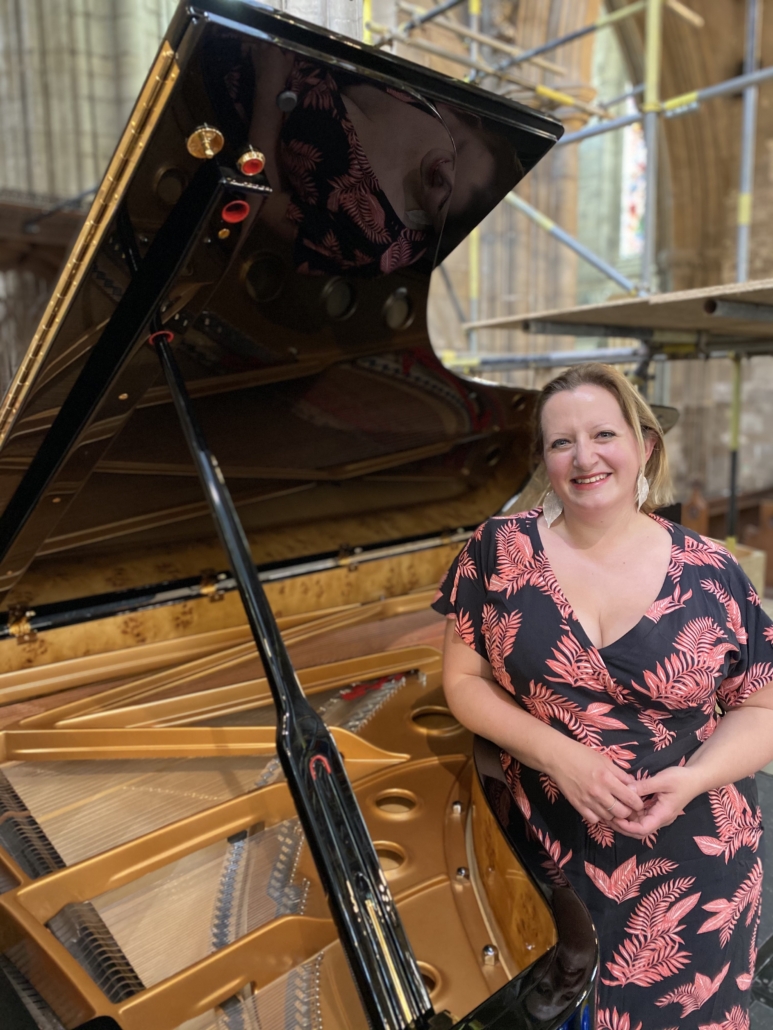
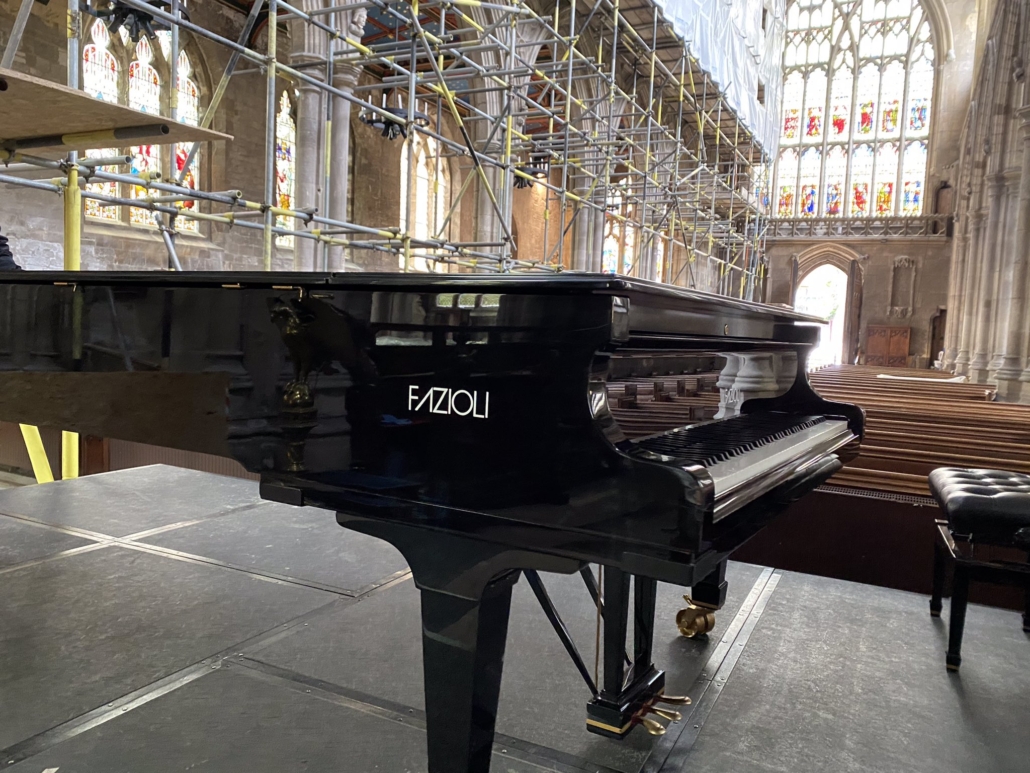
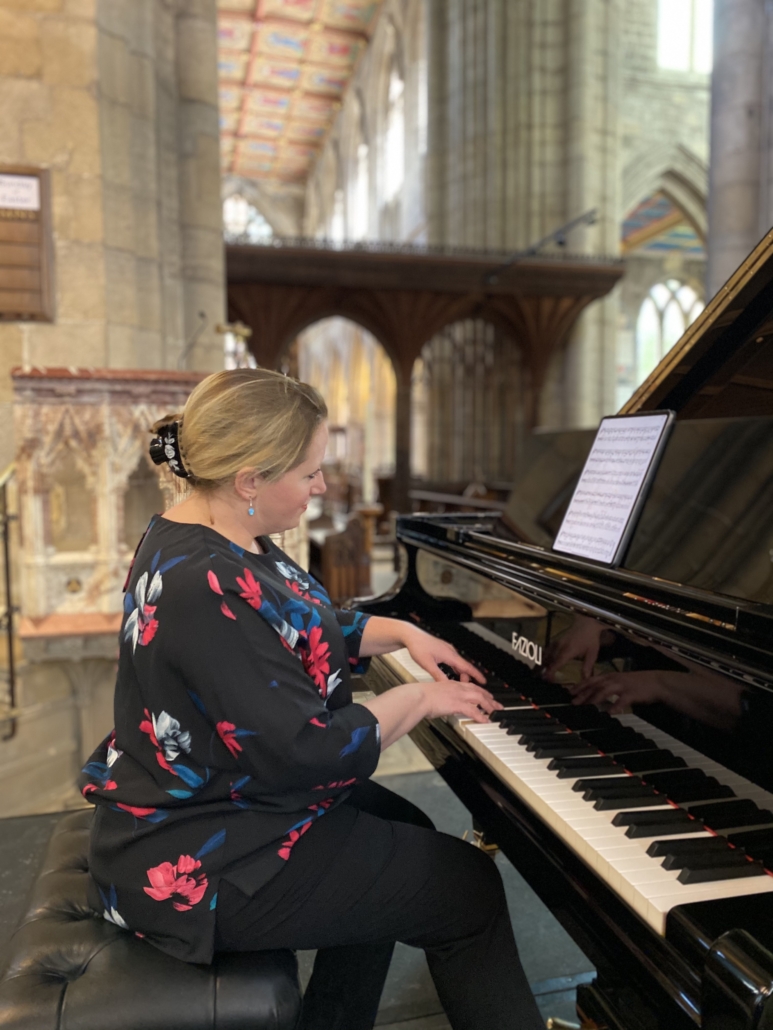
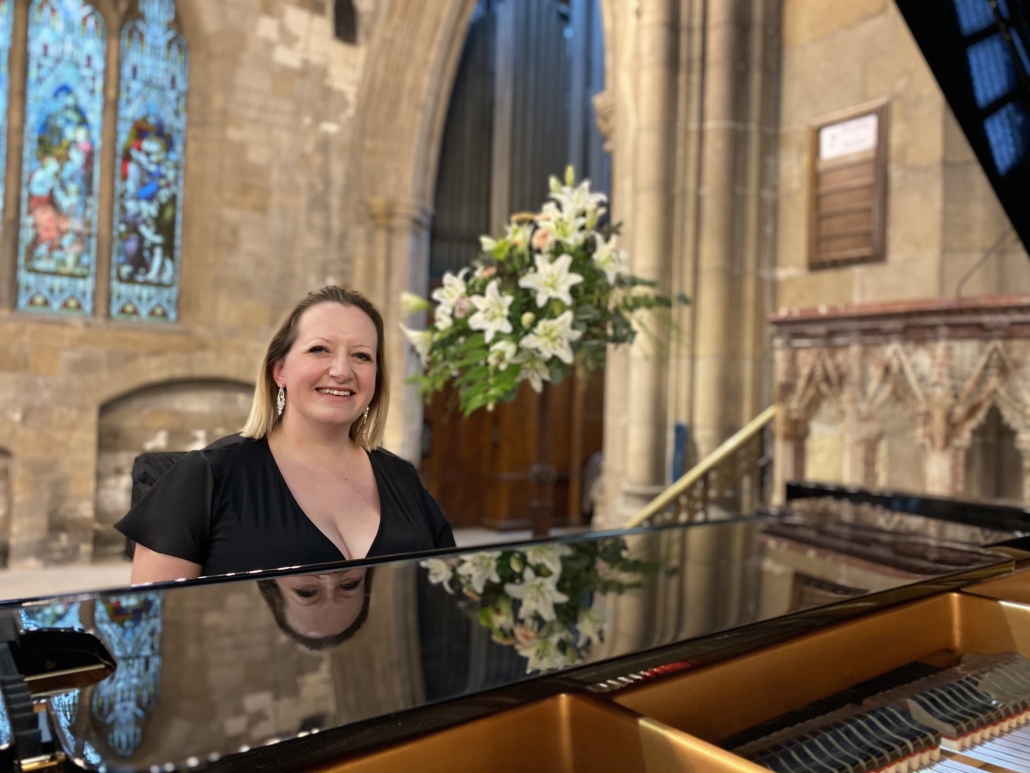
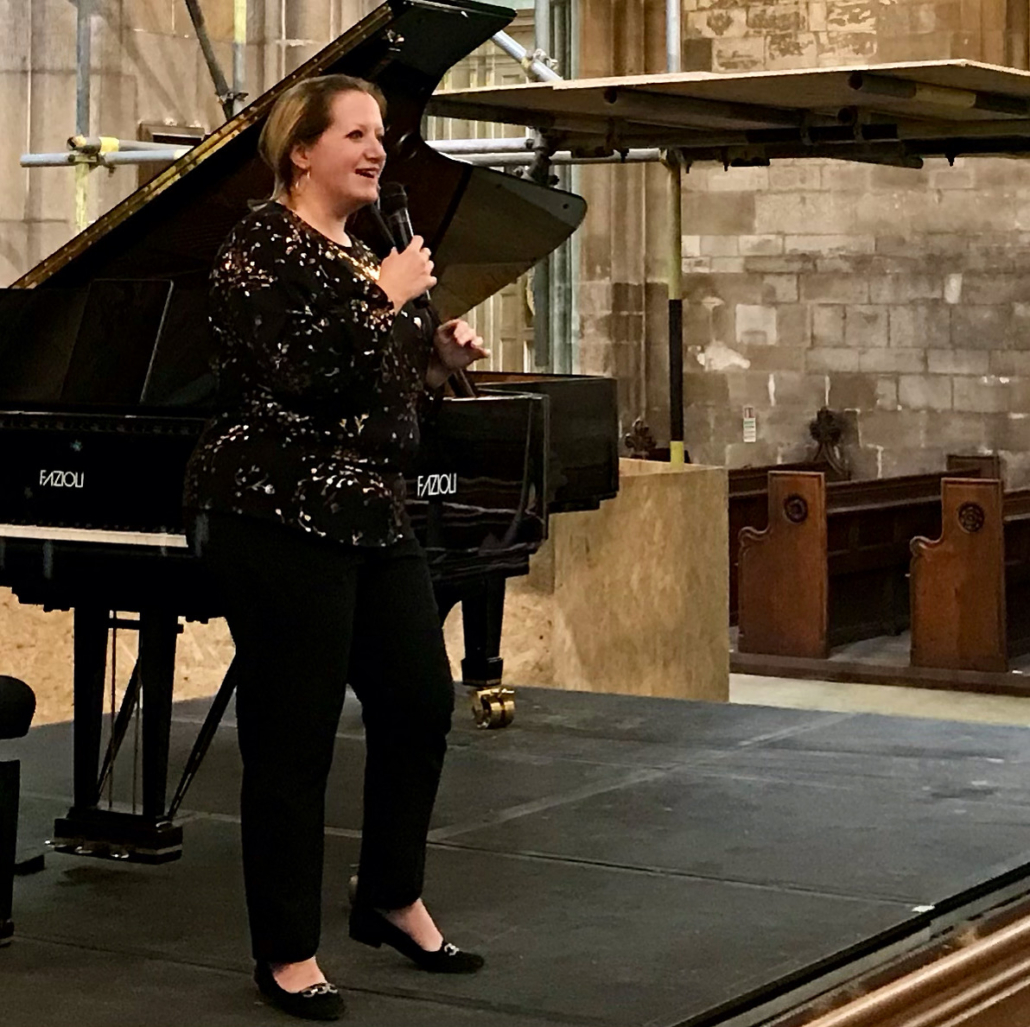
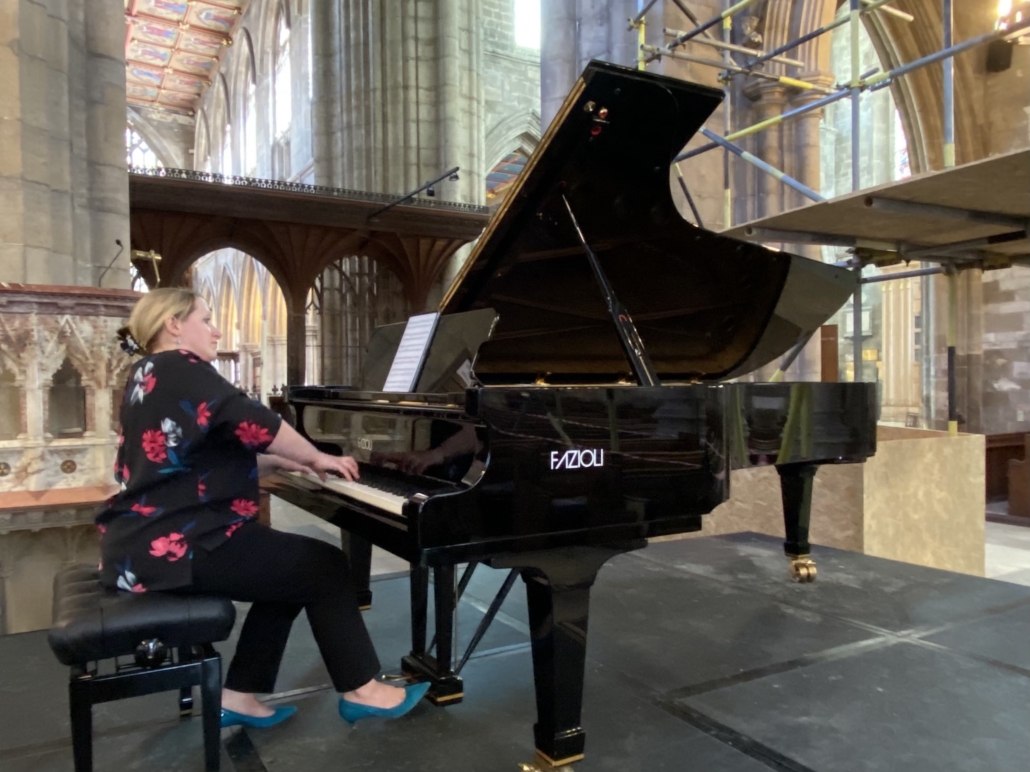
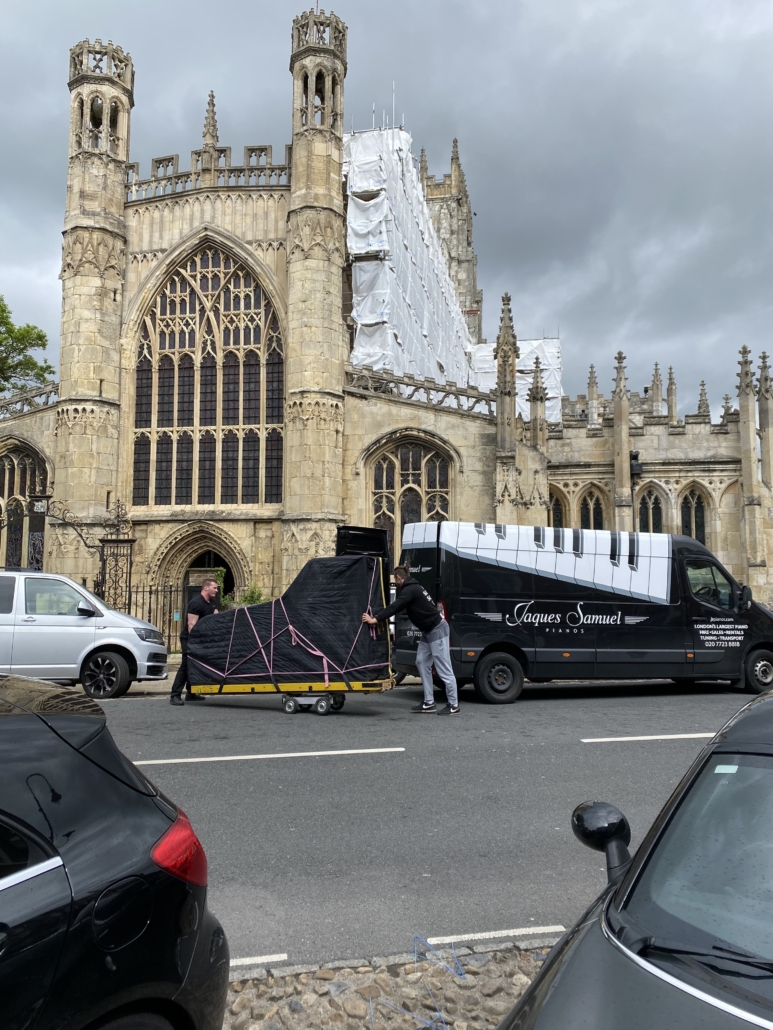
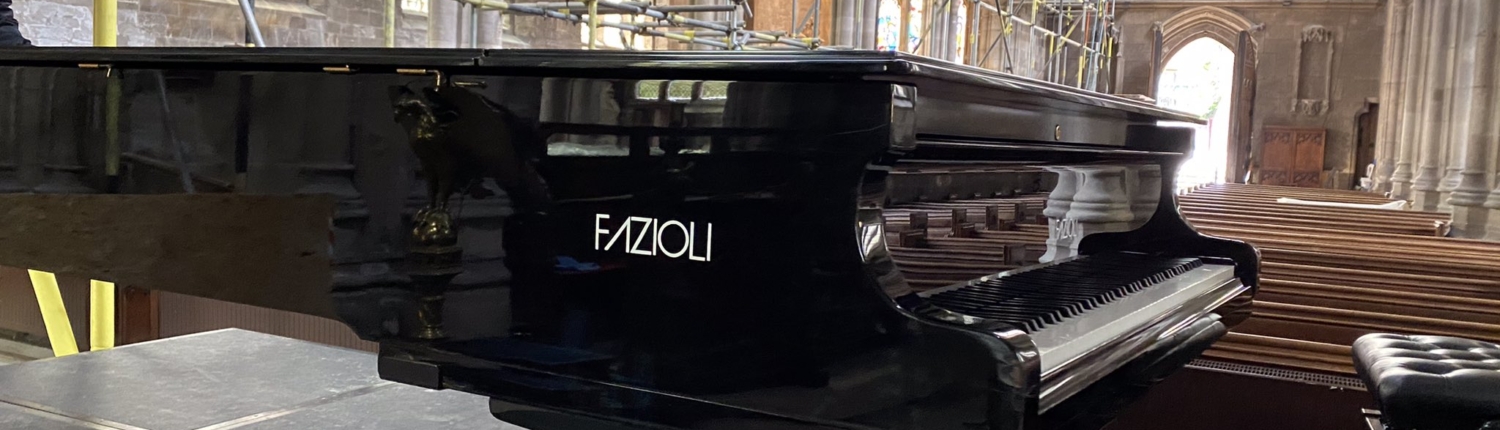
The piano was a total joy – a Fazioli F278, hired in from Jaques Samuel and paid for by a generous supporter (thank you!). The instrument had real warmth: a comfortable, but not unnerving, lightness of touch, yet somehow also encouraging a depth of sound, playing right into the keys. I could sink into it – a real warm, luxurious bath of a piano. I was lucky to visit the Fazioli factory, just outside Venice, a few years ago (spending a lot of someone else’s money, choosing a piano for someone else!). They pride themselves on each instrument having a very distinctive character – they produce fewer pianos a year than other makers, and each is particularly individual.
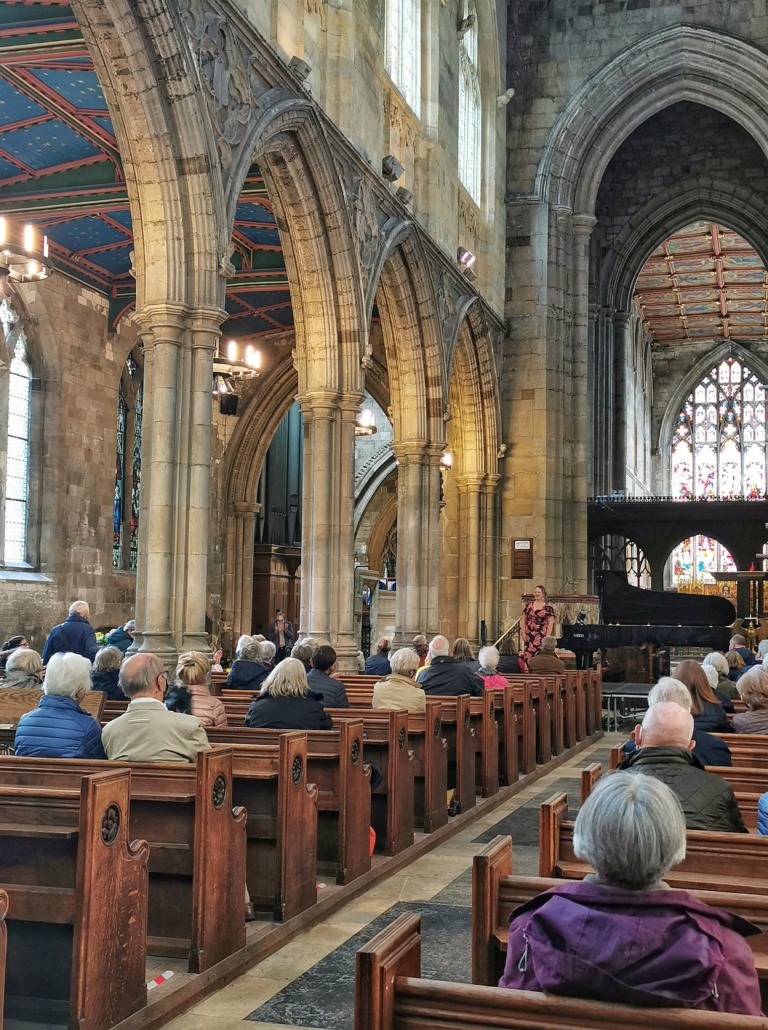
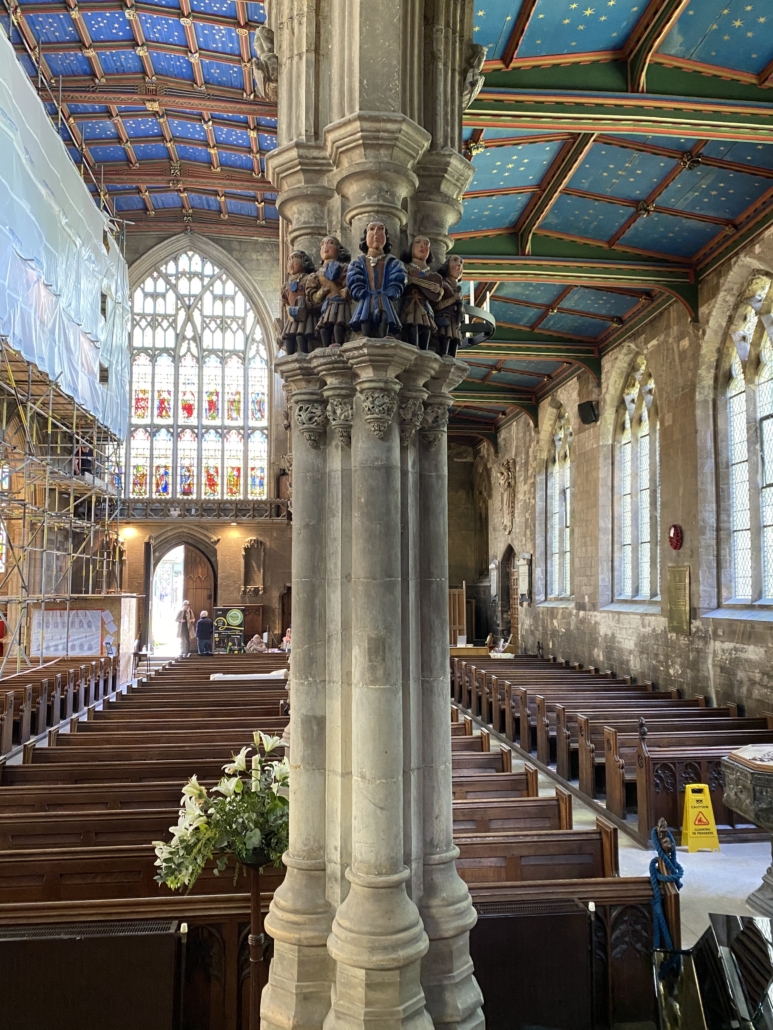
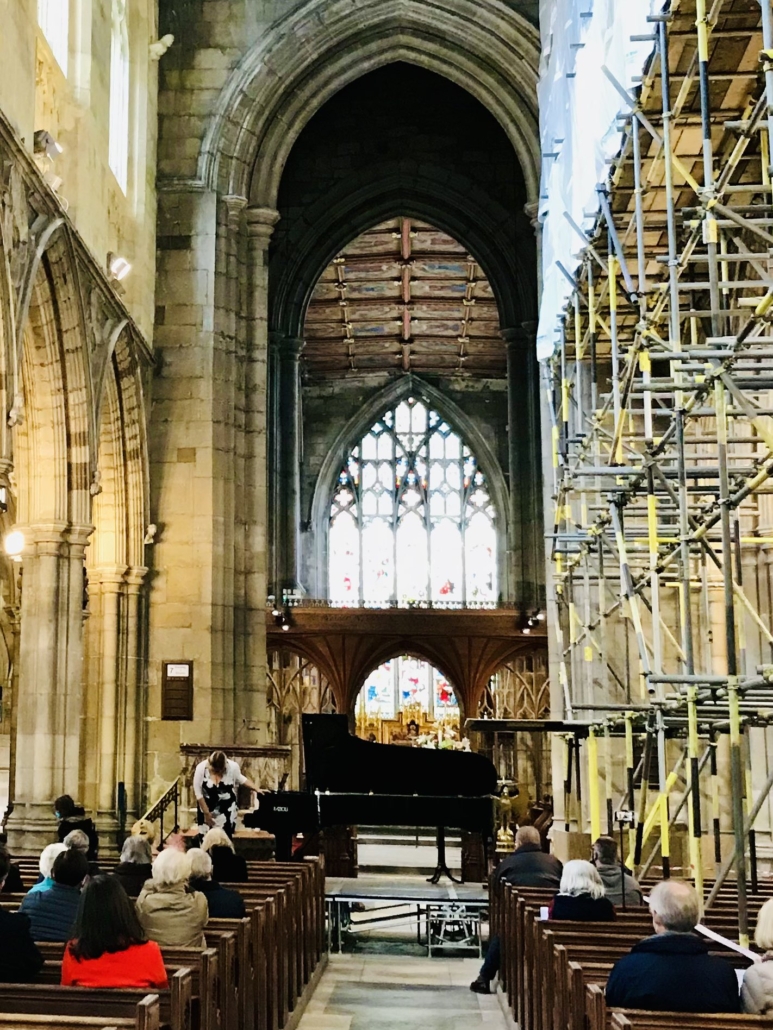
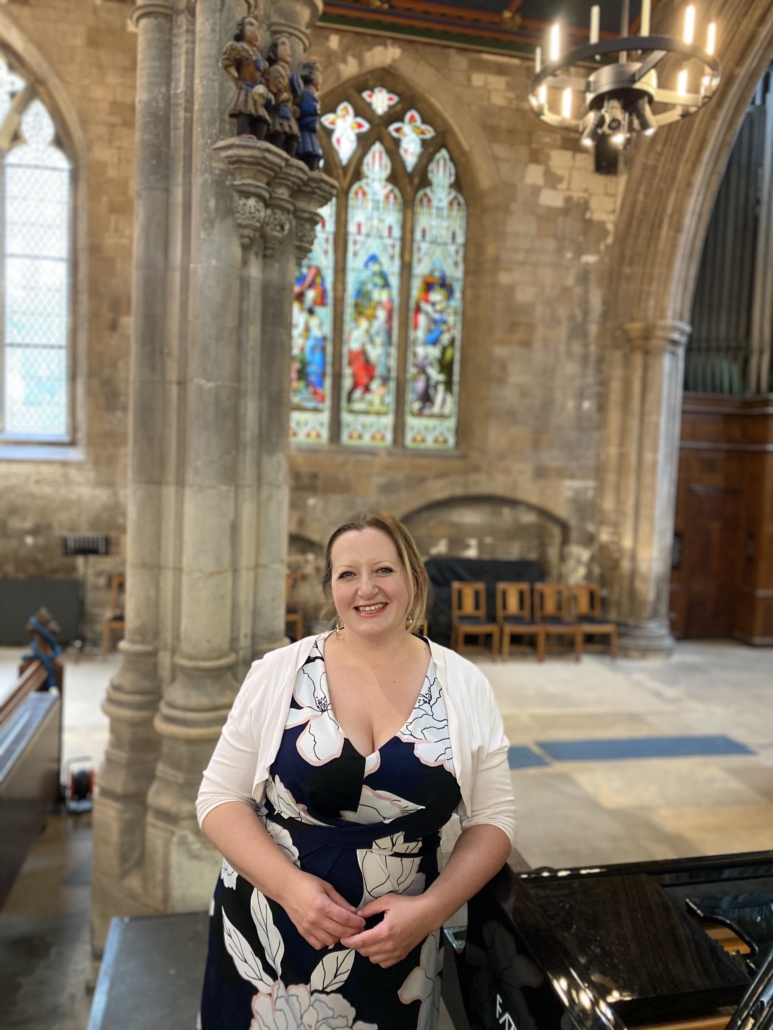
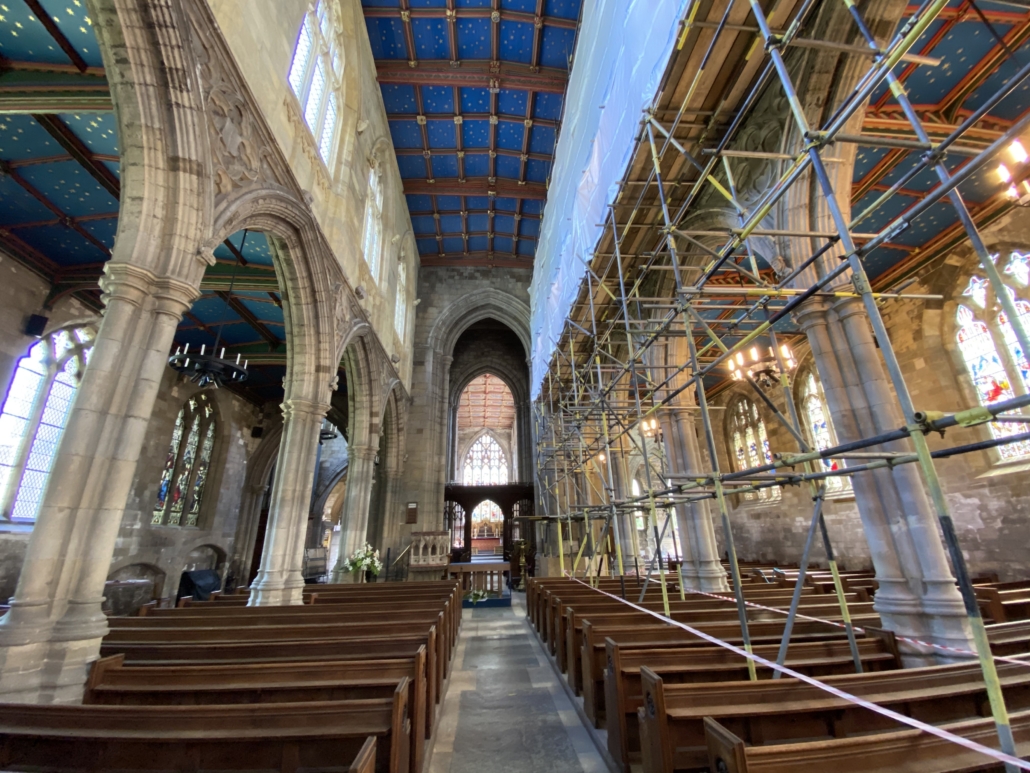
St Mary’s is a stunning building. I find myself glibly telling people this when speaking promotionally about events there. But it really is glorious. There is an elegance and a lightness about it. The detail of the windows, the height of the space, the beautiful starry ceiling. Such visual inspiration while I’m playing.
At the moment it has scaffolding inside, but that didn’t lessen the impact of the space, for me at least. And in fact there’s something wonderful about seeing a building being preserved for future centuries. The work that’s been done so far shows so much more detail in the stonework than I’ve ever seen before. (Disclaimer: my other half is running the development project there! I have zero objectivity on this topic.)
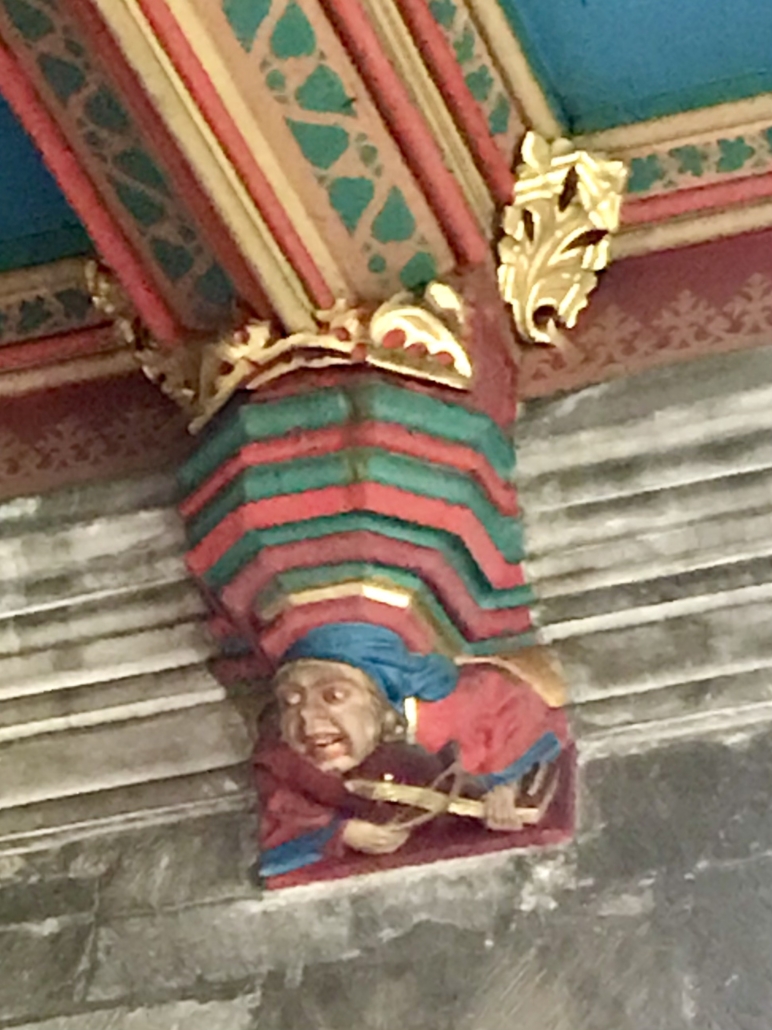
St Mary’s also has an array of musicians in the fabric of the building – musical roof bosses looking down on the choir vestry / green room, and fabulous 16th century minstrels looking down on the stage. I hope they enjoyed their burst of Bach this week.
Beverley itself is a very special town – bustling on market day, surprisingly quiet at other times, but with a vibrant community and ever growing population. I know and love the town, and live nearby, so deliberately chose to start the tour here. I have many happy memories of music-making in this building, and others in the town, courtesy of the New Paths festivals which I direct in Beverley – it’s always great to play somewhere filled with positive associations! And it was so lovely to feel supported by the New Paths audience regulars who turned out, in some cases every day this week.
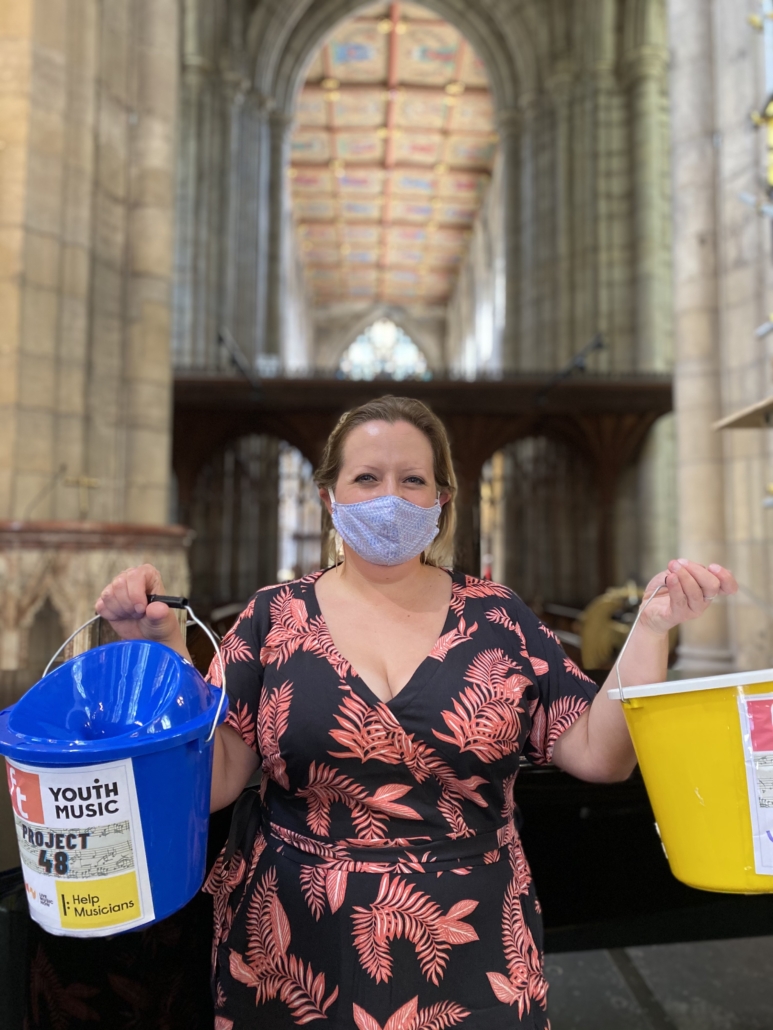
Every performance in Project 48 is designed to raise money for the project charities: in some cases that’s from ticket money, in other cases, as here, from donations. I had no idea of what to expect on this count in this first performance, but am absolutely thrilled that the East Riding of Yorkshire leg raised over £1,500 for the charities. Others will raise less, perhaps some more, but it will all count – and I feel so buoyed by such a strong start to the fundraising. (Yes, you can still donate, here.)
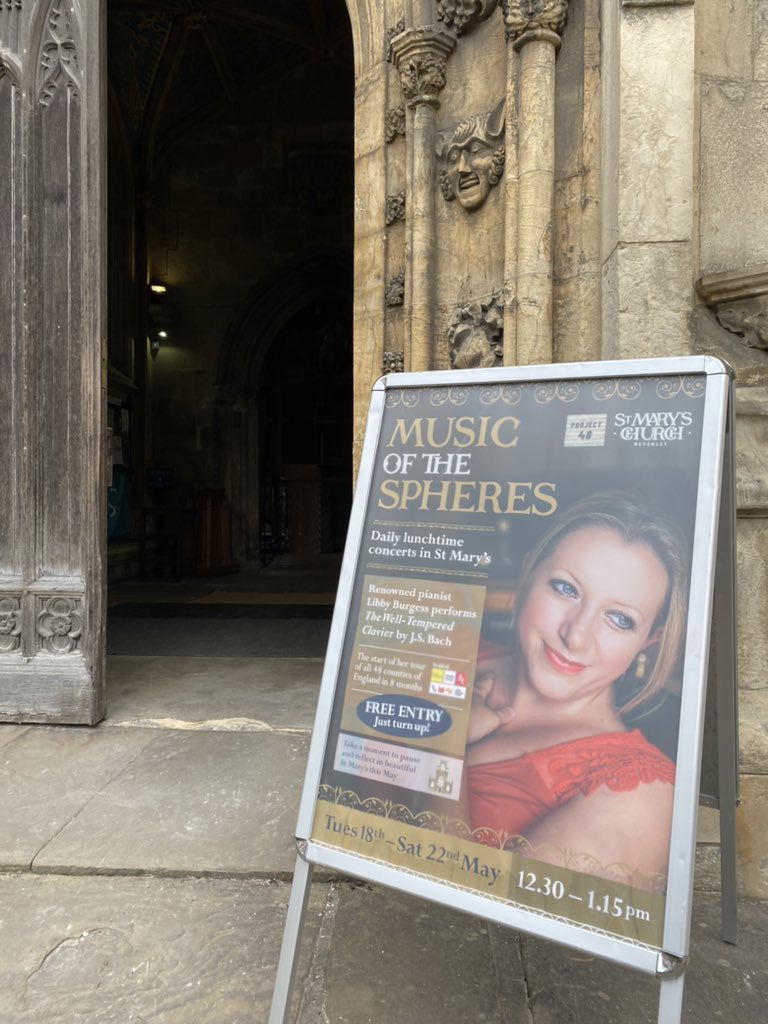
The total amount of music only just fitted into the format we’d created for this week (5 x 45 minute performances). Well, it didn’t quite fit, actually. I overran most days – but warned people and gave them full permission to leave if they had parking/bus/lunch/Bach-overload issues. Because I was conscious of the time, I restricted how much I spoke to the audience. There is SO much to be said about this music, and I’m looking forward to the counties where the format allows for more space to talk – some have a lecture-recital approach. But on the other hand there’s something quite liberating about letting the music speak for itself. I reflected one day on how appropriate this building felt for this music: that the architects and stonemasons knew how to use proportion and balance and maths to create something astonishingly beautiful, just as Bach used the strict rules of counterpoint, and the intellectual challenge of that, to create something powerfully emotional. It’s a pretty philosophical experience, this music: it felt appropriate that I’ve been reading Pascal Mercier’s The Night Train to Lisbon this week, a particularly philosophical novel! On the final day Roland explained to the audience the church’s titling of the concerts, ‘Music of the Spheres’: that Pythagoras, who coined the phrase, similarly knew that music held special mathematical properties – but that above all he valued music as medicine.
Some questions I was asked repeatedly this week:
1) Q: How did you form the groups of music for each day?
A: There was no real logic! I tried to ensure there was variety each day, of mood, tempo, and length (there are several particularly epic fugues, for example, which need to be spread out, and in any group you have to choose what the emotional high and low points will be, so there’s a structure to the set). I mostly created sequences that flowed harmonically with related keys, though with the occasional wild shift that I quite enjoyed – and which one discerning audience member commented on!
2) Q: How does the iPad work?
A: I use a pedal (ah! That’s what the blue flashing light is, people exclaim), which is connected to my iPad by bluetooth. When I tap the pedal, the page turns on the screen. Many people were using this technology pre-pandemic, but others, like me, have only moved to it now because social distancing has forbidden human pageturners! The setup is also useful for this project, as you can rearrange the order of your pages with a few swipes and clicks: given that I’m playing the music in different sequences in different places, this saves on lots of photocopies and post-it notes. I also love that fact that, without rustling pages to turn, you can really hold a powerful silence between pieces. In general, I’ve been reminded afresh of the joy of silences in music – the expectation in the silence when a roomful of people experiences it together. I am a complete convert to this technology, against my expectations, as I’m normally such a pen-and-paper person. However, my trusty Bärenreiter paper scores were in my bag for every concert…. just in case!
One of the radio interviews I did in advance of starting this week asked me ‘so, Beverley’s getting the first performance, but will it get the best?!’ At the time I slightly dodged the question, answering that one facet of the project I’m looking forward to is the way that every performance will feel distinct. True, but perhaps a politician’s answer. The honest answer, of course, is: probably not. Even without the first-performance-out-of-lockdown element, the first performance of anything is unlikely to be the best, and, living with the music so intensely over the coming months, I hope my ideas continue to grow and evolve and settle. In fact, I actively hope it’s not all downhill from here! But there are moments from the last few days that, for me, will remain deeply memorable. Although I played the music ‘out of order’, I decided to start at the beginning, with the Book 1 C major. The intensity of people’s listening in these first moments of music was so powerful. When I spoke after that prelude and fugue, to welcome people, I completely choked up commenting on what a special thing it is to share live music again!
Other things to remember. A covid era story – John Tordoff, one of the finest piano tuners in the north, was all set to tune the piano during the week. But a covid case in his child’s class at school necessitated the child isolating at home… which presents a childcare difficulty when you have to leave the house to do your job! A domestic juggling act somehow occured and John was to be found tuning various pianos across Yorkshire in the small hours of the mornings this week – including this one. Thank you John.
On day 4 I was in danger of being late for the performance, because the cows on the Westwood (the town’s pastureland) were crossing the road. It’s a common occurrence in Beverley, and traffic has no option but to give way to the cattle. Sometimes, once one cow decides the grass is greener on the other side, hundreds follow. It’s a delightful feature of Beverley life. Thankfully a gap in the cow parade occurred and I was on site on time. Just. (The cows made national news last week for roaming further in the town than they’re meant to…)
St Mary’s found itself at the heart of a media storm during the week that I was there: as part of their heritage and restoration project they have a fantastic project to install some new carvings of inspirational women, celebrating equality and diversity and use of talent – a proposal that’s just been approved by the relevant diocesan authorities. The first corner of the media to get hold of the news, however, doesn’t take kindly to celebrating things like equality and diversity, and some pretty hateful and threatening messages were circulating online during the week. The other end of the media spectrum descended, to portray the story in a positive light. Phone interviews with journalists were going on in the porch, and TV cameras just about avoided concert audiences. In the background of the BBC Look North coverage of this story is the hire piano in place! Thank you to Becky Lumley, the vicar, for making me welcome despite all of this, and to my Roland for organising these first performances so beautifully, running them on the day whilst juggling a flurry of media demands. Thank you also to the church welcomers for taking on the responsibility of checking-in whole audiences whilst only just getting back into the rhythm of doing any stewarding at all, and to Lavinia for the gorgeous flowers.
The weather this week has been really grim. Occasional sunshine first thing in the mornings has turned without fail to grey skies and heavy rain. It really drummed on the roof some days. I enjoyed Susie Dent’s feature on Radio 4 this weekend about different words for rain. Very apt.
Today, the day after finishing, I woke up at 4am, head filled with counterpoint, and heart filled with contentment. 1 down, 47 to go. But I’m glad I have a moment to nurture the memories of the first one before moving on.
- County
East Riding of Yorkshire
- Town
Beverley – the county town, a thriving, characterful, quaint and beautiful market town, part medieval, part Georgian. These days often not known, as people don’t pass it on the way to other places – but once known it’s never forgotten. Glorious stone churches, cobbled streets, independent coffee shops, old fashioned tearooms, a vast and currently buttercup-coated pastureland with freely roaming cows ambling across the road. Digging under the surface, it becomes apparent that historically the town was greatly significant and well-connected, to the major universities and cultural centres, and with trading routes across Europe. The town is seen in the area as ‘the posh town’, and is seen by visitors from the home counties as being refreshingly down to earth. Both have some truth.
- Venue
St Mary’s Church, Beverley – a medieval building, begun c.1120, much rebuilt in the 14th & 15th centuries, and often cited as one of the country’s most beautiful parish churches. A thriving, community-focused setup today, and a familiar, favourite concert venue for me.
- Audience size
c.450 across 5 days, pretty much the comfortable max with cautious social distancing
- Piano
Fazioli F278 (hired from Jaques Samuel Pianos, paid for by a generous sponsor). Extremely comfortable to play – a warm bath to be sunk into and enjoyed. A lightness to the touch but somehow without fear of skating over the keys.
- Dates
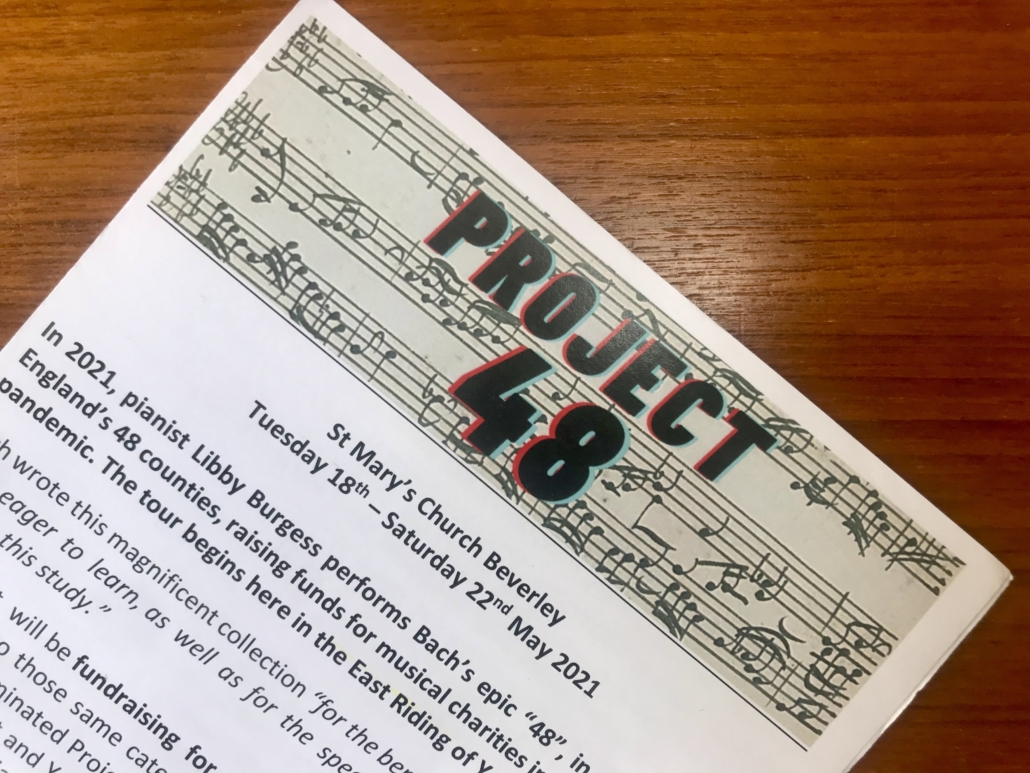
5 performances, 12:30pm-1:15pm daily Tuesday 18th – Saturday 22nd May 2021
- Extra events
None this time – it was too soon after the easing of lockdown to be able to plan any workshops etc. But I look forward to working with some of the area’s musical youngsters during New Paths instead!
- Favourite P&F
Several special moments, but on balance perhaps C major Bk 1, for being the very first moment of the project and the very first time I’d played to an audience for months.
- Amount raised for project charities
Over £1,500