Somerset: county 3

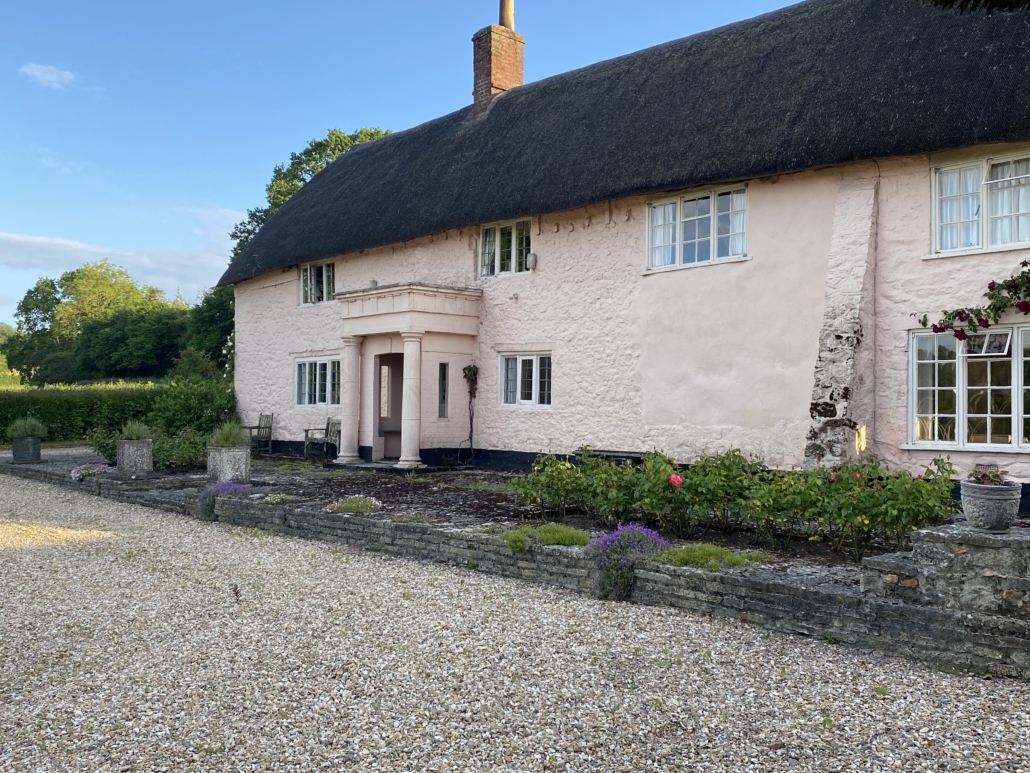
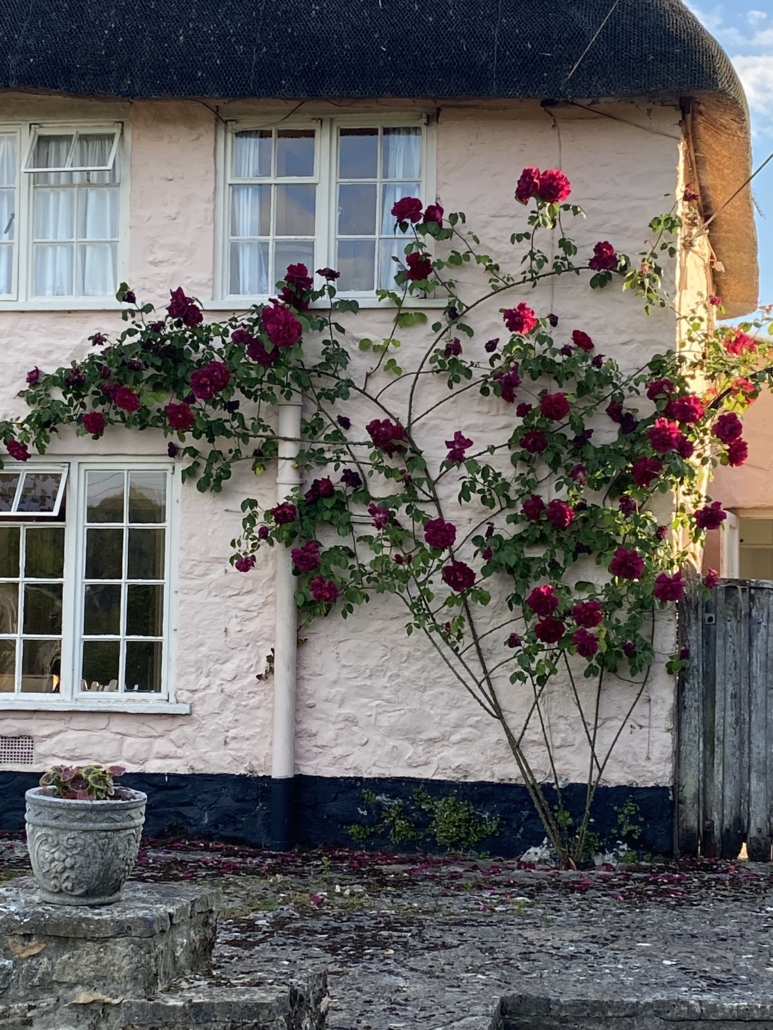
There are some places which are so special – personal, restorative, and filled with powerful memories – that it’s almost overwhelming returning to them after the year of loss, isolation and downright weirdness that we’ve all experienced. For me, Chaffcombe is such a place. A tiny hamlet nestled in the rolling Somerset countryside, this is real chocolate box territory: thatched cottages, grass growing down the middle of the lane, hazy summer sunshine. The Old Rectory is an idyll within an idyll – a pink-walled, rose-covered, fifteenth-century rambling, crooked house. Over the years this remote spot has become a haven for musicians and (lucky as I am) a bit of a second home for me.
Geraldine is a retired pianist and piano teacher, Neale is a passionate lifelong music-lover. And in fact, ‘passionate’ is pretty much the word for everything they do. Hosting, laughing, learning, driving, debating, imbibing, caring. The zest for life these two remarkable human beings display is inspiring and invigorating every time I’m there.
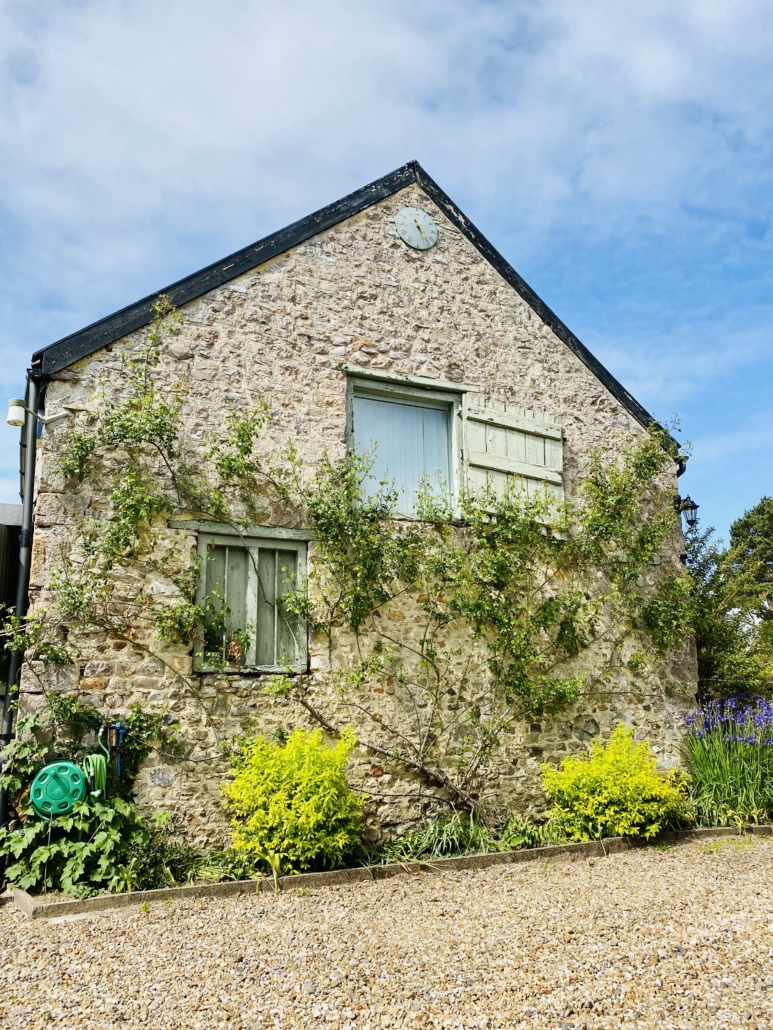
Twelve years ago I reconnected with Geraldine, with whom I’d formerly taught in Winchester, she as a longstanding member of the music department, I as a lowly music gap year student. In Somerset she introduced me to their beautiful home, complete with barn-turned-into-music-studio. “Do you think people might like to come and rehearse here sometimes?” she mused – “you know, get away from London, have some country air and good food and drink, and the chance to work on things?” Yes, I thought, I’m pretty certain many people would love to do exactly that. “They could even play through their music to the people from the village, as a low-key run-through…”
And so Music at the Old Rectory evolved over the years. I’ve lost count of the concerts I’ve done here, sometimes alone, sometimes with others. A whole network of lucky musicians have found excuses to need to work in Somerset for a few days, some introduced by me, others through other parts of Geraldine’s musical web. She’s played concerts here herself, CD recordings have been prepared, birthdays have been marked. Residential courses have developed, drawing in the whole village as hosts and audience (director Joe Austin and I ran one for singers; the Berkeley Ensemble runs a popular annual weekend for amateur chamber music players). The audience here is a wonderful mix: some villagers who never otherwise listen to music but love coming to things on the doorstep; some afficionados who make a point of catching things in this lovely setting; and whichever friends or family happen to be around at the time.
When I first had the idea a couple of years ago of doing something with the 48, it was here that I ran through Book 1 for the first time (and indeed, that was the only time I’d played it complete, until the project began a few weeks ago). And so it was always clear to me that Chaffcombe needed to feature on the project map!
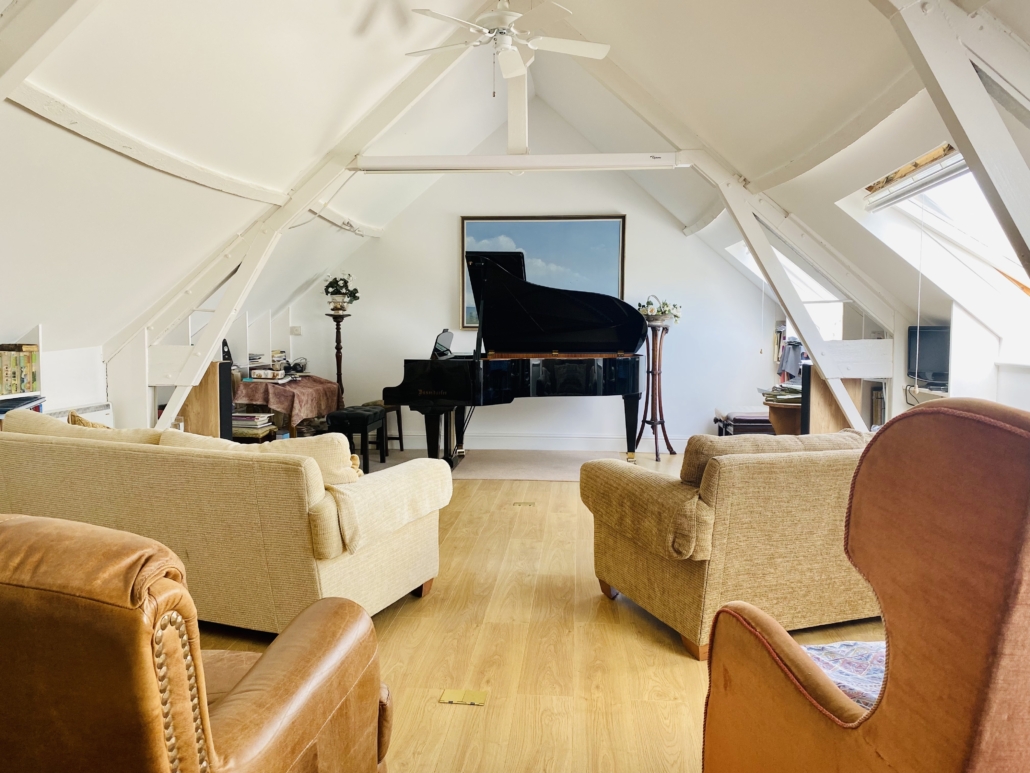
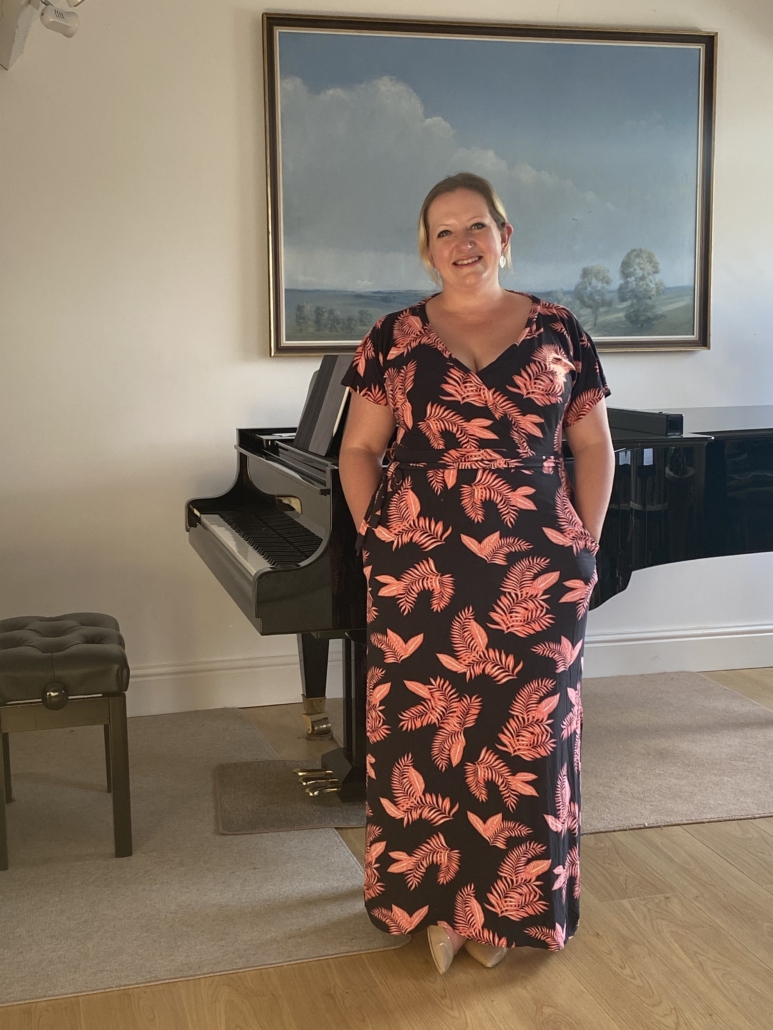
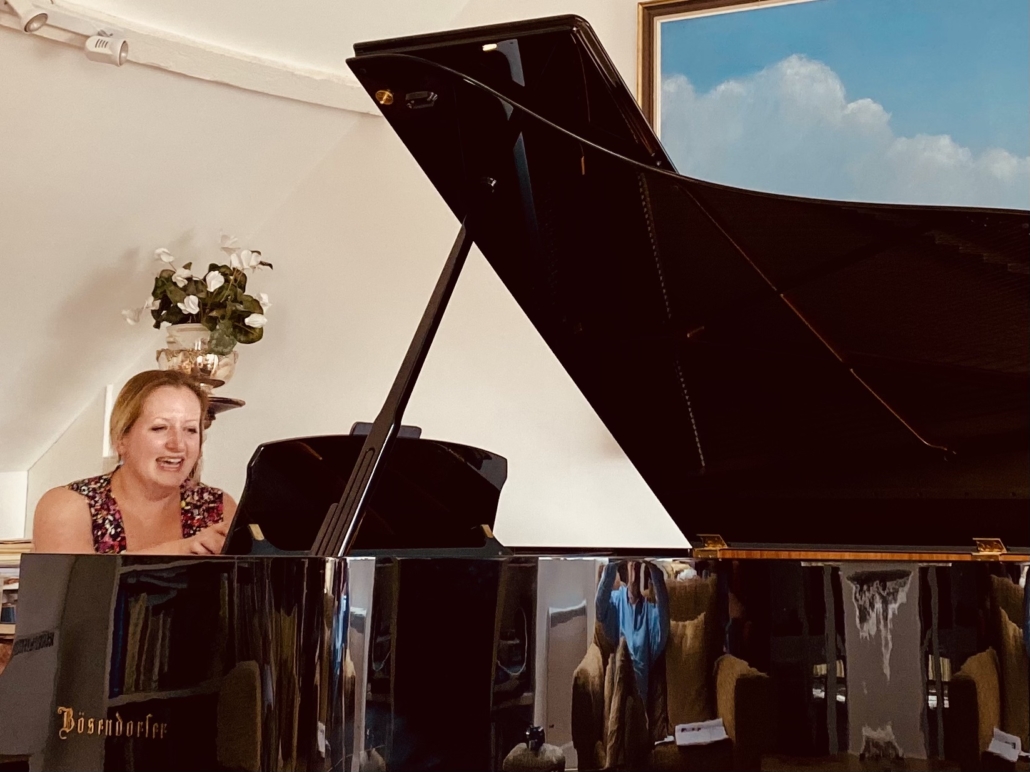
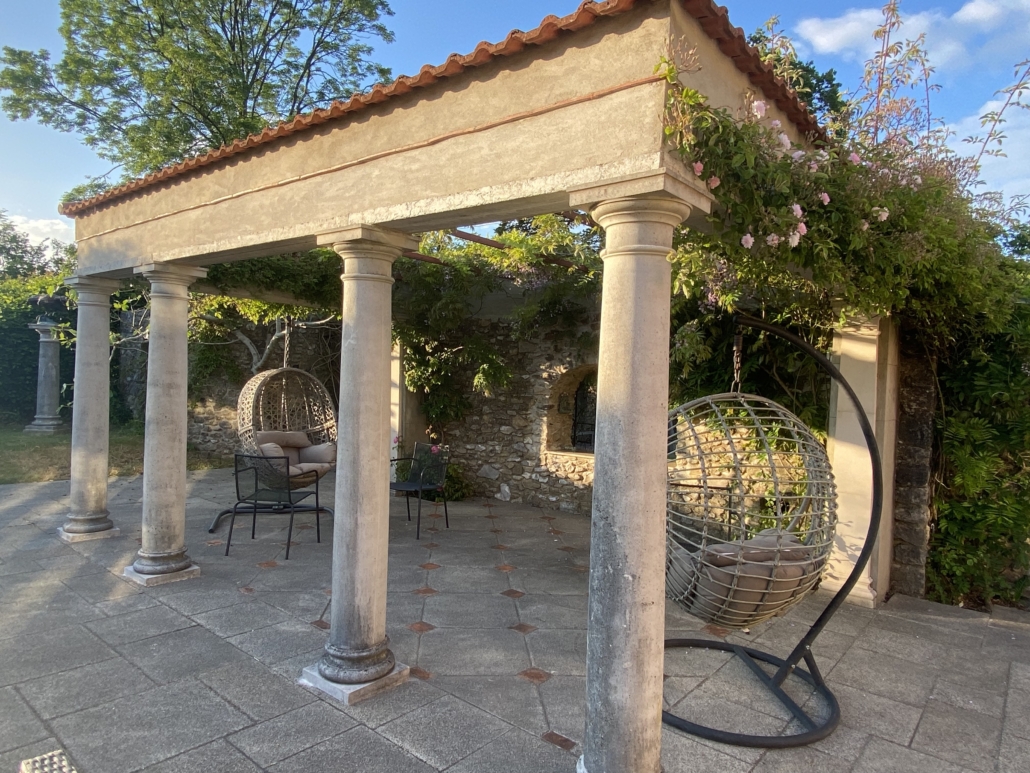
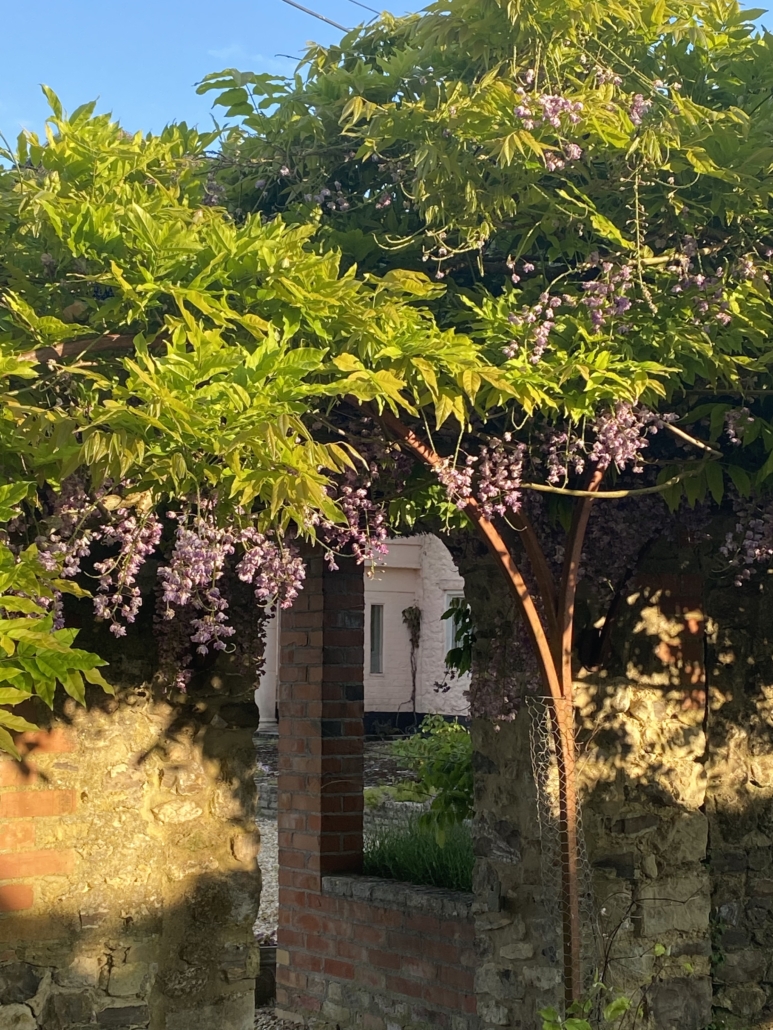
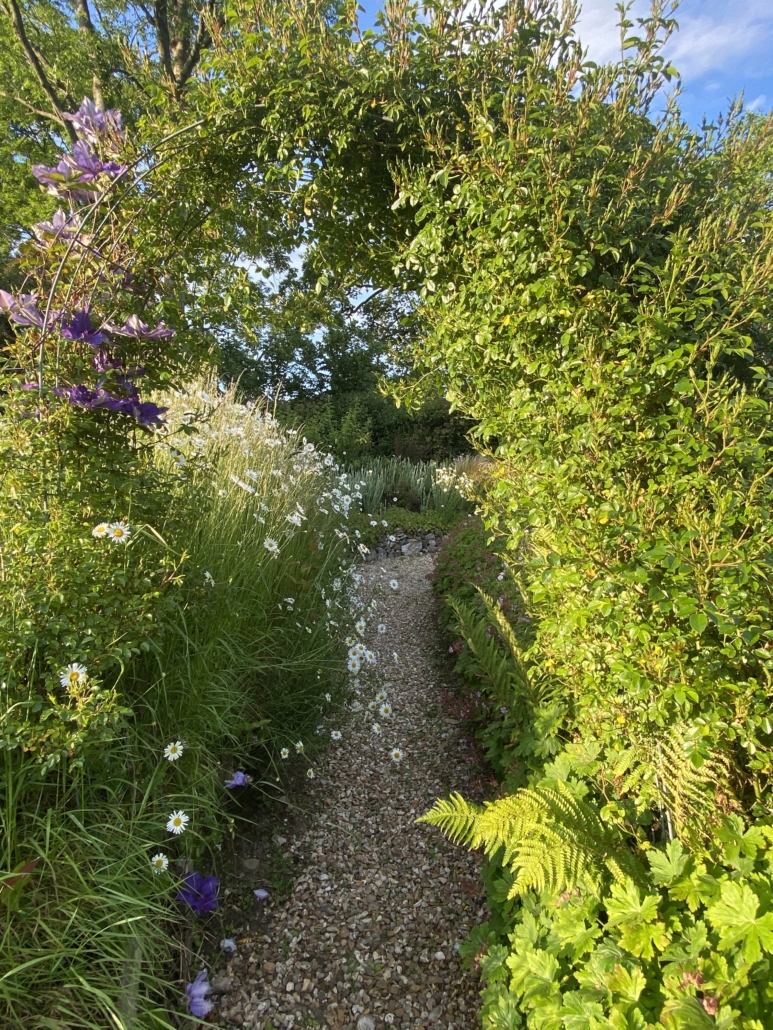
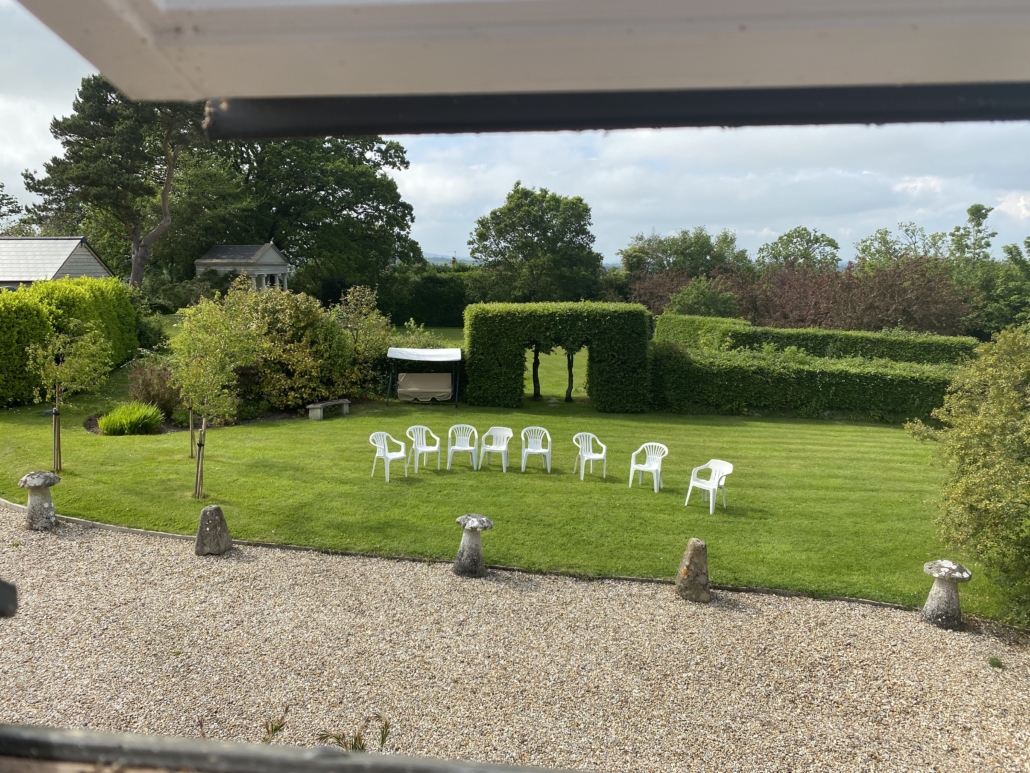
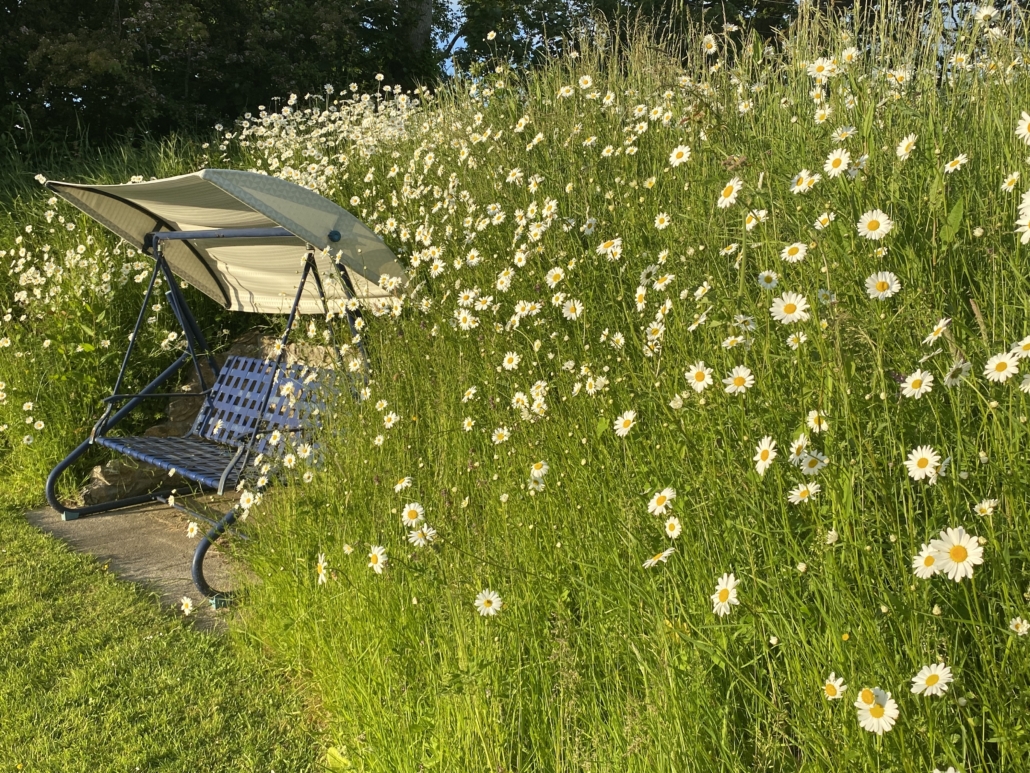
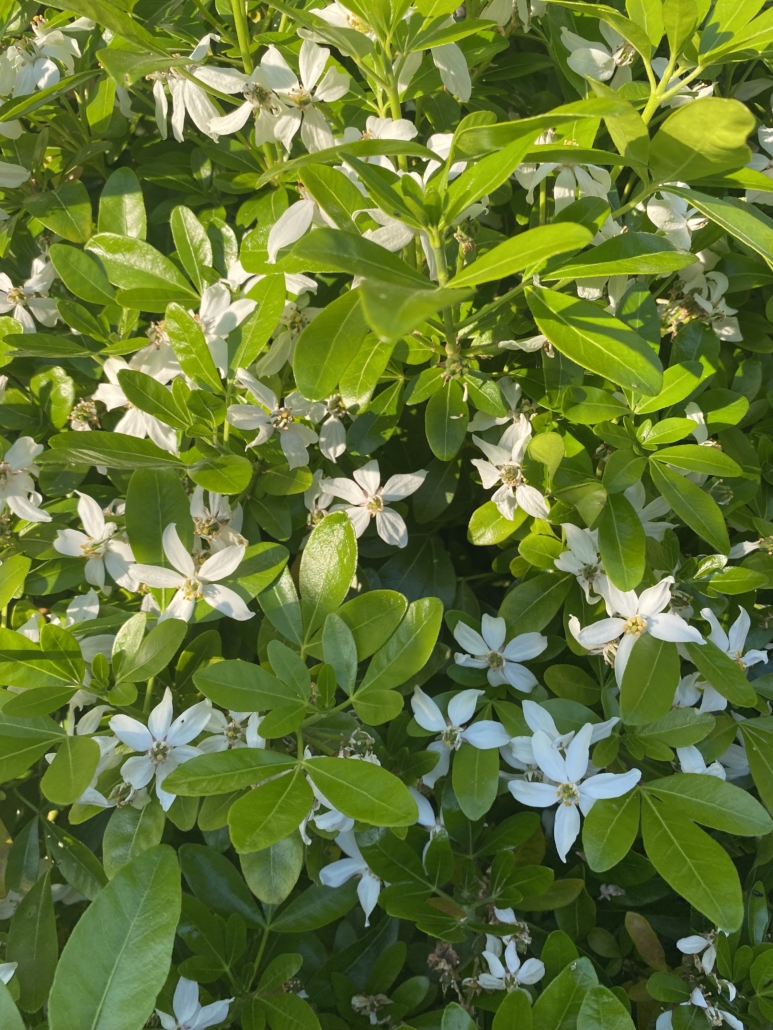
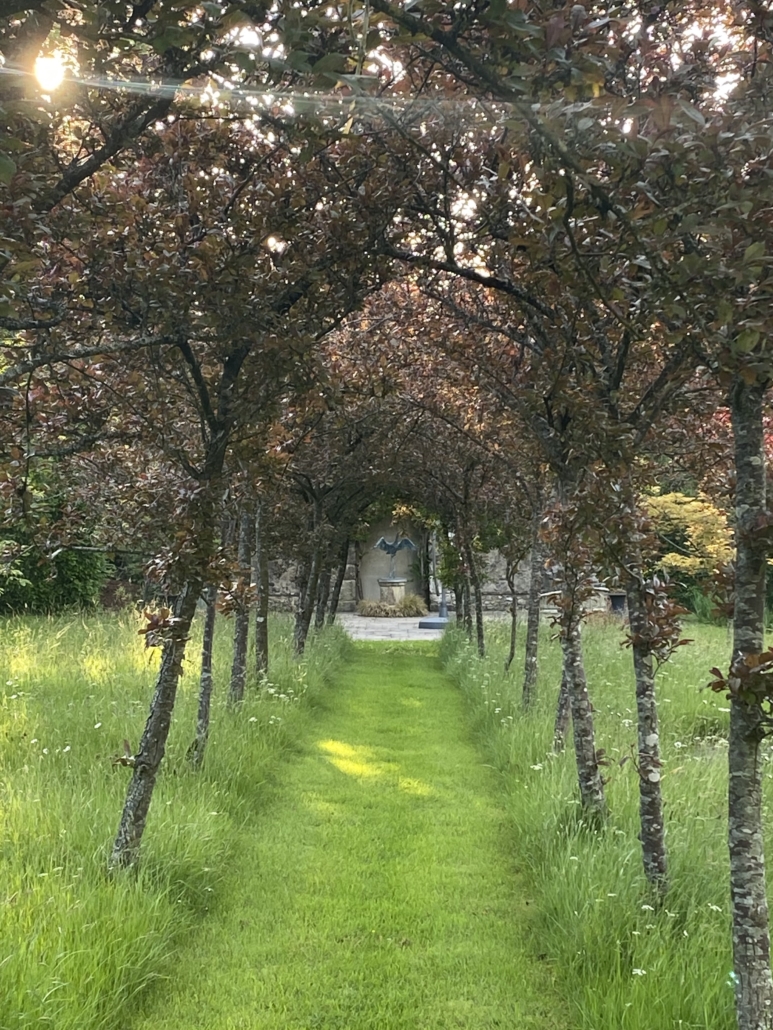
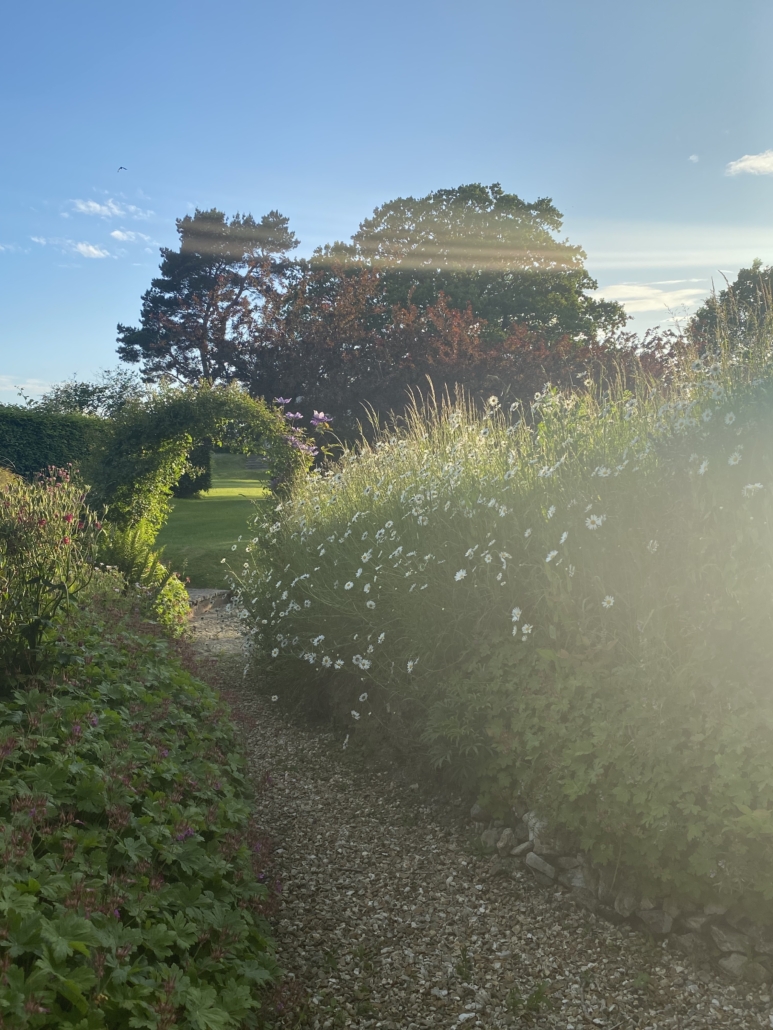
The converted barn is a beautiful rehearsal and performance space – but size is not its great asset. Added to that, being a domestic setting rather than a professionally-run venue, we felt the rule of six should apply, rather than any bigger audience. And so a beautiful format was born. I played Book 2 and split it into six segments. These were distributed across two days, each with a tiny audience inside, and an overflow audience on plastic chairs on the lawn, where the sound was astonishingly clear with the studio windows flung wide open. Between sections, people would rotate between lawn and studio, cups of tea and glasses of cool lemonade in hand. Visitors were free to wander the (sensationally beautiful) gardens – full of nooks and crannies, follies, swing seats, a pond, and an acropolis (where on other occasions concerts have taken place – but there’s no Bösendorfer there!).
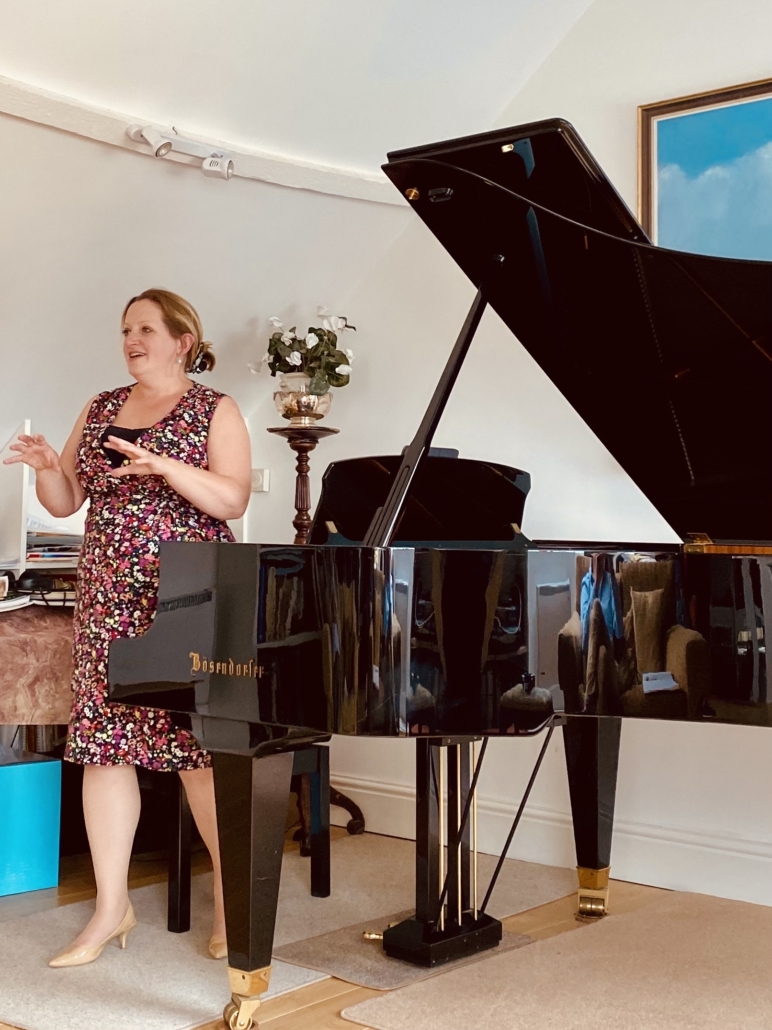
Inside, the informal atmosphere was delightful, audience in comfortable sofas and armchairs, and birdsong drifting in. At Geraldine and Neale’s suggestion, each section took the form of a mini lecture recital, so I gave a (relatively) detailed introduction to each set, looking at the jigsaw puzzle of Bach’s contrapuntal ideas – how he sets the tone of each prelude or fugue with his initial material, and how he develops that material to make a real journey each time; how he reintroduces his themes in double time or half time, or upside down, or all of the above at once; how he finds different moods and characters in each key. Neale commented afterwards that he’d never been so aware of the range of idioms that Bach explored in the set. Several people reflected that they’d enjoyed listening to the music all the more for having had details pointed out to them ahead of time. I too find that I hear or highlight particular things in different ways in light of what I’ve said. Playing the music in these short chunks works so well: there’s so much detail in every page of music, and the time to digest and absorb is a real bonus.
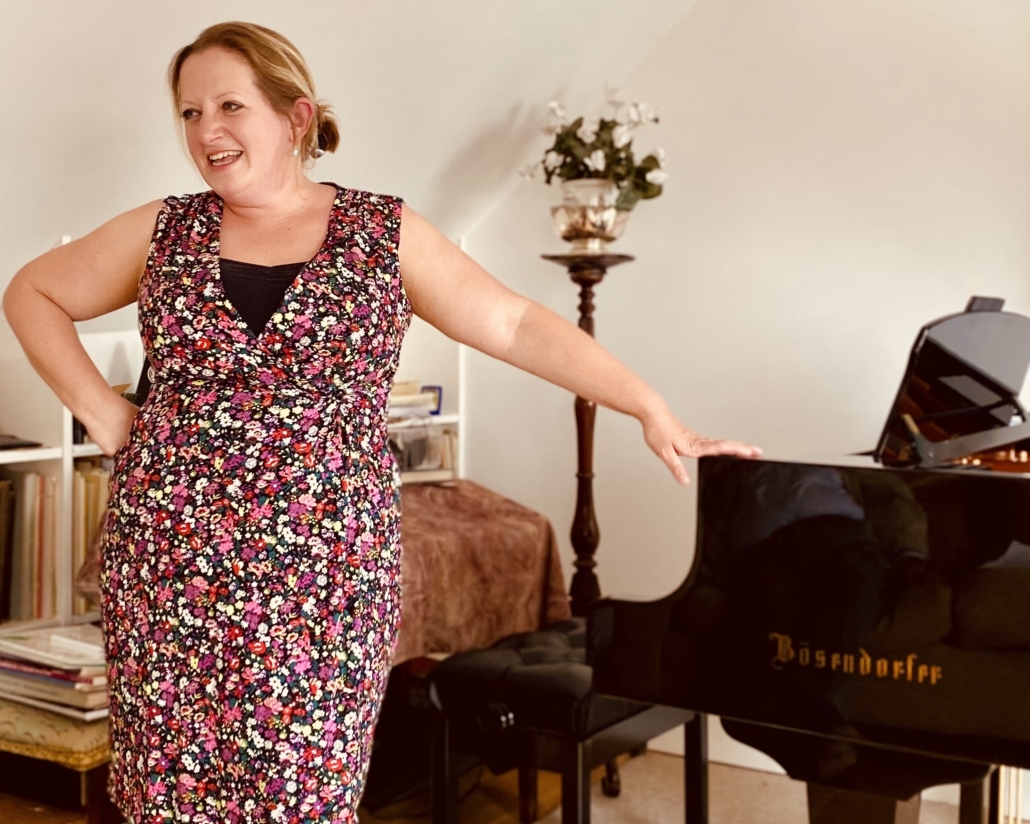
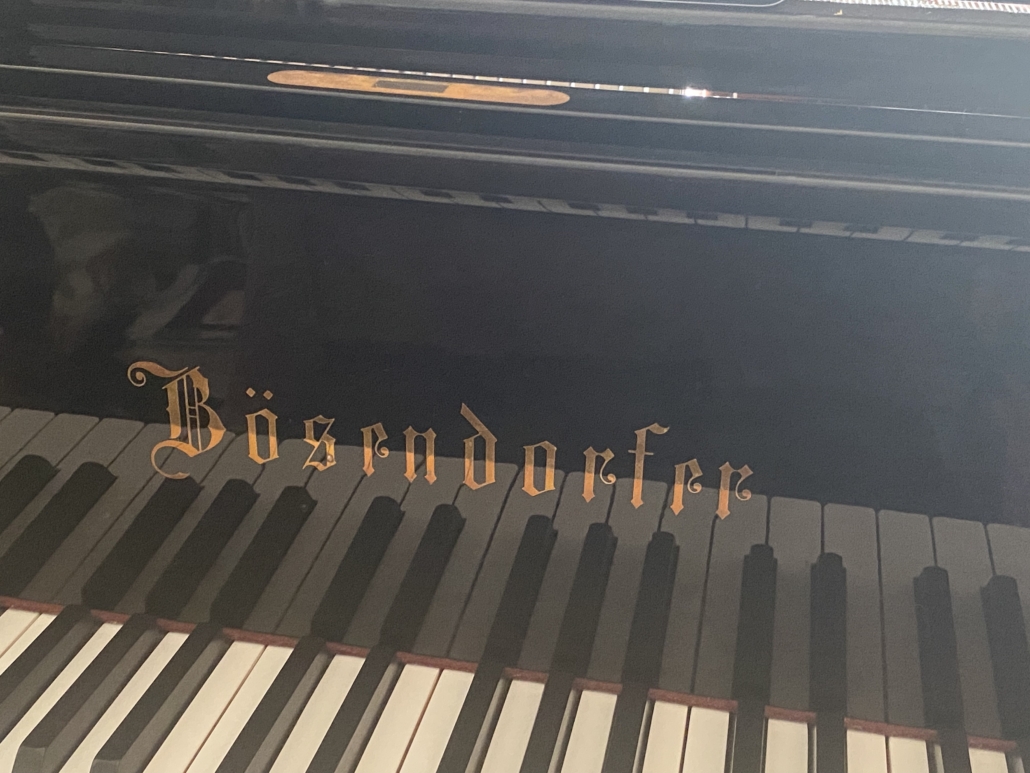
The piano here is an old friend: I practised as a student for my RAM final recital on it, I learned the music for the 2009 Wigmore Hall Song Competition on it (it did the trick – Marcus who I was playing for took first prize), I prepared on it for the first ever New Paths festival in 2016. I played one of my last concerts before lockdown here (Elgar’s Enigma Variations, piano solo!). It’s a large instrument, a Bösendorfer which Geraldine chose some fifteen years ago. She, like me, enjoys a piano you can really play into. It has a strong and direct sound – immediate yet rounded. Neale unfailingly asks technical questions about how the instrument works, which I unfailingly don’t know the answer to. But then Neale unfailingly asks questions about everything, and that’s why his knowledge and enthusiasm are so vast.
Overhead is a landscape picture Neale painted, out of the window is green grass, distant hills on the horizon. And after the performances, a strong G&T appears as if by magic. And, to be accurate, perhaps not just the one…
The concerts here are always free to attend and always raise money for charity: over the years they’ve raised a great deal for Cancer Research, close to both of their hearts, and are always open to musicians suggesting other causes to support. For this small setup to raise a couple of hundred pounds for the project charities is fantastic – and this is only one half of this county’s performance. I’ll be back in Somerset on 5th October to play Book 1 at Monkton School, alongside some education work. Can’t wait. Meanwhile, thank you so much to these two wonderful people for such a special few days – nay, for everything.
- County
Somerset
- Village
Chaffcombe – a tiny hamlet nestled in the rolling hills between the A303 on the A30
- Venue
The studio at the Old Rectory – a converted barn in the grounds of the 15th century house
- Audience size
20ish, rotating inside and outside
- PianoBösendorfer
- Dates
9th & 10th June – Book 2 split across 6 sessions
- Extra events
The concerts took a lecture-recital format, so there was ten minutes of introduction for every twenty minutes of music.
- Favourite P&F
Close call between F minor and G minor fugues, but perhaps the prelude of F minor clinches it
- Amount raised for project charities
c.£200 – and this is only the first half of the Somerset leg