Berkshire: county 4
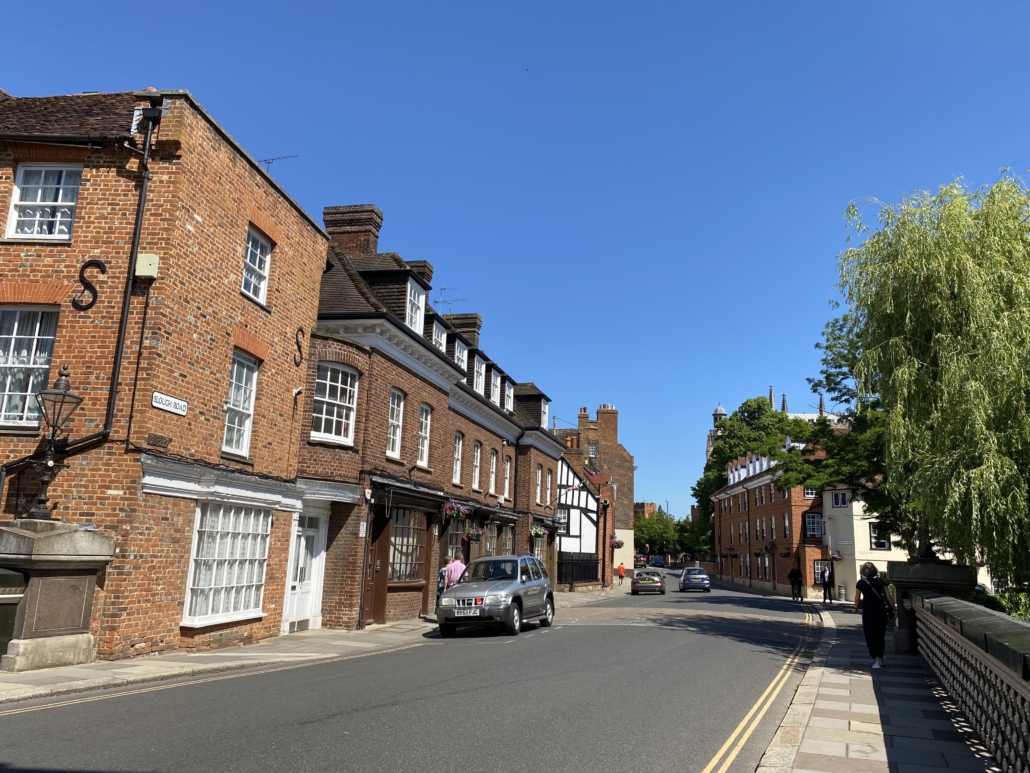
I had the good fortune to live in Windsor for several years, so stepping off the train at Windsor & Eton Central station on Friday was a bizarre experience: at once entirely familiar and discombobulatingly distant. Even more odd was the sensation arriving to rehearse at The Old Court, as this venue is less than a minute’s walk from where I used to live. The crashing of empty bottles into recycling bins from The Old Court’s predecessors used to be a nightly part of my home soundscape!
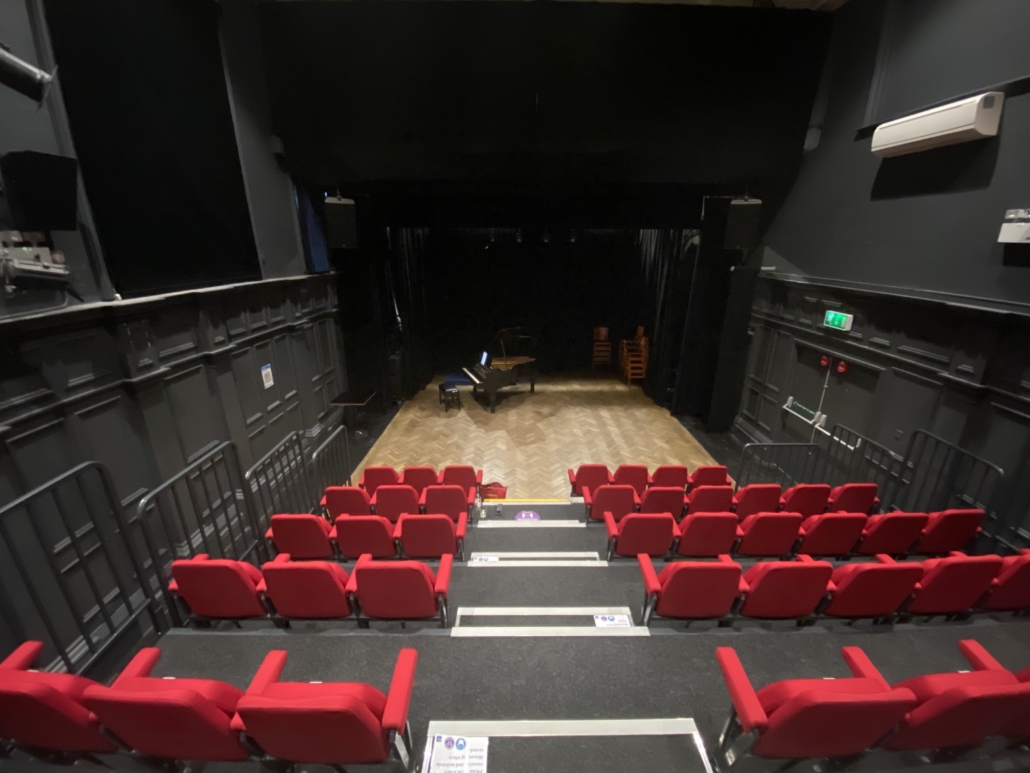
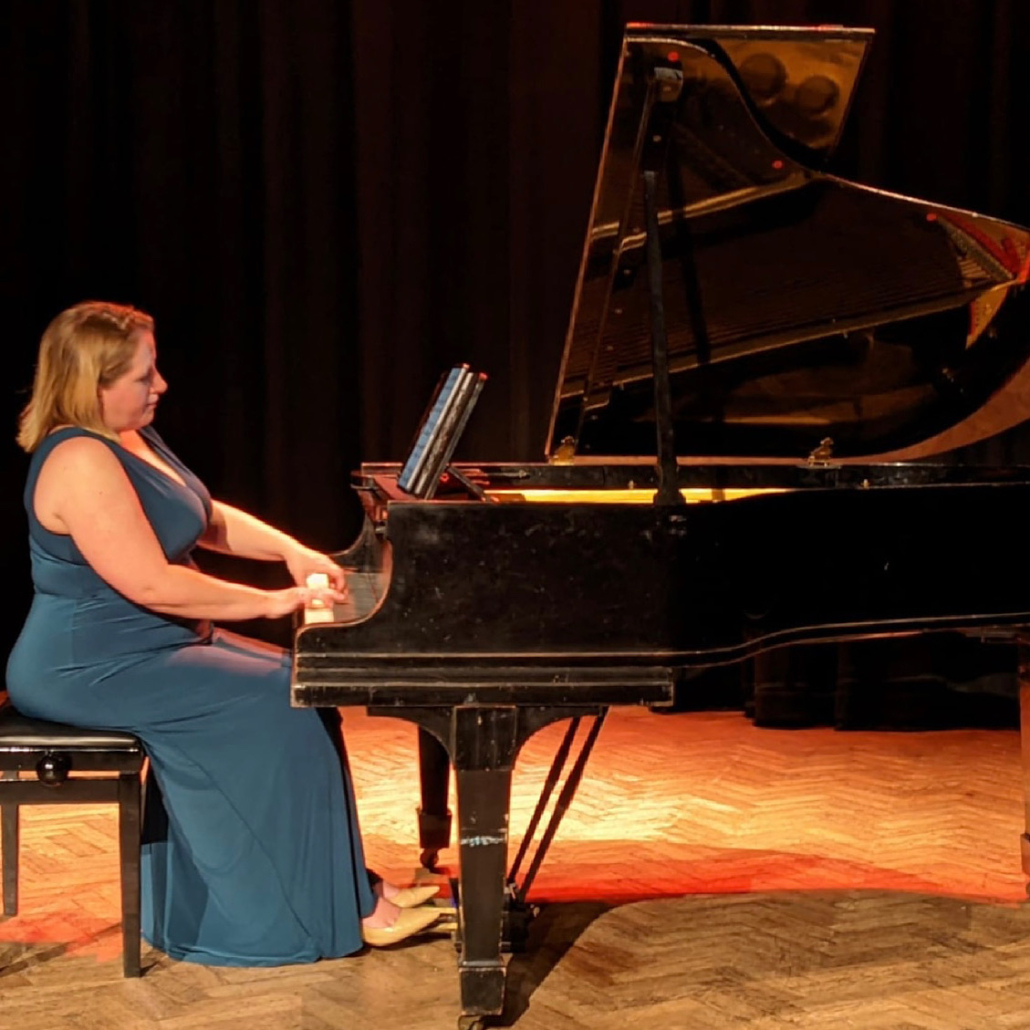
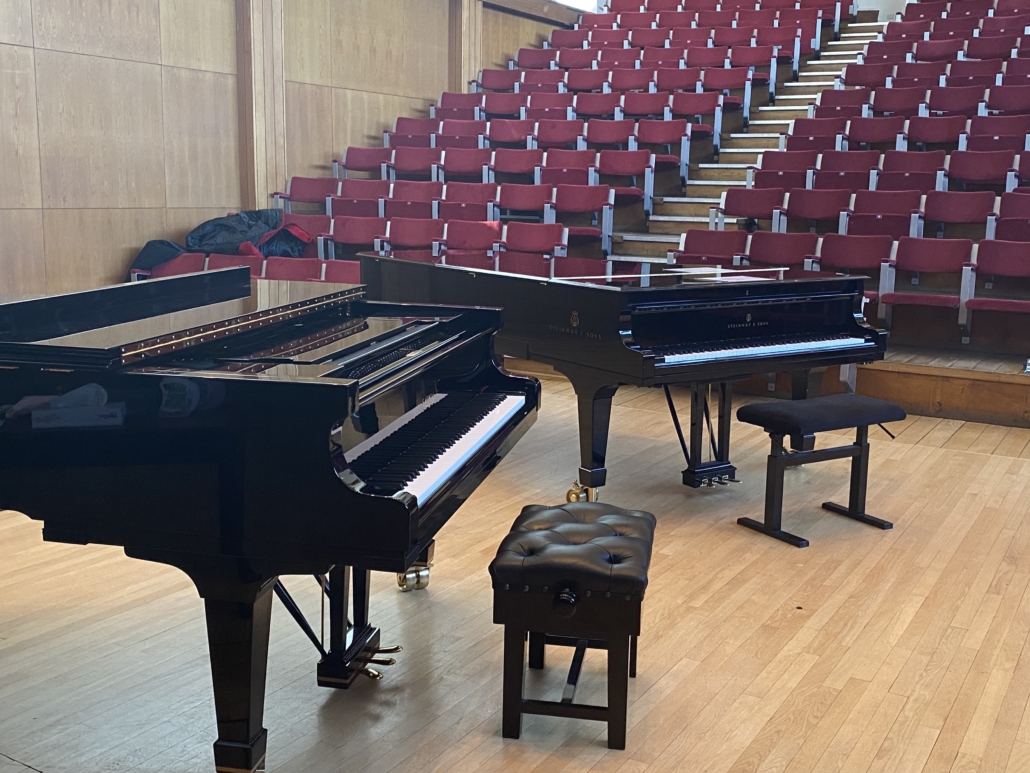
What is now The Old Court was taken over a few years ago by Martin Denny Management, who also run the prestigious Windsor Festival. It is a community arts space, with a busy programme ranging from art house cinema to salsa classes. The bar is run by the excellent Windsor and Eton brewery, and seems to be a popular meeting spot. And with the donation of an 1890s New York Steinway, they find themselves also able to host concerts.
Having spent the day on extremely disrupted trains up from Somerset, where I’d played the night before, I was not fully in the mood to rehearse, but, knowing that this was to be the first performance of Book 1 straight through in one concert (as opposed to split across events), and having been immersed in the other book in Chaffcombe across the previous days, I felt the most useful thing to do would be run the music complete. Judging the best use of rehearsal time, and pacing energy levels in the run-up to performance, is not always easy, but I was glad to run the whole thing – in part to get the feel of the piano, but also to remind myself of the shape of the set as a whole, and to remind my brain of the concentration needed to play right from beginning to end of this almost-two-hour continuous feast of detailed Bach.
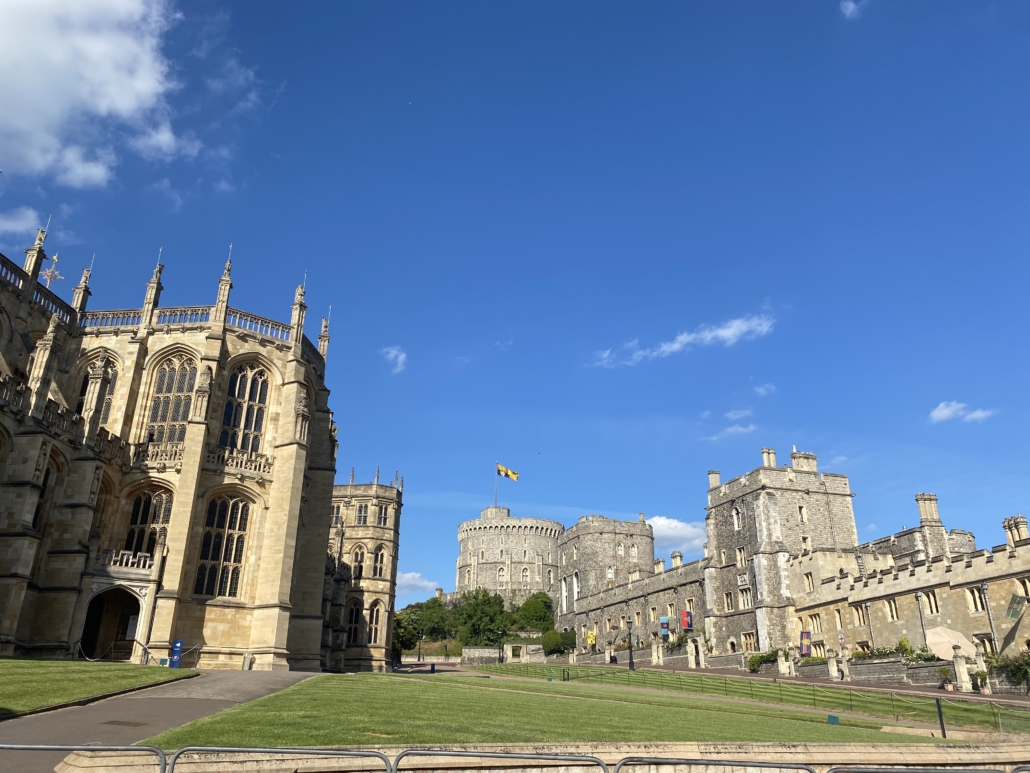
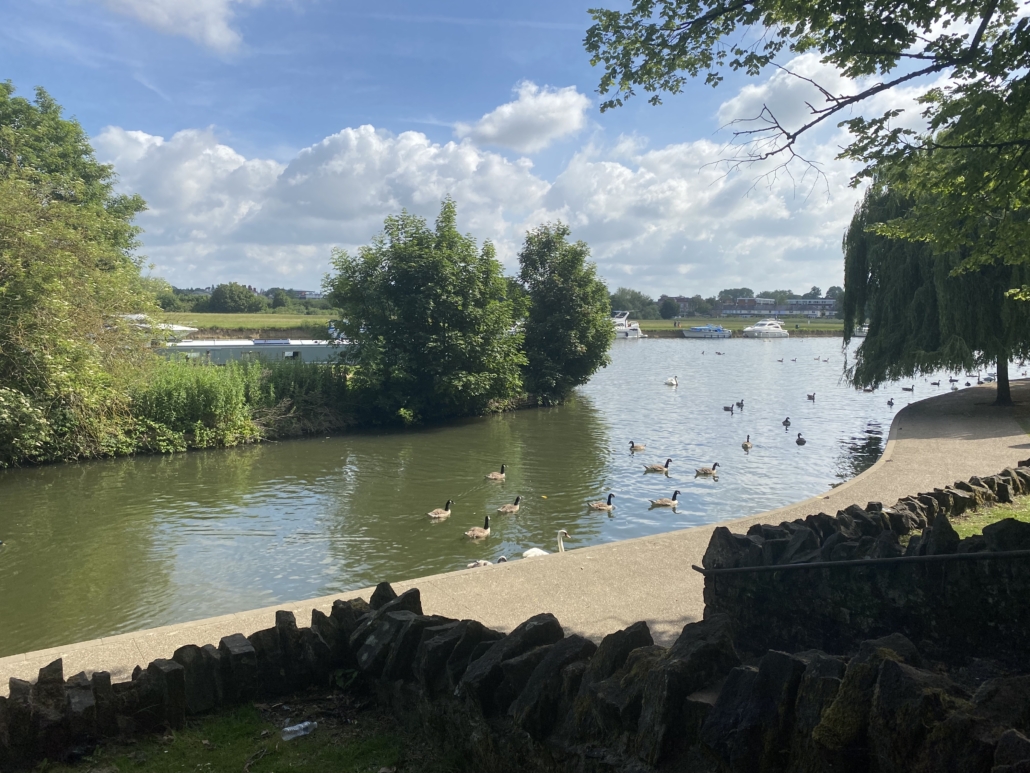
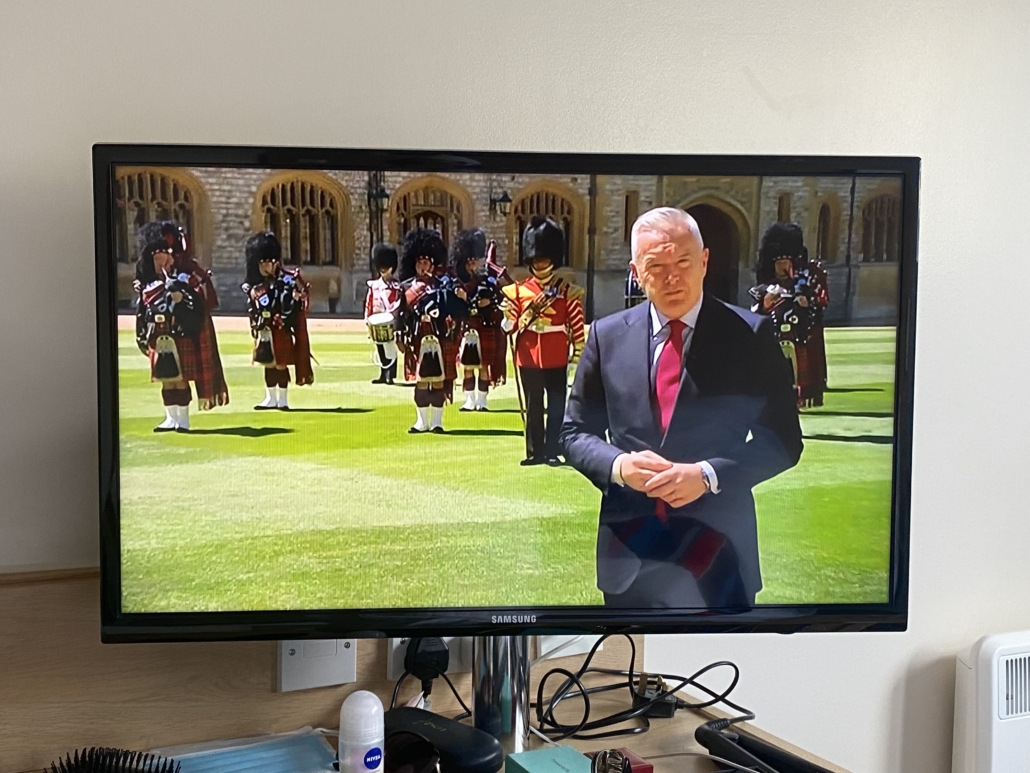
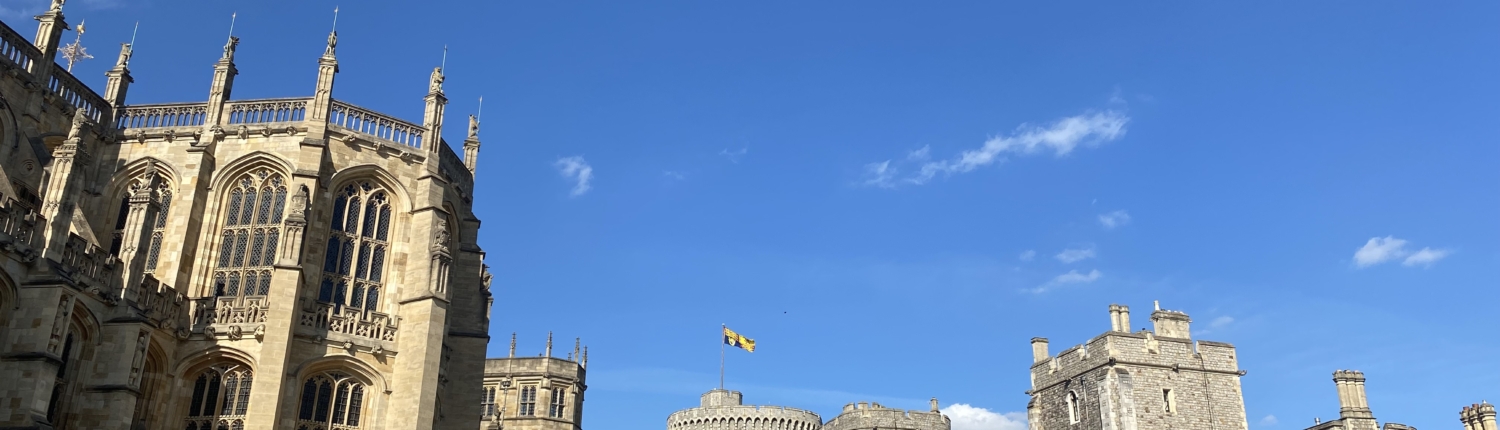
The advantage of having rehearsed in the evening (necessitated by scheduling at the venue) was that I had Saturday daytime free. I was woken up at 6.30am by the surreal sound of hundreds of horses trotting past outside (ah, yes, I groggily realised, Trooping of the Colour is in Windsor today), but was able to have a lazy day. Said ceremony I watched only on TV, apart from seeing the Red Arrows fly overhead in real life. I ran by the river in the morning. My dear friends Olly and Carris offered up their piano for some gentle practice during the day. And as they happen to be resident in Windsor Castle (courtesy of Olly’s job singing with the choir there), it was a pretty scenic place to rehearse. (I too used to be lucky enough to live there, so this was another nostalgia point. And the castle looked sensational – with the Queen’s Official Birthday on this day, and the visit of President Biden the next day, all the flags were out.) Carris and I walked their dog later that day in the rambling Home Park, stunning in the June sunshine. And then I headed off to get ready for Bach.
I was really touched by the willingness of friends to turn out for this one, despite it being a radiantly sunny Saturday evening. What I hadn’t clocked in advance was the ridiculous and wonderful array of choirs represented within the audience (a really nice thing, and also a slightly alarmingly well-informed bunch): friends who sing with the BBC Singers, St Paul’s Cathedral Choir, and of course St George’s Windsor; friends from amateur choirs I’ve conducted at different points (Reading Phoenix Choir, Oxford Bach Choir), directors of music at City churches and London chamber choirs…. Had we not been there for keyboard music, it would have been wonderful to get them all singing (had that been allowed… the current nonsensical restriction on amateur choral singing would have kiboshed this I suppose…).
It is an extraordinarily intense, intensive, immersive, philosophical, consuming, exhausting experience playing the whole of either book of this music. The only remotely comparable musical experience I’ve had is playing Winterreise – but that’s shorter (not something that’s often said of that cycle) and in a way (technically/cerebrally, though not emotionally) easier – and it’s also just less dense. Every prelude and fugue here is a separate intricate journey, as well as being part of a big whole voyage. And the final fugue of Book 1 is so conclusive, so profound in the way it battles through thorny difficulties and emerges, war-weary but triumphant, that it does feel like the end of an epic saga.
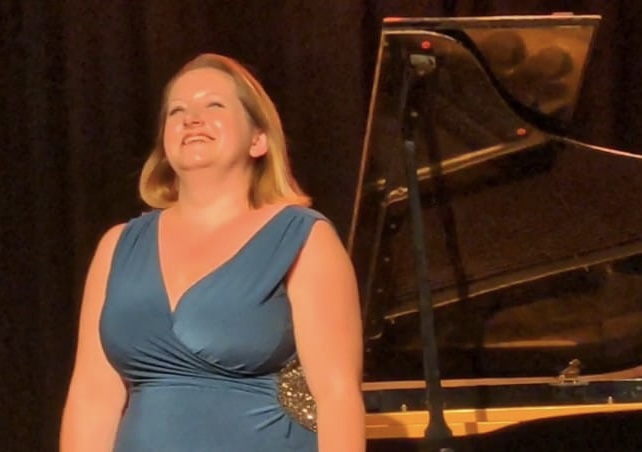
I don’t know that I did it justice this evening. I played considerably more wrong notes than in any other performance so far. And whilst it’s not about wrong notes (as I ALWAYS tell my students), I found them annoying and distracting tonight. But Bach’s music is, I think, greater than the sum of the notes, right or wrong. And whether or not he was prone to playing wrong notes himself (not something I know, actually – I’ll look into it), he must have had to put up with plenty of them around him! Because he, and his colleagues and students, like me, and my little audience in a little hall three centuries later, we’re all human. Even Bach. And that’s what binds us together in the shared experience of live music-making, however imperfect.
As I came off stage, Martin, holding the door for me, commented of the music – ‘It’s just the universe, really, isn’t it?’ Yes, exactly that.
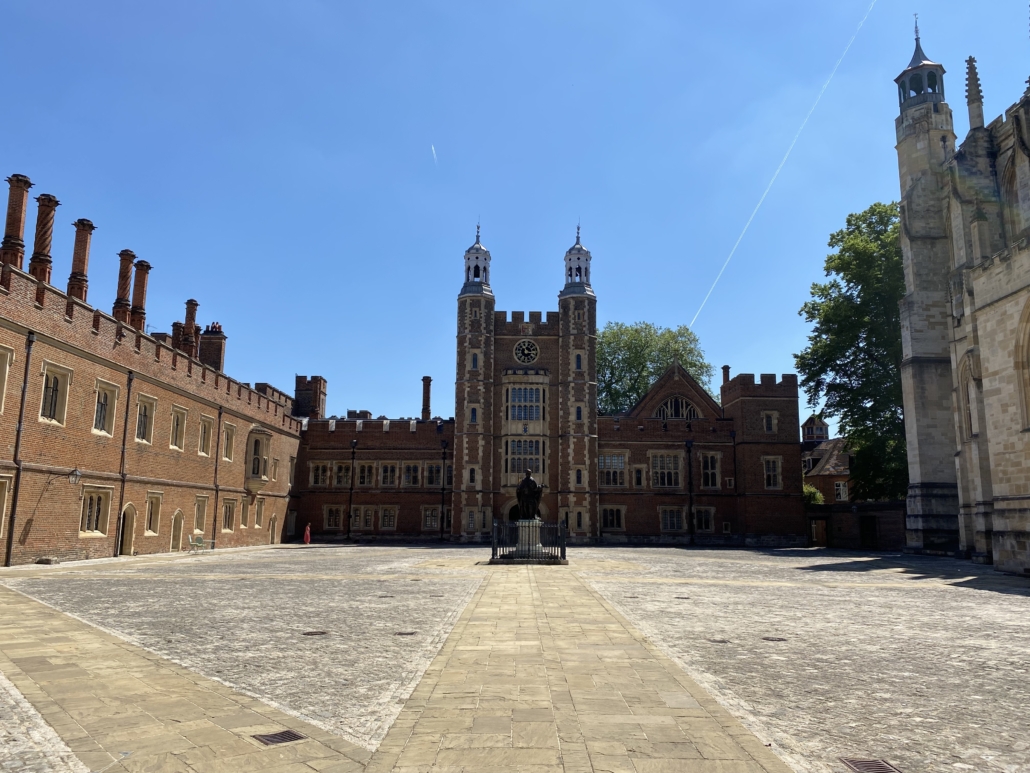
The next day I headed over the river to Eton. Shortly after leaving university I was asked to cover some teaching here for six weeks, and ended up staying for twelve years(!) – during which time I was also Head of Keyboard and In-House Accompanist at different points. Two years almost to the day since I left, it was lovely to bump into former colleagues before I’d even got as far as signing in – and to admire the veritable array of fancy coffee shops which have sprung up along the High Street since I was last there.
The day was hosted by the current (brilliant) Head of Piano, Gareth Owen, who had created a lovely shape to the afternoon: my performance of Book 2 was in three sections, interwoven with performances by the students, including a workshop with some of them. I really enjoyed hearing their playing – some of them relatively new to this contrapuntal style, some impressively assured with it. And it was fun to unpick some of the challenges of the style in the workshop session – voicing the subject, for example, each time it recurs, but also giving enough attention to the other parts that the dialogue is not lost; shaping by the harmonic progressions, the tension and release points; remembering to breathe and command a silence before starting.
It was a hot day in a hot hall (last summer I suppose I didn’t really do any concerts, with the pandemic, so it’s been two years since the slippy slidey sweaty fingers sensation – not something I’ve missed) – but there was a real focus in the room. Numbers were necessarily very curtailed, what with bubbling and strict restrictions on visitors, but I was so impressed by the concentration of the boys who were listening – following in the scores, absorbing everything, discovering this astonishing music.
Gareth initiated a Q&A session, with interested and interesting contributions from the boys – looking at the project, and what it’s like preparing so much music, but also more ideological questions (‘wouldn’t it all sound better on the harpsichord?’ – predictably (pace, harpsichordists), my answer was ‘no’!). Again several people commented how few of the preludes and fugues they know – so many people turn always to the same handful. Gareth spoke movingly of the power of this music and how we are transformed by living with it.
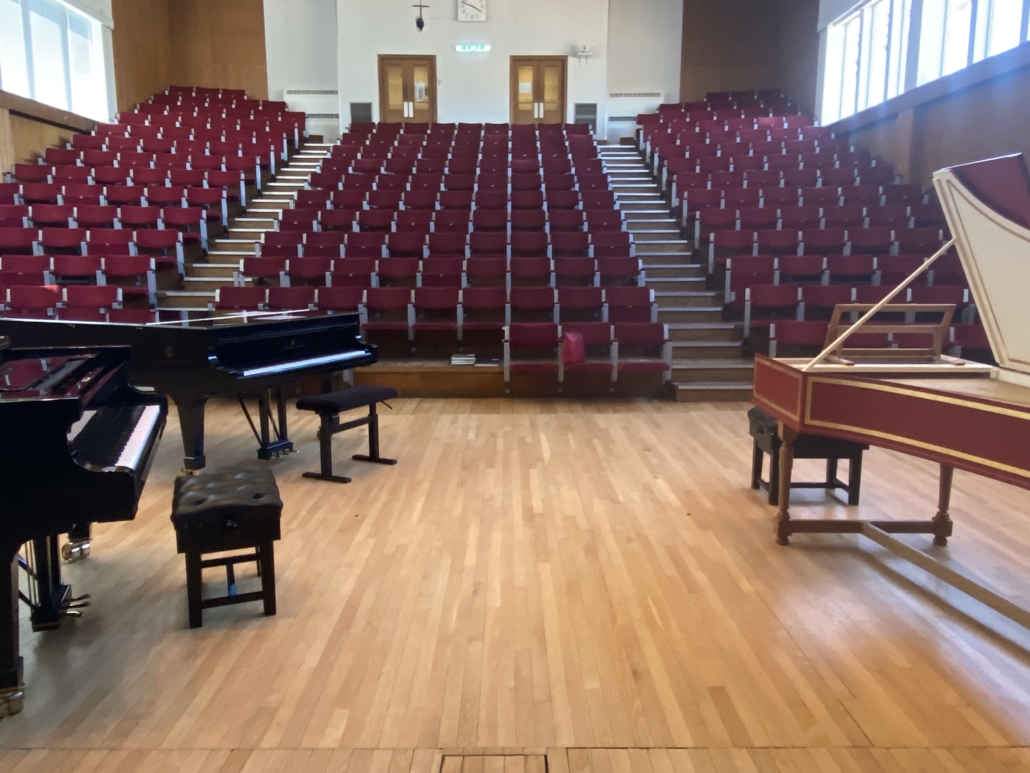
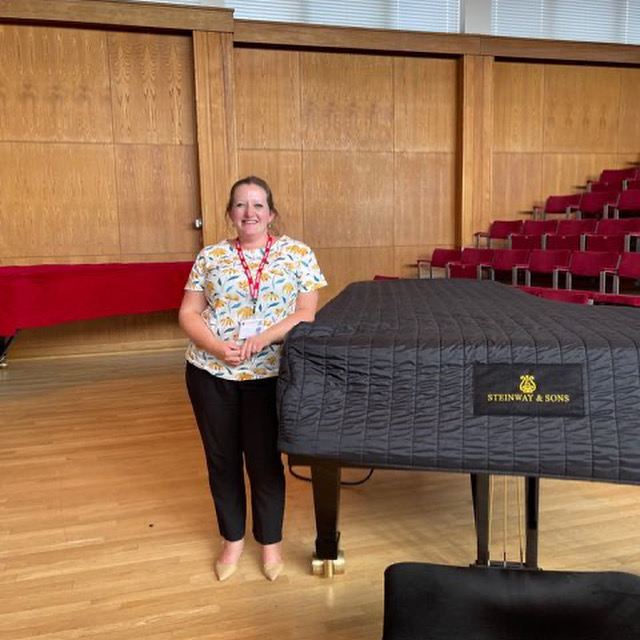
Currently Eton have both their Steinway D and Fazioli in this hall, as another hall is undergoing restoration. I was fortunate to be involved in choosing both of those instruments for the school during my time there, visiting the factories in Hamburg and Venice respectively. Today I performed on the Steinway, but played the Fazioli to demonstrate during the workshop. They are both wonderful instruments. What an astonishing resource for a school to have – and they’re made good use of, with several hundred piano students at any one time, several dozen of them working at diploma level and beyond.
After a year of playing hardly any pianos except my own, it’s been one of the joys (and challenges!) of the project so far, getting back into the habit of settling onto new instruments. In the same way as I always encourage singers to sing with their own voice, rather than trying to manufacture something that sounds like someone else, I try (when I’m doing it right!) to work with the sound and character of each piano – rather than battling to make it sound like something it’s not. It’s easier on some instruments than others! Certainly the Eton Steinway is a joy.
Having spent all year desperate to get out and about on other pianos again, though, it will be nice now to have a few days back at home. It’s been a wonderful week, but it’s time for a little home cooking and proper unpacking of the suitcase. With my other hat on, our New Paths festival is looming, so I’ll be turning my attention to that for a couple of weeks. Stravinsky, Barber, Britten, Beach…. a different musical world! And I’ll let the dust settle on the Bach for a few days before resuming for North Yorkshire at the end of the month. But it will be good to pick up with it, for sure. It’s becoming a part of me. Til then…
- County
Berkshire
- Town
Windsor / Eton
- Venue
The Old Court (Windsor) – a community arts space, in a converted Edwardian firestation / magistrates court. A ‘black box’ theatre, with red raked seating and (courtesy of recent Arts Council funding) air conditioning. The Concert Hall (Eton) – the recital space within the music department, used for concerts, competitions, exams, masterclasses.
- Audience size
30ish in Windsor, 15ish in Eton (where only students taking part plus a handful of staff were allowed to attend with current restrictions)
- Piano
Old Steinway B (I think) in Windsor, new Steinway D in Eton
- Dates
Saturday 12th June evening in Windsor, Sunday 13th afternoon in Eton
- Extra events
Performance workshop on Bach preludes and fugues with Eton students
- Favourite P&F
Book 1 B minor – playing the book in order, this one takes on a particularly profound, conclusive role, coming right at the end of the set
- Amount raised for project charities
TBC