Charity profile: Youth Music

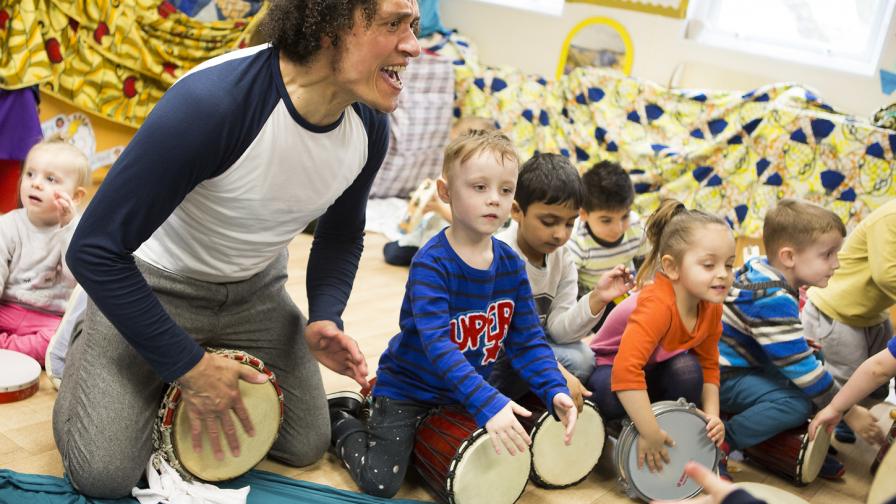
Youth Music works to break down barriers so that all children and young people are able to have musical lives. They give grants to other organisations – small charities, arts venues, music businesses, youth clubs, music education hubs, housing associations, nurseries and more – to run music-making projects for children and young people aged 0-25, or to create career progression opportunities in music, knowing that these opportunities allow youngsters to develop personally and socially as well as musically.
They work particularly with those who don’t get to make music, because of who they are, where they live, or what they’re going through, enabling those in challenging circumstances to transform their lives. Youth Music funds around 300 projects across the country every year, supporting more than 80,000 children and young people to make music, develop their skills, and progress on their chosen paths.
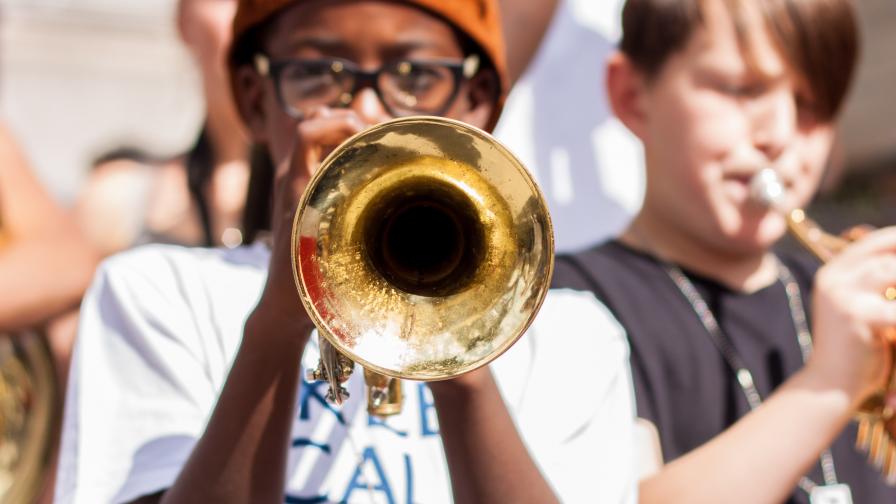

I’m conscious that it was sheer accident of birth that meant I grew up in a family where music surrounded me from a young age, and where there were the resources to support my musical activities as a child. I’m also conscious that for every young person who is on that gradually unfurling path – with a regular teacher, a supported practice routine, an instrument in the house, leading perhaps to a summer course, leading to a chance meeting, leading to a scholarship audition, leading to the next and the next and the next steps of educational and professional development, in turn opening a sequence of doors and connections and opportunities later in life – there are others whose circumstances are holding them back from even the first rung of that ladder. That is a deep injustice: the transformative possibilities of music – as a career, as a passion, as a way of being – should be available to everyone.
Youth Music campaigns alongside young people to advocate for those who are missing out, and to drive change in the music industries and education. They work to influence policy so that inclusive, relevant, long-term music education is standard practice, working to affect not only how music is taught but how it is perceived. With ‘Exchanging Notes’ they explored what happened when young people at risk of disengagement, low attainment or exclusion from school had access to a creative and inspiring music curriculum that was sustained over four years. Investing in 10 new partnerships, appointing a team from Birmingham City University to research the impact, and working with almost 1,000 young musicians, they demonstrated that music in schools has the potential to re-engage young people in education, develop their confidence, resilience and self-belief, and create a more positive attitude to learning.

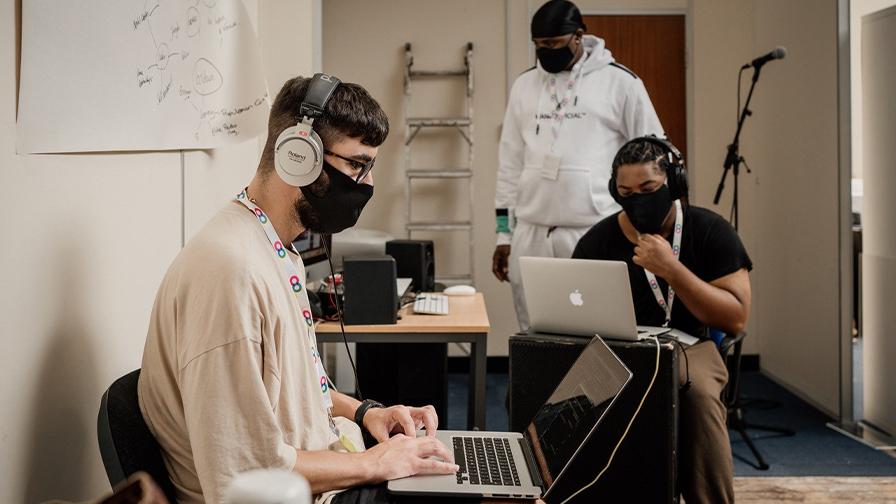
Youth Music works to ensure that the music education workforce is skilled, valued and fairly paid. They work to form links between music education and the music industry, and ensure young people are supported to take their next steps, whatever they might choose to do. Alongside their research they create practical solutions: ‘Youth Music Next Gen’ offers 18-25 year olds freelance work for Youth Music to help them take those first crucial steps in their career, while the Incubator Fund supports creative employers to innovate and incubate new and diverse talent within that same age range.
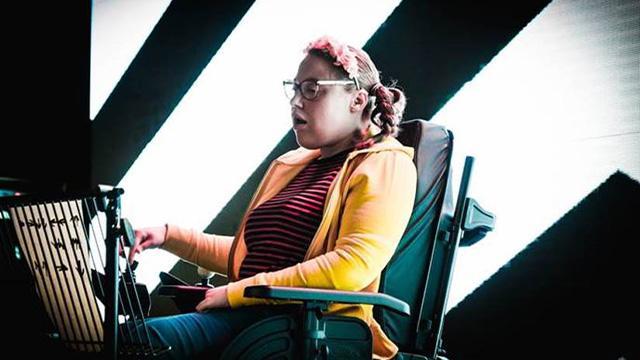
Youth Music campaigns for diversity and widening access; they commission research and provide resources to help workplaces make real commitment around inclusivity. Their recent report ‘Reshape Music’ includes the first-ever national survey into disabled people’s experiences of music education and music-making, setting out the significant barriers they face. They argue that this is a moment not to missed: “the upheaval of 2020 provides an opportunity for music education, retail and the wider industries to build inclusivity into the recovery.”