City of London: county 23
I have long been convinced that 7:30pm is pretty much the worst time for a concert. Eating beforehand is too early, eating afterwards is too late, people with daytime jobs have to kill time after they finish, people with young children can’t escape bedtime routines, it isn’t a late event yet you still end up late home…. and so on. I could wax lyrical on this topic for some time. So in the various contexts in which I curate or programme events I tend to opt for almost any other time over the dreaded traditional 7:30.
This Bach project, however, has enabled me to take this experimentation to another level! And so the City of London performances ranged from 9am to 9pm, with mid-morning, mid-afternoon and earlier evening all in the mix too. Different people were available for each, and some even made it to the whole lot.
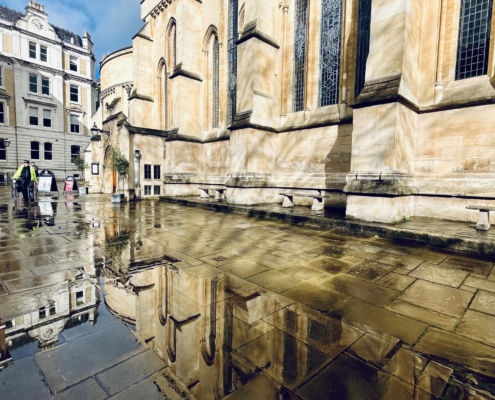

Nestled between the hustle and bustle of Fleet Street and the mighty River Thames is a hidden corner of London: wiggly medieval streets, cobbled pavements, serene courtyards. This is Temple – the home of the legal world for centuries.
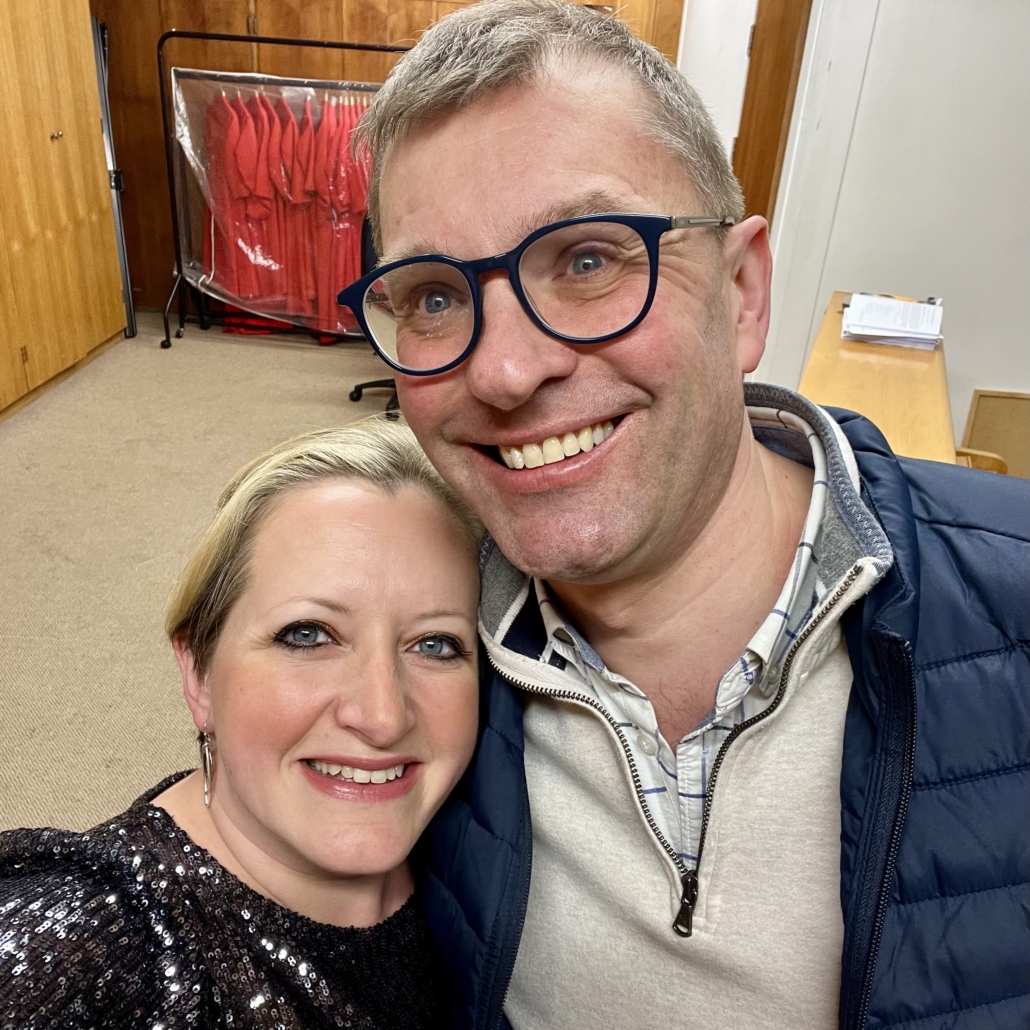
An inevitable part of making a project like this happen has been shamelessly exploiting contacts and connections in different places. My partner Roland organised the first performances of Project 48, in the East Riding of Yorkshire – beginning the day after live performance was first allowed as we all emerged from the long lockdown of 2021. Since then he has moved jobs and runs the Temple Music Foundation, so it felt like a natural fit when he suggested incorporating the City of London performances into their Holy Week Festival.

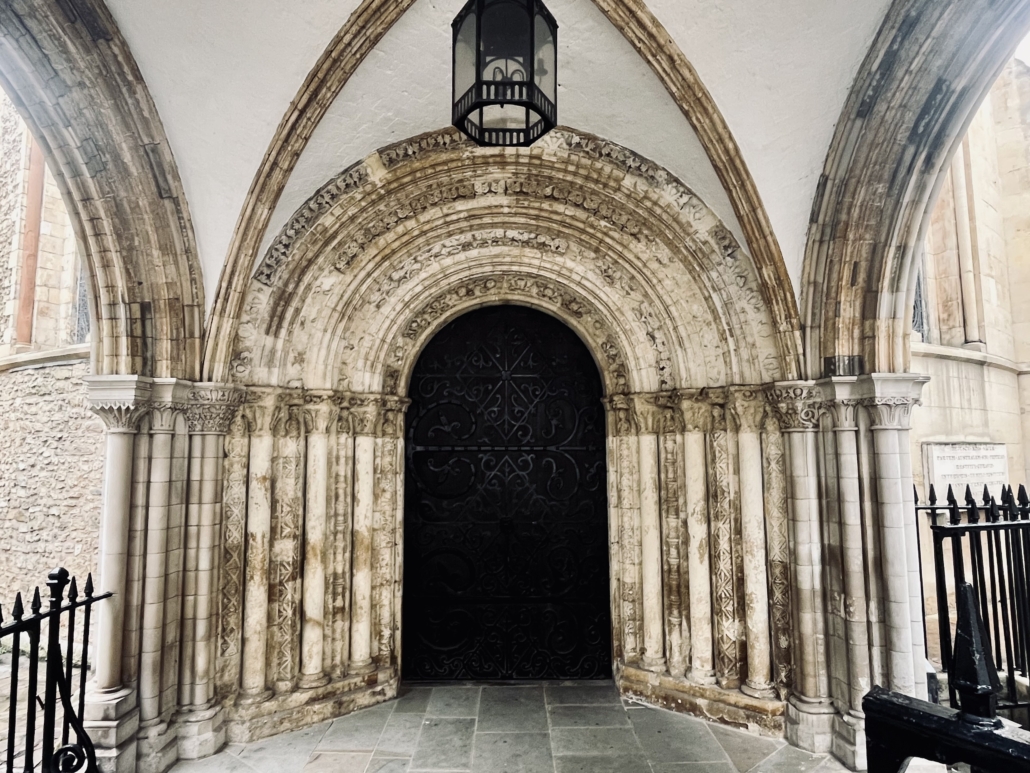
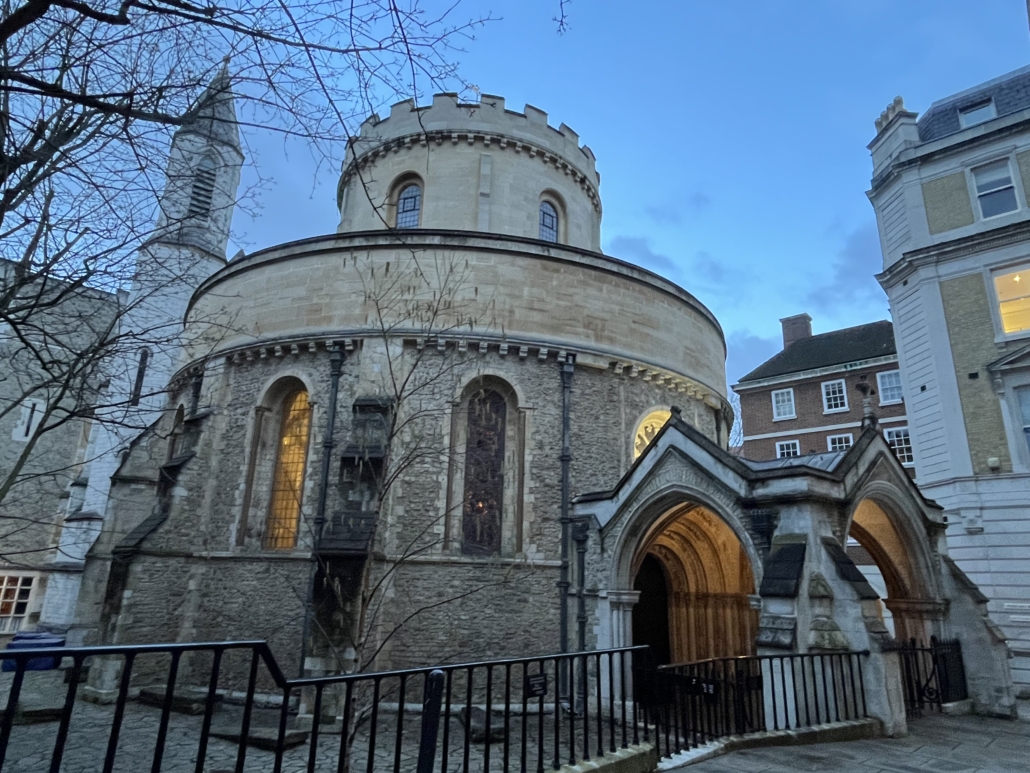
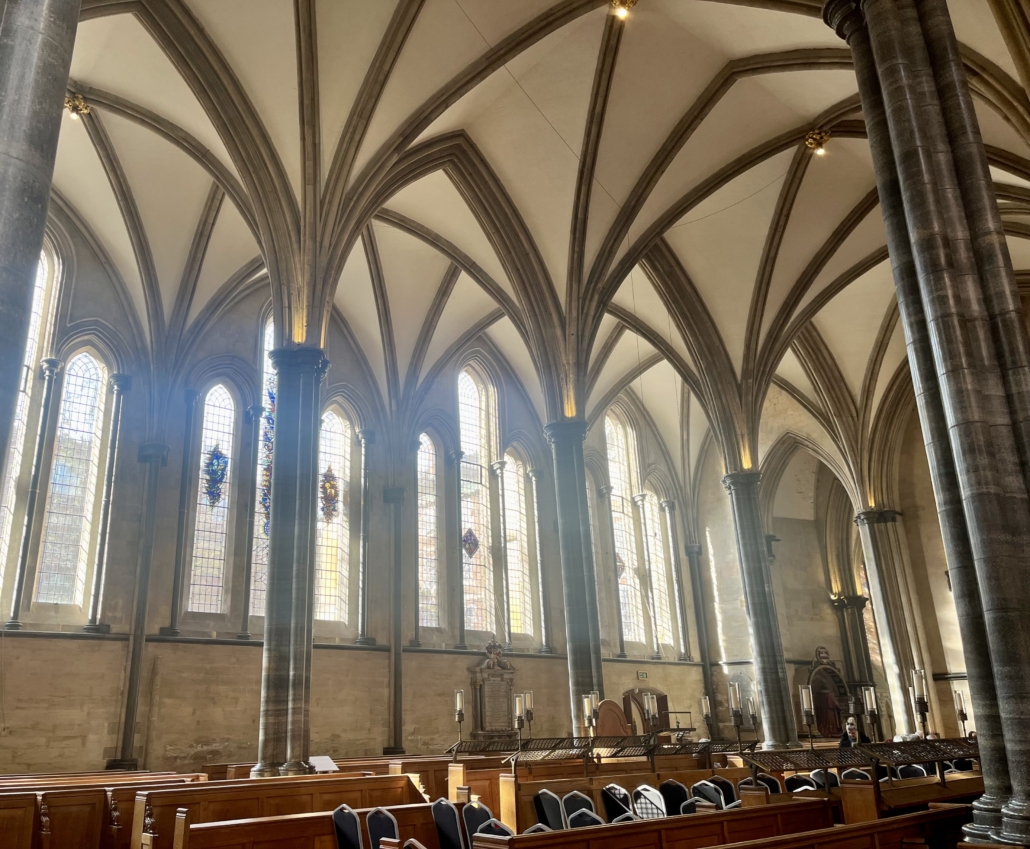
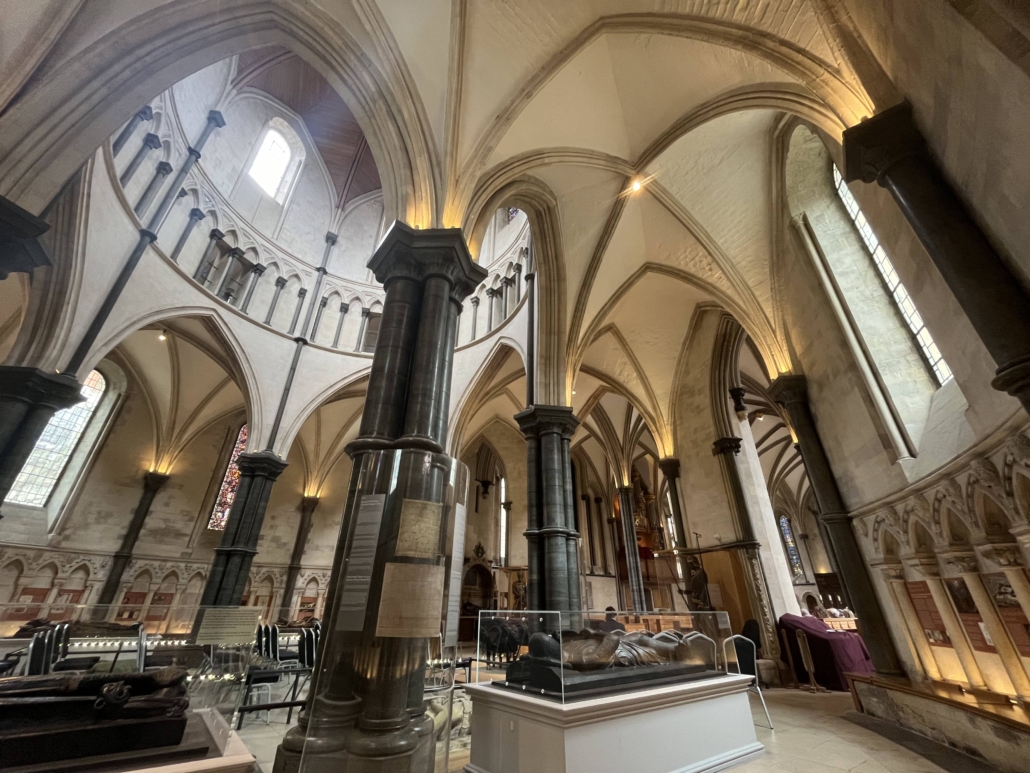
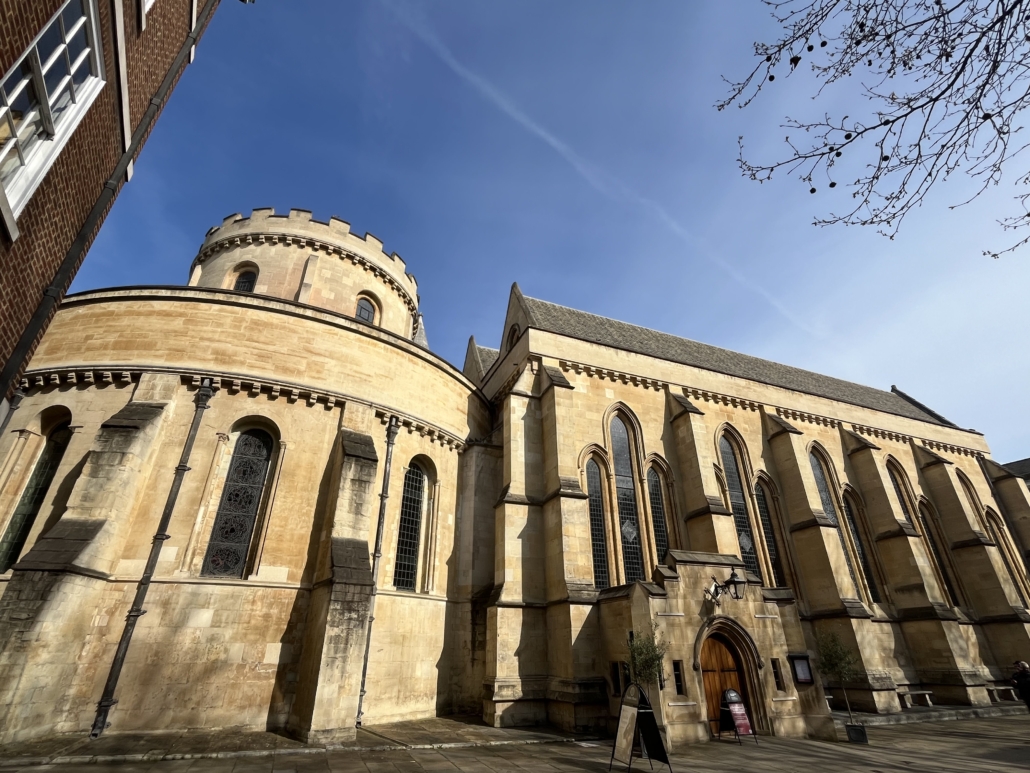
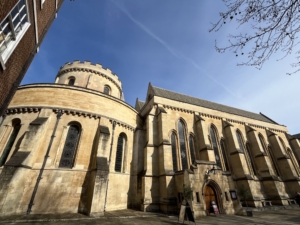
At the heart of the sprawling medieval campus of Inner Temple and Middle Temple is Temple Church. Its round church of 1162 is a homage to the Church of the Holy Sepulchre in Jerusalem. Its nave was substantially rebuilt after severe bomb damage in the Second World War. Its acoustics and atmosphere are very special.
As one of the festival’s artists-in-residence – along with clarinettist Julian Bliss and cellist Tim Lowe – I was appearing in multiple concerts during the week, on top of the Bach performances. So it was a full-on few days! I played Beethoven with Tim and Brahms Four Serious songs with Ashley Riches; Poulenc with Julian and with Olivier Stankiewicz; Mozart with a dream team of wind players. And an unexpected job interview (for a job I didn’t get!) and a radio broadcast both on the Monday added to the madness. But the flipside of the stress was the inspiration to be found in making music with brilliant colleagues, or in finding a quiet corner from which to hear other performances in the festival – a classy organ recital by Dan Moult, a beautiful string programme of Shostakovich and Howells, a powerful Good Friday concert of Messiaen’s Quartet for the End of Time. All music feeds into all other music, and whilst sometimes we actually need quiet, at other times the different musical languages and experiences can nurture and feed one another in special ways.

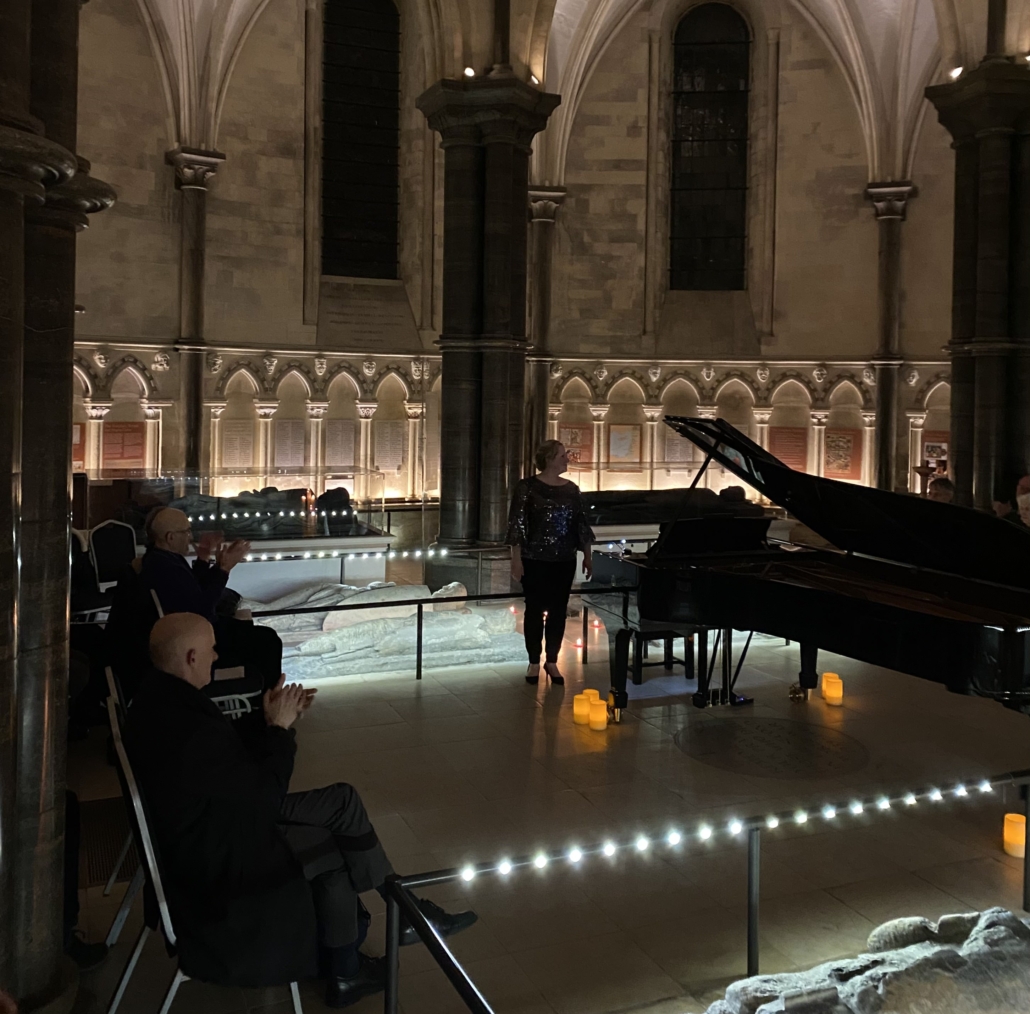
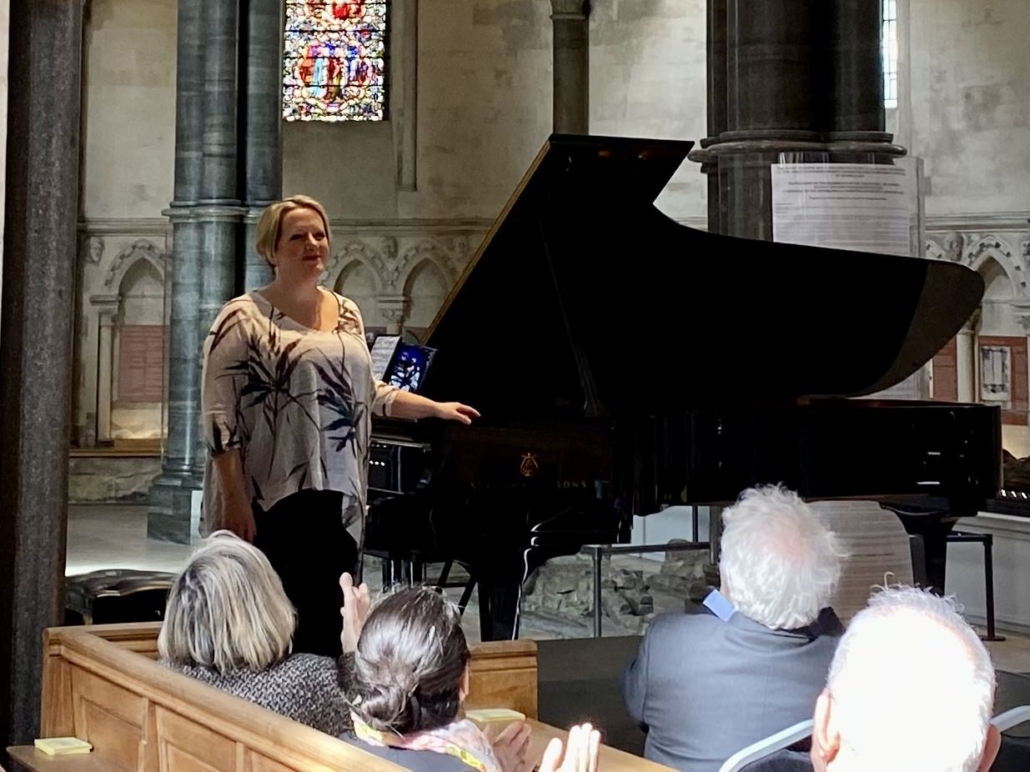
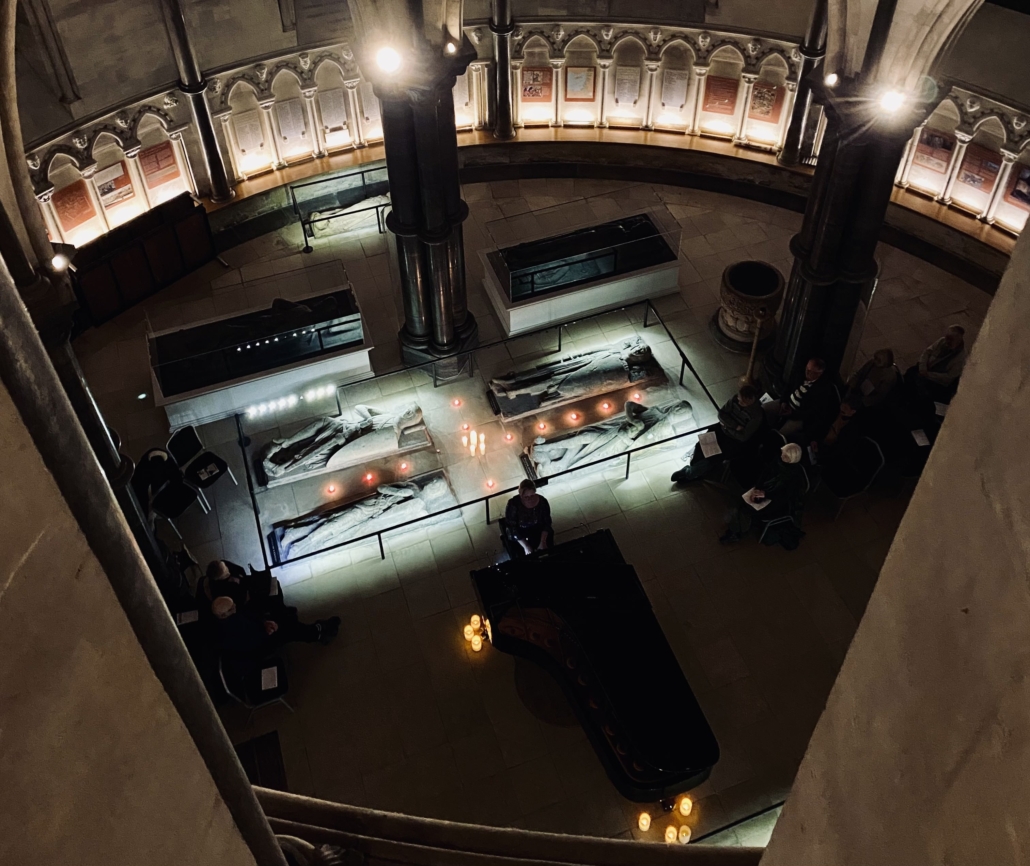
The first of the Bach performances was on Tuesday morning at 9am, with coffee served to the audience. Wednesday featured a more civilised 11am and then a 7:15pm, followed by a drinks reception. By Thursday I’d finished my other concerts in the festival and so ‘went for it’ with three Bach slots – at 10am, 3pm, and 9pm. Partly by design and partly to fit with other festival logistics, the performances took place in different places in the church: playing into the nave, playing into the round church – and, for the final performance, atmospherically placed amongst the tombs in the middle of the round church, surrounded by candlelight. I have fond memories of the magical daytime light in Temple Church for the first concert – but it’s the atmosphere of the last, late-night performance that particularly sticks with me.
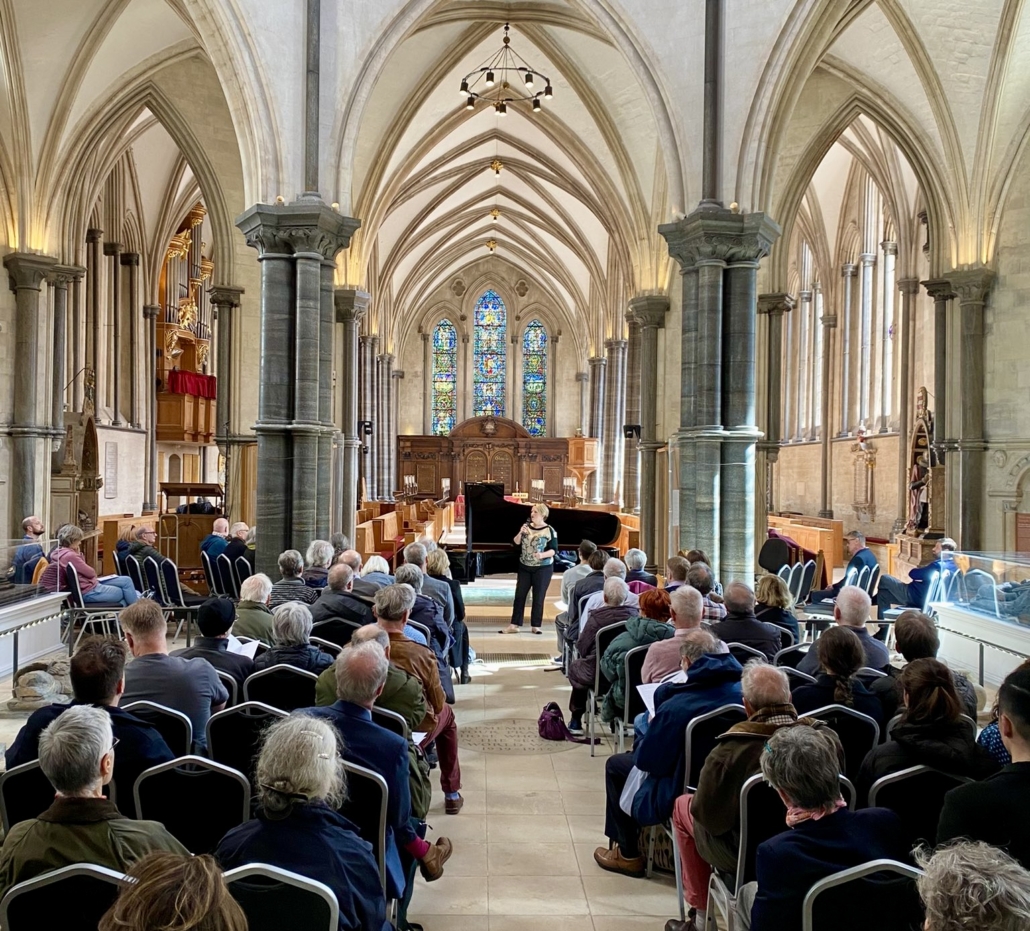
Many people find this to be spiritual music – whatever that means for them relative to their life experiences and faith – and so experiencing this music in atmospheric settings, in historic spaces, in places where human beings have for centuries been engulfed with sorrow or celebrated moments of joy or wrestled with the meaning of life can bring particular resonance to the music. Certainly I felt that during these Temple performances, in a week where most of the programming was deliberately reflective and at one of the holiest times of year for Christians.
It was lovely that representatives from the different charities being supported came along and that we got the chance to catch up. Other memories from this week include: discovering the best and most needed greasy spoon on Tudor Street between concerts on the last day which provided exactly the sustenance I needed by that point; practising in the lavish Inner Temple Parliament Chamber between concerts, where I recorded my playing, listened back, and totally changed my ideas about how I played some of the music even after performing it more than twenty times; friends, a former student, a former boss, all turning up at different points; the kindness of Ellen from TMF who let me go and sleep in her room for two hours between concerts; laughing harder than I’d laughed for years in the shared taxi home on the last night with friends Maddie and Gavin who’d spontaneously turned up to the last concert.
Music and people – surely two of the things that make the world go round.
Thank you so much to my brilliant Roland for making another round of Project 48 happen, thank you to the lovely team at Temple for making me so welcome, and thank you to all who attended performances and donated to the charities. The running total now stands at almost £32,000 – all going to Live Music Now, Future Talent, Help Musicians and Youth Music.