Suffolk: county 6
To date all performances of the project have been arranged by people who, to a greater or lesser extent, I already know: friends, family, former colleagues, contacts in the industry. When a supporter of one of the project charities got in touch earlier in the year offering to host the Suffolk leg, I was naturally grateful – finding contacts in every county of the country is hard work, so enthusiastic leads are welcome – but I wasn’t sure what to expect.
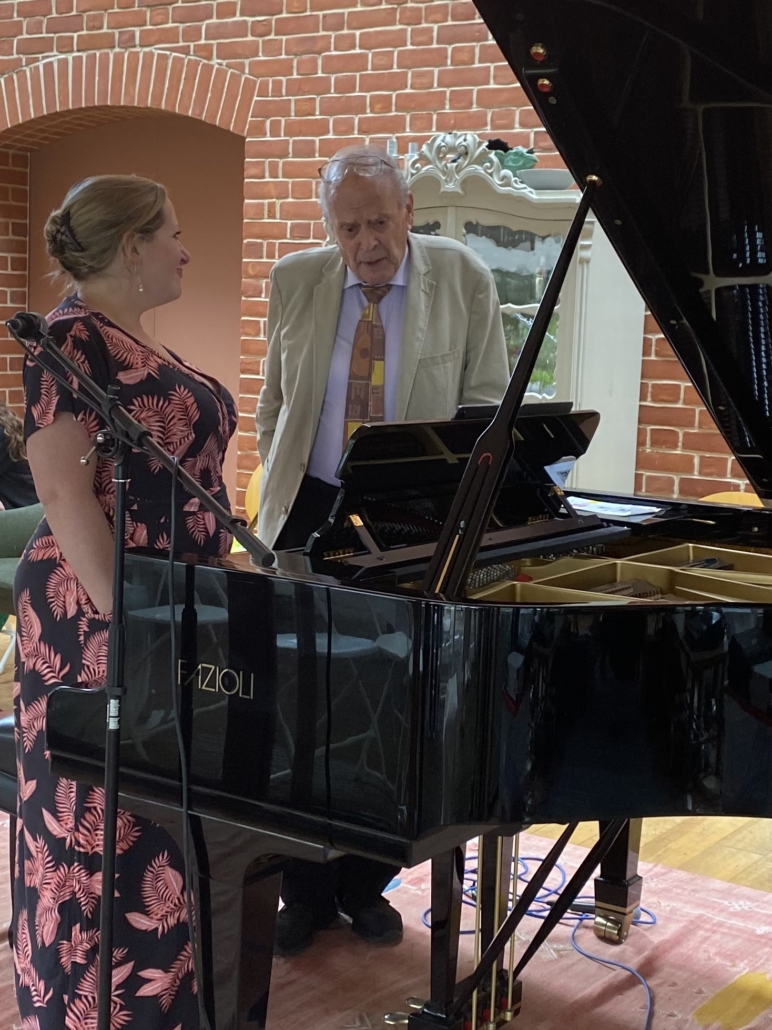
What quickly became apparent was that Stephen was no ordinary supporter. He has a high-powered banking career, sits on the Finance Committee of Help Musicians (hence his discovering the project), and has at different times been on the board for numerous significant musical organisations. He is a musician himself by training, is a passionate music lover, and is also clearly someone who Makes Things Happen. He swiftly suggested shipping his Fazioli piano up from London to his Suffolk place (‘oh it needs to be moved anyway, we’re having some work done’), inviting a guest list to hear half of the 48 there either side of a lunch party, and then using Aldeburgh Parish Church for public concerts of the other half of the music the next day. Several emails (and a lot of patience on his side) later, plan fixed.
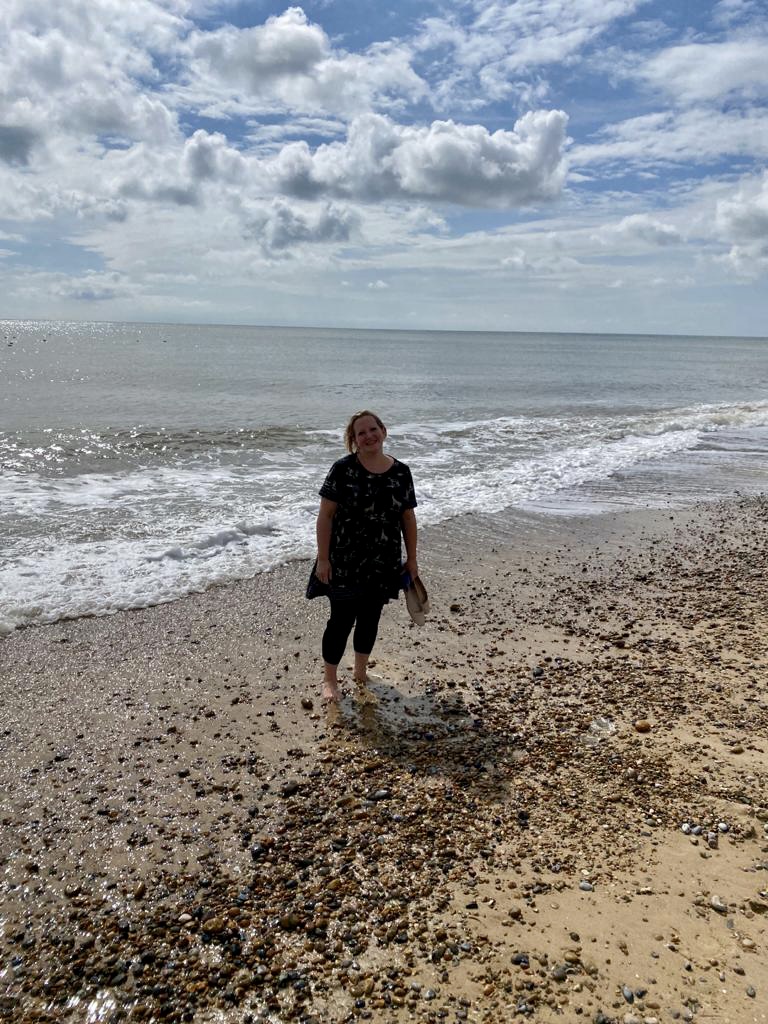
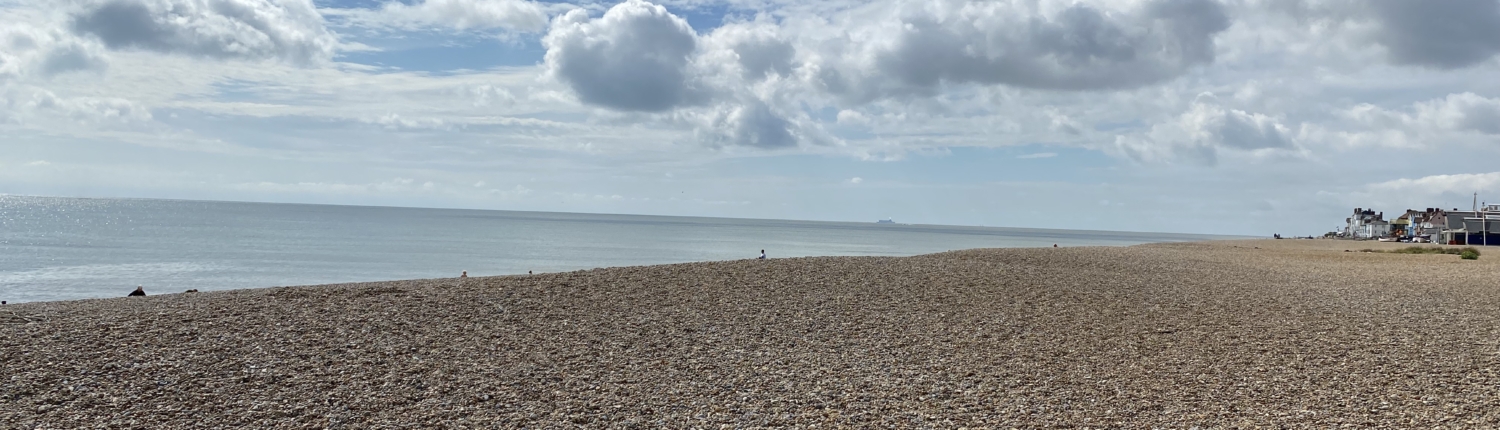
And so, somewhat bleary-eyed following an early start from Sussex, where I’d finished playing the previous evening, I arrived on the outskirts of Aldeburgh on an overcast Saturday morning, dunked my feet quickly in the sea, and wondered what awaited me. The answer was as follows:
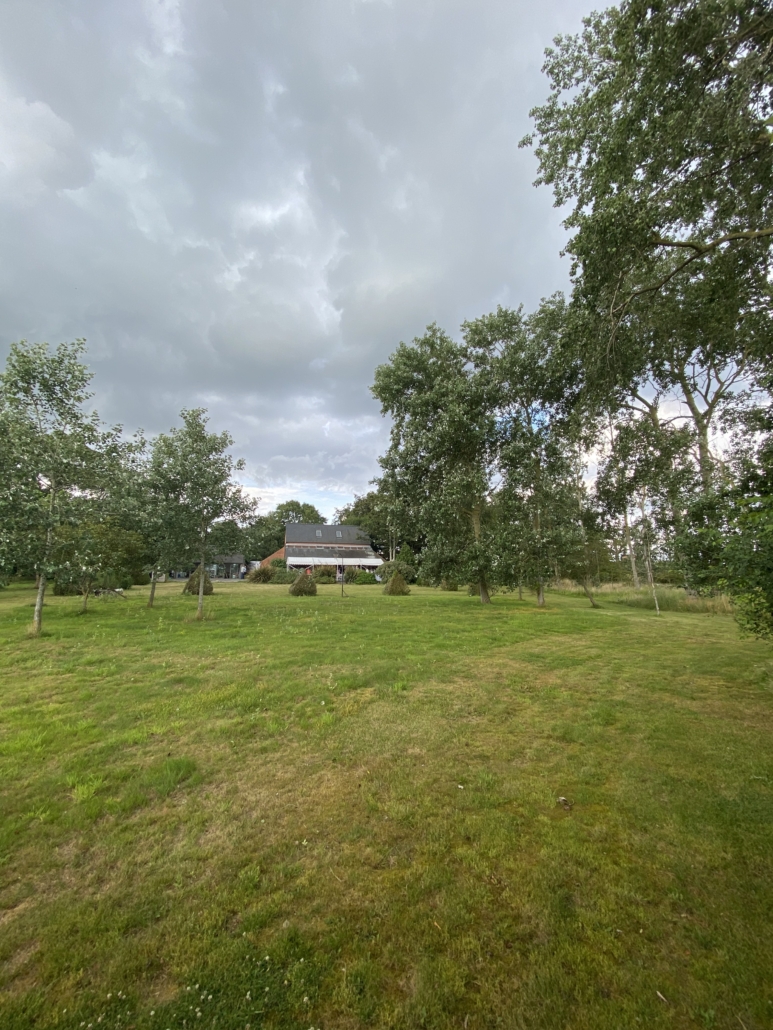
1) a breathtakingly beautiful and peaceful location, overlooking the marshes of the River Alde, the water glinting in the light;
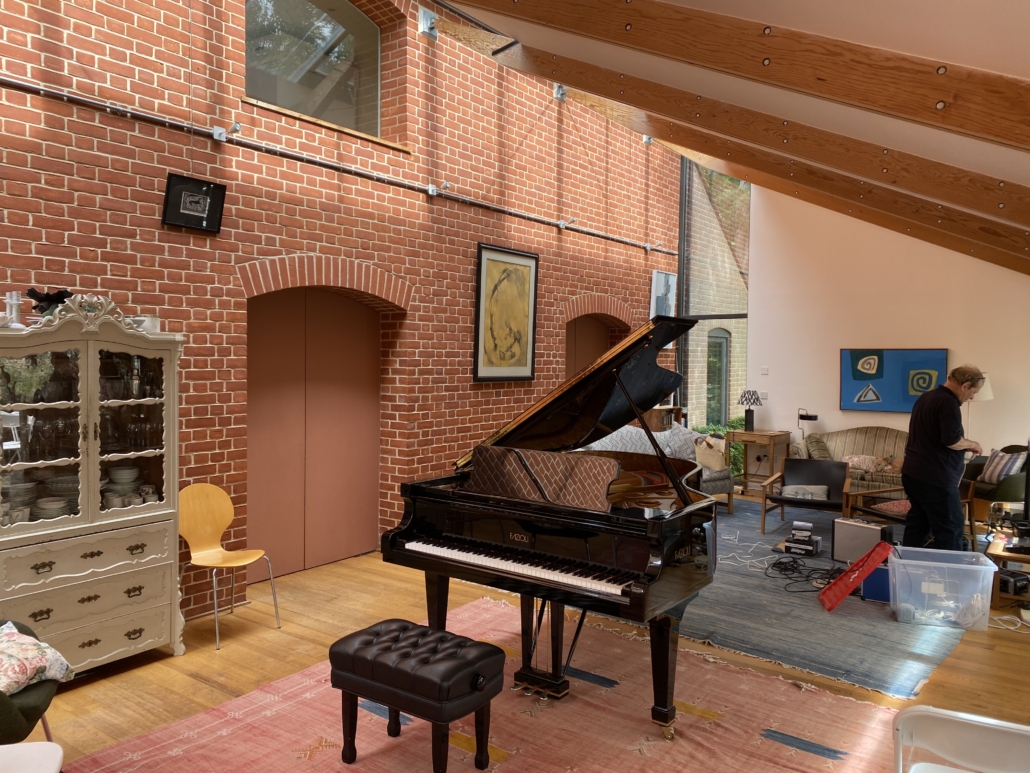
2) an exceptionally stylish house, which I subsequently discovered had been designed by the architects who went on to design Glyndebourne (Michael and Patty Hopkins);
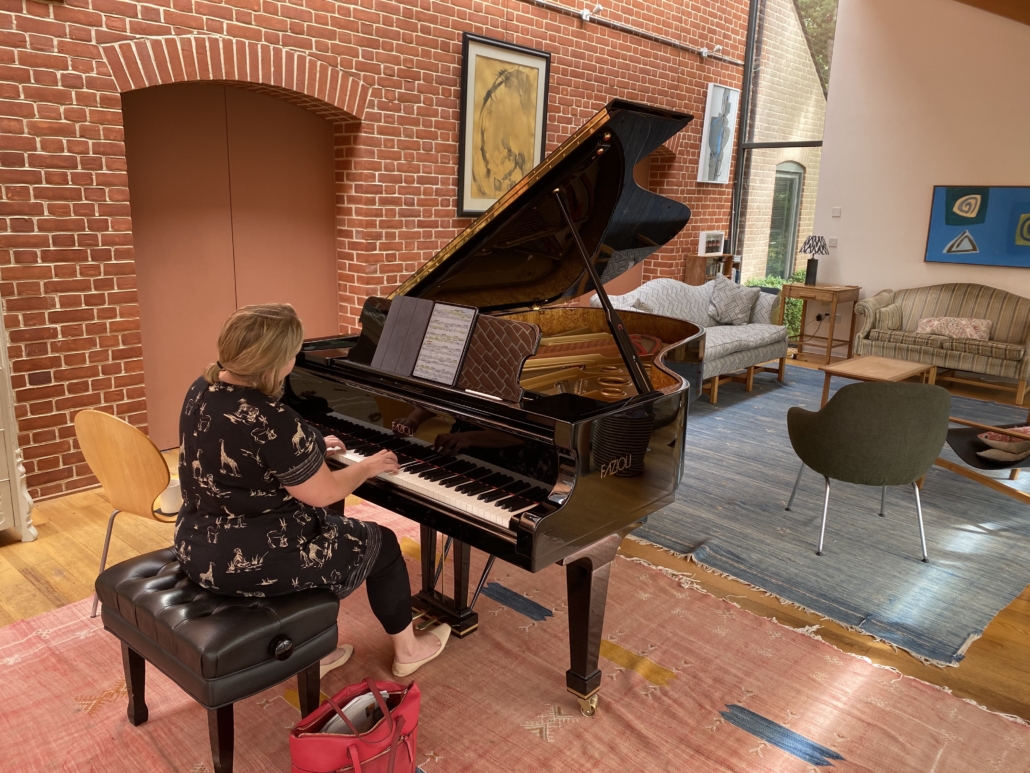
3) a beautifully responsive Fazioli, freshly shipped in from the family’s London home, and newly voiced for the setting by Jaques Samuel Pianos; and
4) an extraordinarily warm welcome by the whole Swift family – Stephen and Victoria, and their late-teens/early-twenties children, as well as friends of each of the youngsters who were here for the weekend, helping out, joining in, and generally adding to the conviviality of the whole thing.
There was an inevitable hustle and bustle as caterers set up, as family changed from swimming outfits to smart attire for hosting – and with a much-appreciated cup of tea in hand I settled in to warm up (the A14 services at Manningtree had plugged a gap, but only goes so far!).
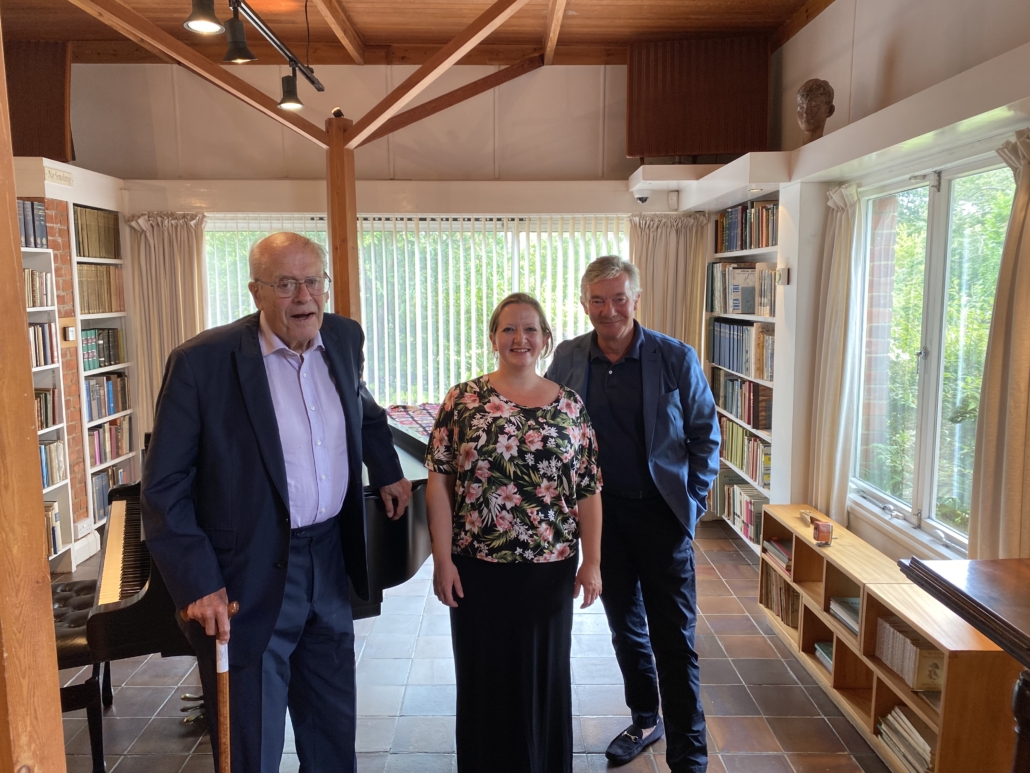
By the time guests, arrived, though, I had some sense of being ready to go. One of the more exceptional arrivals was Sir Humphrey Burton – music broadcaster extraordinaire, former Head of Music and the Arts at the BBC, founder of BBC Young Musician of the Year, and legendary biographer/interviewer of the musical glitterati over the years, ranging from Glen Gould to Janet Baker to Leonard Bernstein to Benjamin Britten. Sir Humphrey had kindly agreed to introduce each segment of the Suffolk performance, leading a Q&A with me about the project and the music and lending his extraordinary eloquence and energy to the whole thing. Getting to walk alongside Humphrey through this weekend pilgrimage really was a complete honour.
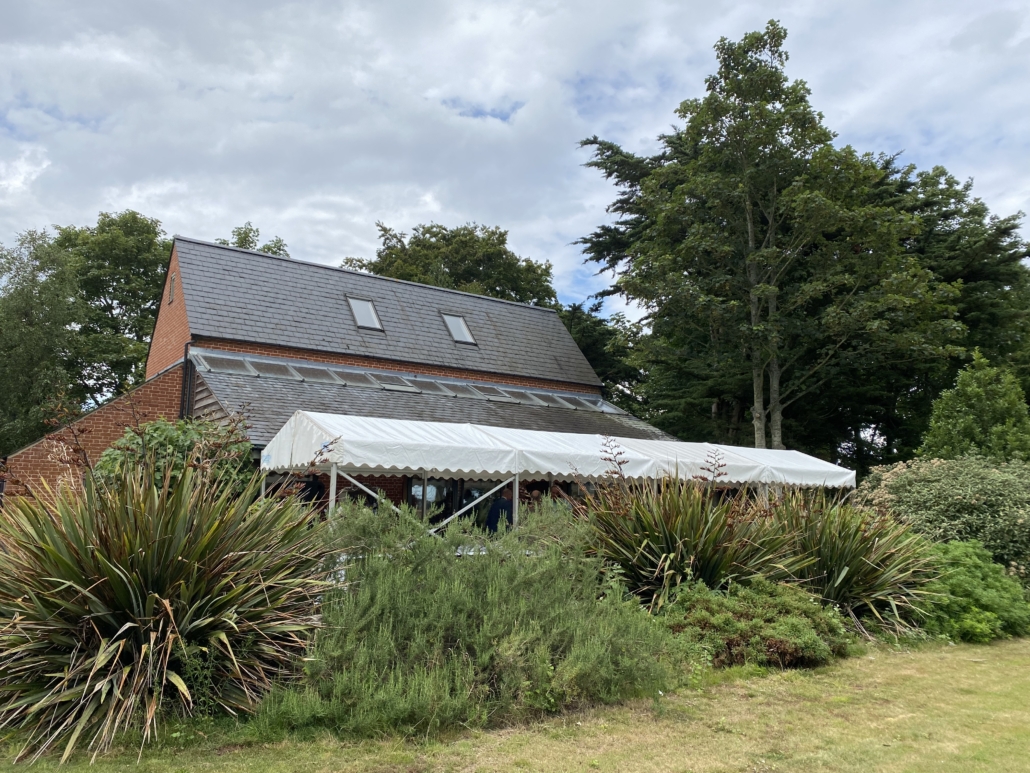
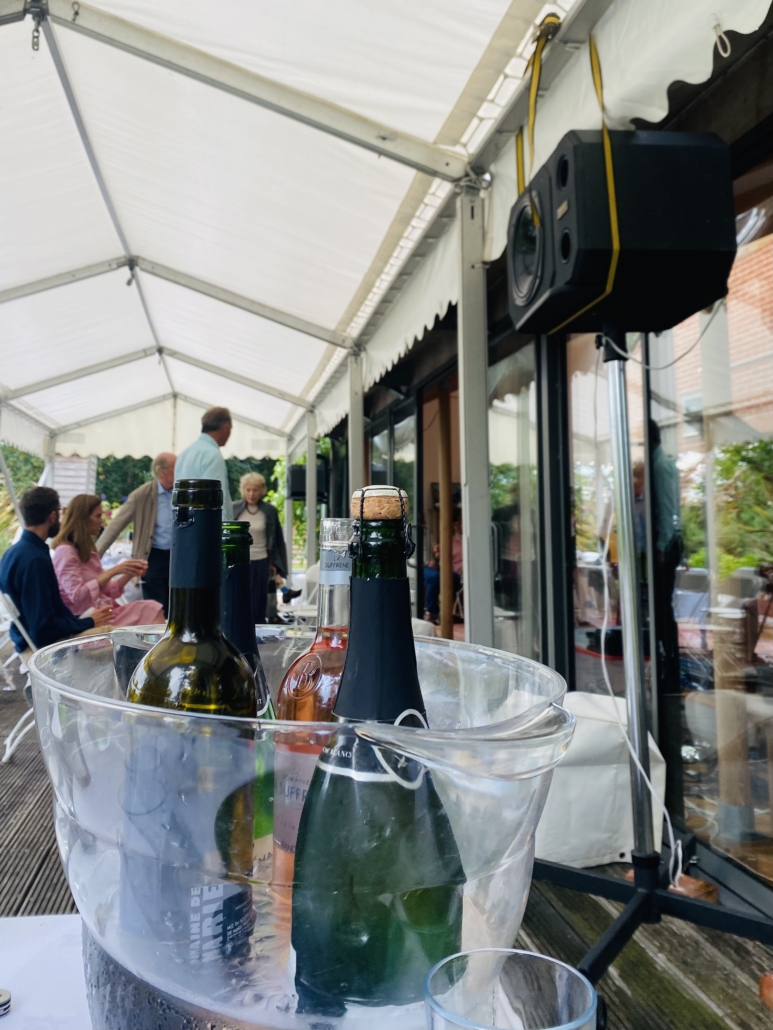
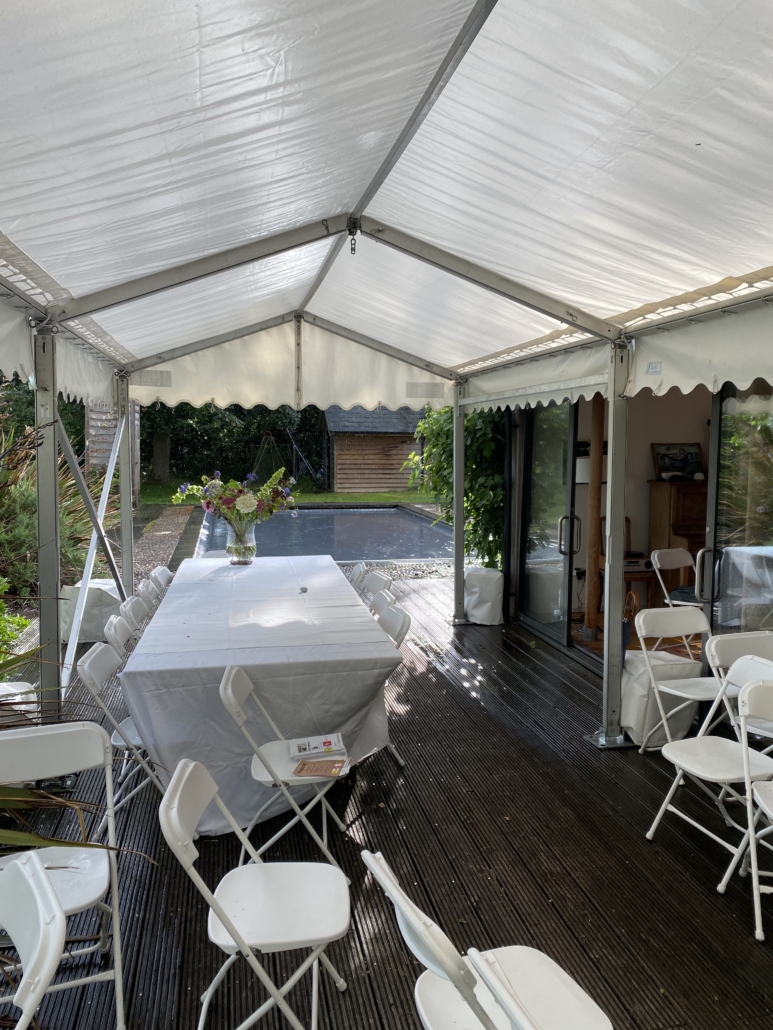
Stephen’s invited guestlist was a highly impressive collection of people – neighbours and friends with assorted high-flying careers, representatives from the firms Stephen had persuaded to sponsor the event (his and Victoria’s firms, Artorius and Ruffer), and figureheads from the local-but-of-course-global musical world that is Aldeburgh. On paper this should have been quite an intimidating audience, then, but the atmosphere was magical. The acoustic was beautiful, Humphrey’s introductions were perfect, Stephen and Victoria’s hosting impeccable. The doors were wide open, most of the audience seated on the veranda, covered by a marquee, with others on elegant furniture indoors. I’ll never forget the scent of sea salt on the breeze as the air changed and the rain gently started to fall part way through. And then I became aware in my peripheral vision that there was some very discreet shuffling going on outside. As soon as I reached the final cadence of that fugue, and a suitable polite pause had been held, this erupted into full scale relocation: everyone had clearly been waiting ever so Britishly for the music to finish but had actually been getting dripped on or rained on at the outer edges of the tarpaulin. (Ah well, said Stephen, we got a better return on our investment getting that marquee than if the sun had shone all day….)
In several places I’ve enjoyed putting together programmes of the music, taken out of Bach’s order but constructed so that each item flows naturally into the next. And I always encourage people not to clap after every prelude and fugue, as it breaks up the reverie! But recently I’ve been wondering whether an hour’s uninterrupted sequence is just too long: it almost becomes indigestible. So here I decided to break each performance into three sets (each lasting around twenty minutes). Each set would comprise the preludes and fugues of a particular note – so the two G majors and two G minors in one set, for example (as I do in my monthly livestreams). I felt this might give a structure to the hour each time, each set long enough to be absorbing but short enough to be coherent. My reservation was that it might make it less interesting, to have the two pieces of the same key side by side – but I hoped this would be outweighed by the focus it throws onto the different colours Bach finds for each key. Humphrey was (politely) horrified at the idea that I wasn’t going to play in Bach’s published order (though I think partly that stemmed from the fear that I might break up the preludes from the fugues which they belong with – a totally different proposition and not one I was ever intending to experiment with…. although now that it’s been mentioned….). Anyway the audience fed back that they really enjoyed this shape to the programme, and by the end of the weekend I think even Humphrey was persuaded that it had its merits!
A delicious, long lunch followed, unanimously declared to be an excellent party, and all the more special for being the first such event in so long for most people. There was smoked sea trout, amazing local cheese, magnificent summer pudding, generously flowing wine…. And the most glorious views. The second programme of music started slightly (an hour or two) later than planned because everyone was having such a good time: how refreshing not to be constrained by venue schedules or travel plans! By the time everyone drifted away at the end of the afternoon, there was a sense of contentment all round.
Stephen and I sat and debriefed over a glass or three of wine. He told me about his time in the National Youth Orchestra as a trumpeter, and told me that Humphrey was in one of the first ever cohorts of NYO players after it was founded. We chatted about Eton, where he and his son both studied, and where I taught for twelve years. We discussed ( / I ranted, fuelled by Bach and wine, about) the inequalities the music world faces, the issues of access and funding and resources and support and aspiration and ownership. I cited the project which I rate higher than any other I’ve encountered, the fantastic choral setup at St John the Divine in Kennington, which not only gets young people into singing each week – with all the broader cultural, historical, creative education that brings – but also takes them to reside in Cambridge for a week every year, opening their eyes to a world that many of them would have assumed is not for them, and – by returning year on year – making them feel completely at home there. (Shout-out to Mark, Ben, Jez, and all the others there who’ve made that happen.)
A luxurious bath was offered and gratefully accepted. A delightful hour around the piano was enjoyed by all and I went through Schumann’s Frauenliebe und -leben with the lovely Amelia, student at Edinburgh, who was staying for the weekend. (Beautifully sung!) A delicious supper was enjoyed and an early night much needed.
In addition to playing the 48 in its entirety in every county, I’ve also been giving short, informal livestreams on the first day of each month, working though the twelve notes across the twelve months of the year. On 1st January I played the pieces in C major and minor, on 1st February I did the C sharps, and so on. It began as a way of building some momentum for the project whilst stuck in lockdown and unable to crack on with ‘the main act’ – so the first few livestreams were all from home, whereas more recent ones have been from wherever I’ve been on the road at the time. 1st August happened to fall on the Sunday of this Suffolk weekend, so in addition to playing the whole 48 to a live audience, to tick off that element of the project, I also needed to stream the Gs to my virtual audience, to maintain the other strand. Not clever planning, in a way! But the team at Britten Pears very generously offered that I could give the livestream from The Red House – Britten’s own home. And so at 9am on the Sunday morning, that’s where I found myself!
There are few composers so completely, inextricably bound up with the place in which they lived as Britten with Aldeburgh. His music famously lives and breathes that vast, open, sometimes bleak, always invigorating coastline. The seasalt and the weatherbeaten surfaces are in the very essence of his music – and, at the same time, the creativity which he brought to (and drew out of) the place is in the very bricks and mortar of this small seaside town (and of course Snape Maltings, just along the road). Britten, to me, is one of the very greatest composers of all time – he’s in my top five, no question. So much of his music is for voice, and working with singers is (mad Bach project aside) my main field of expertise, so I’m fortunate to have spent a lot of time with his writing. War Requiem, Peter Grimes, Curlew River, Winter Words, Michelangelo Sonnets, the canticles, the many folksong settings…. you can’t beat them for emotional impact. They are so impeccably crafted – every note counts, the tiniest harmonic shift speaks whole worlds (not unlike Schubert), and the dramatic pacing, whether of a single song or a whole vast opera, is perfectly judged.
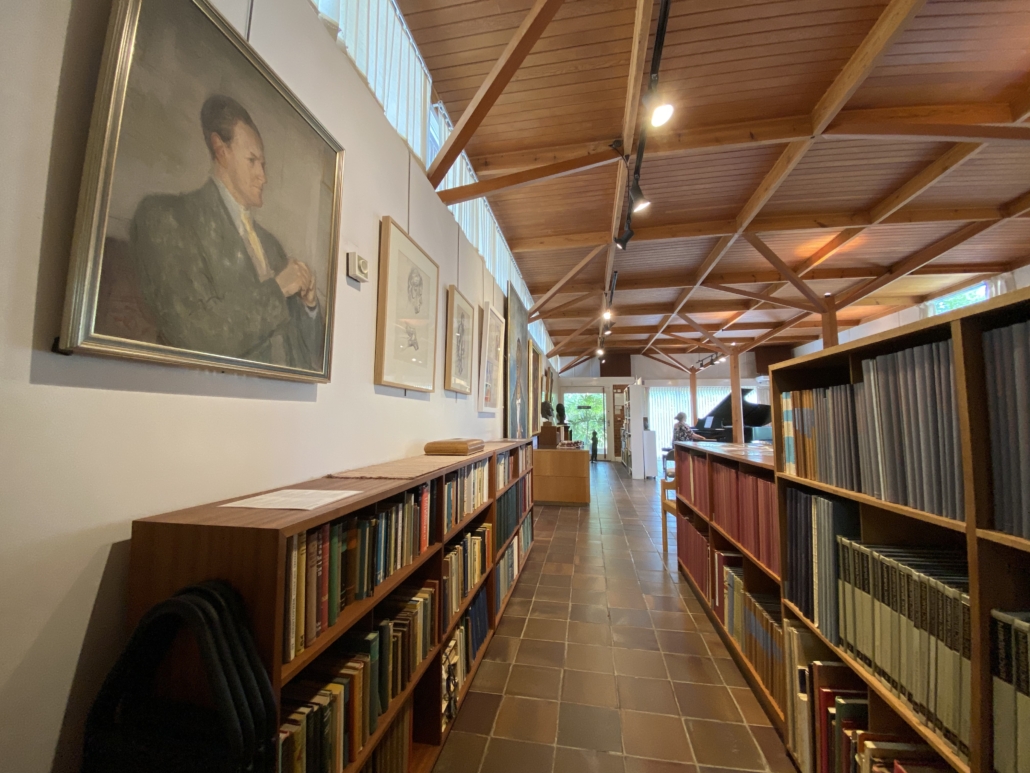
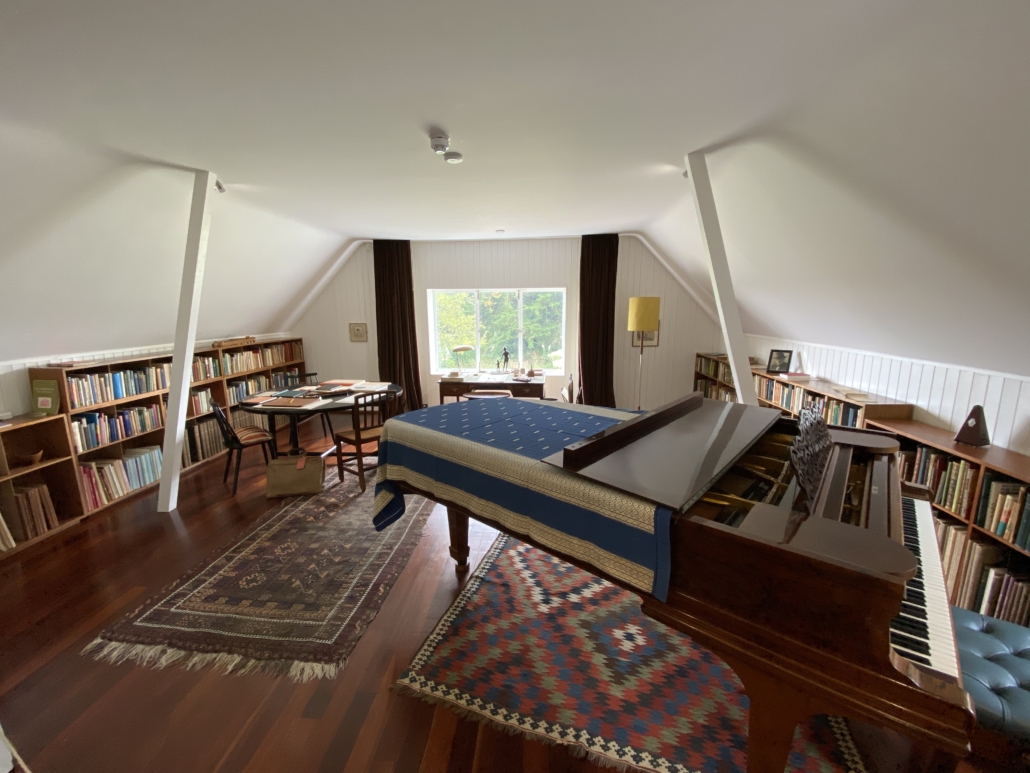
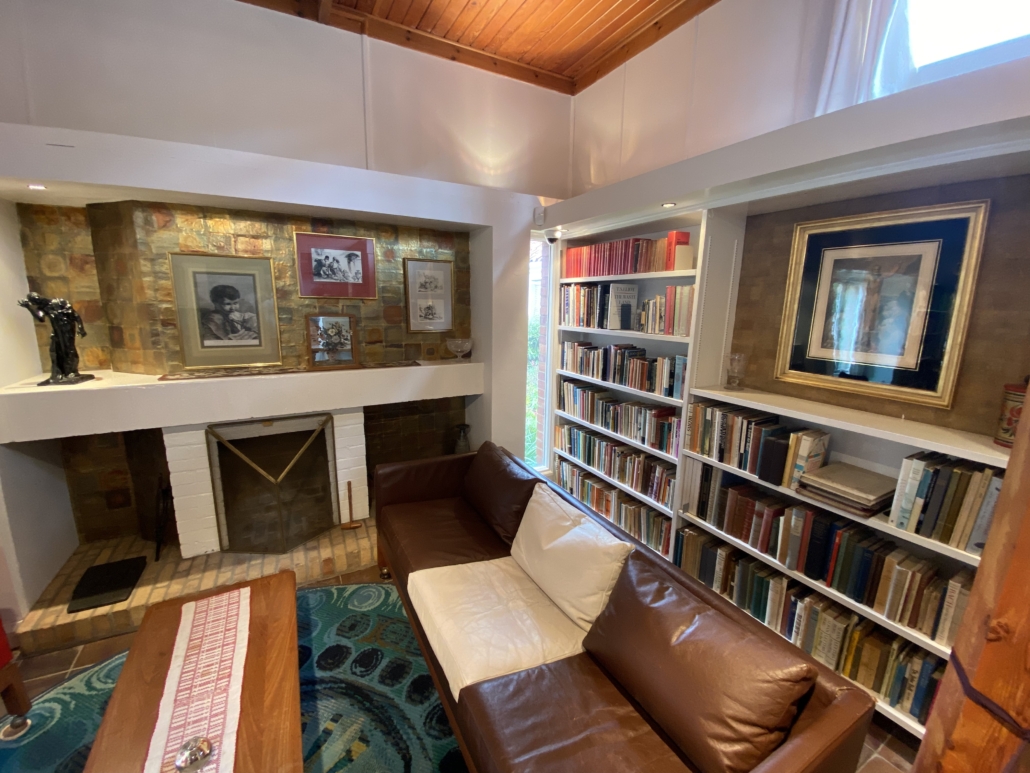
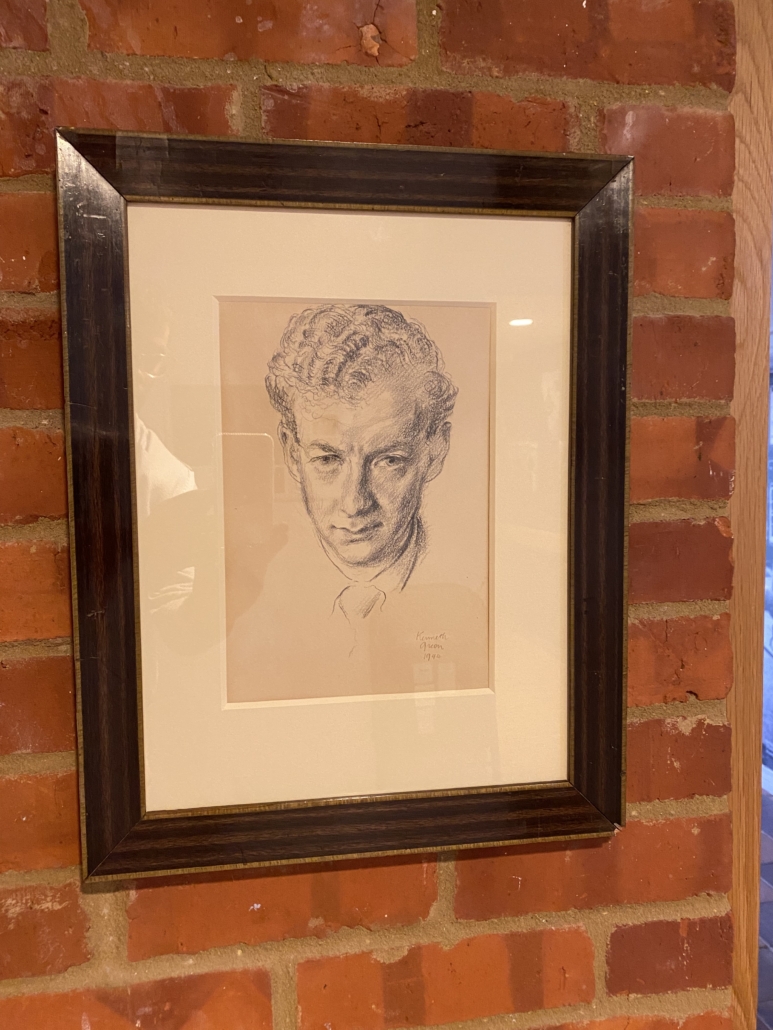
Although I’ve been lucky to work in Aldeburgh a fair bit in different guises over the years – in the Festival, on Britten Pears Young Artist summer schools, coaching for Aldeburgh Young Musicians – I’d somehow never made it to the Red House (Britten and Pears’ home) until this weekend. It is an extraordinary place. The library is filled with Britten and Pears’ scores. And the piano of course is Britten’s own piano. Sitting down to play it, knowing the hours he’d spent playing it himself, and the music-making that had revolved around it, was a powerful experience.
Most of these monthly livestreams have had live viewing figures in the tens, which have crept up to the hundreds over the following weeks. Because Classic FM kindly shared this one on their own social media channels as it was happening, the live viewers numbered around 12,000, and at the time of writing, a few days later, ‘catch-up’ views have reached 120,000. A gentle start to the day…!
Sir Humphrey again joined me to talk about the music and the project, live to camera, with an energy and dignity that I cannot for a moment believe I would have at the age of 90. (Afterwards we went and looked at the tree that had been planted in the garden for his 90th birthday – a crab apple – a beautiful, understated, long-lasting tribute to his astonishing contribution to the music world).
We’d timed the stream to take place before the house was open to visitors, and it was an honour then to be given a private tour by the house’s director, Sarah Bardwell. She pointed out the curatorial joys and challenges of the place: the cupboards full of ‘ordinary’ household items – board games, shoes, tennis rackets, crockery – on the one hand, and the astonishing collection of artworks on the other, often gifts from high profile figures. She brought the couple and their circle off the page. She spoke with passion and expertise. And all of this on a morning when she wouldn’t otherwise have had to come in to work at all! Thank you, Sarah.
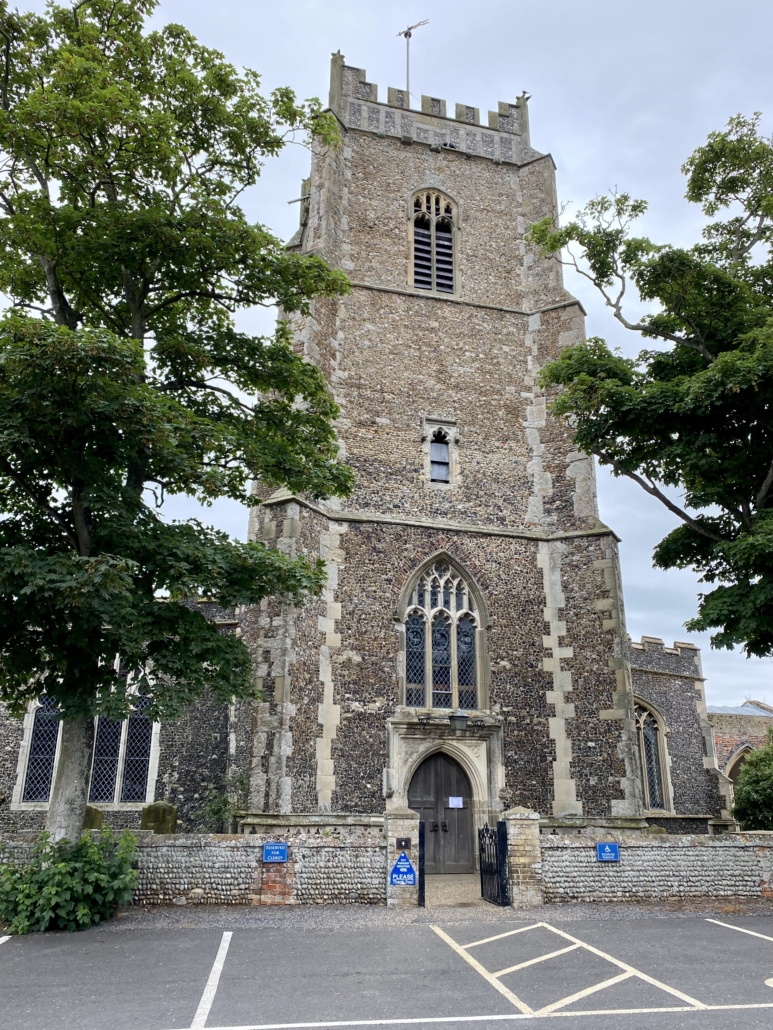
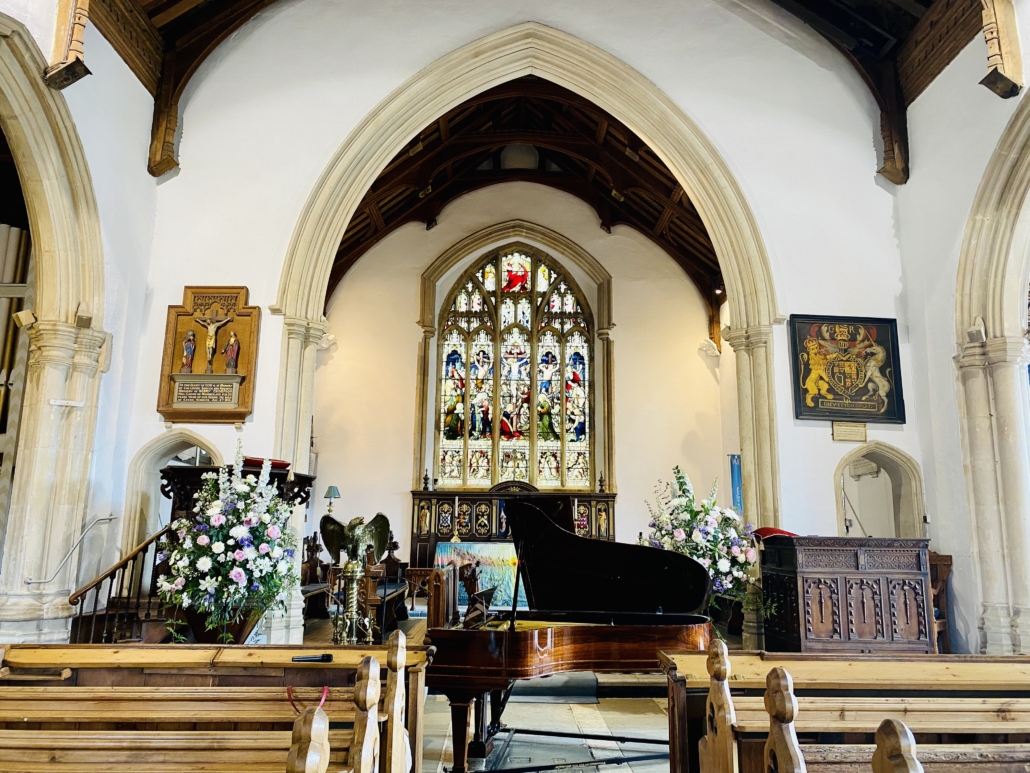
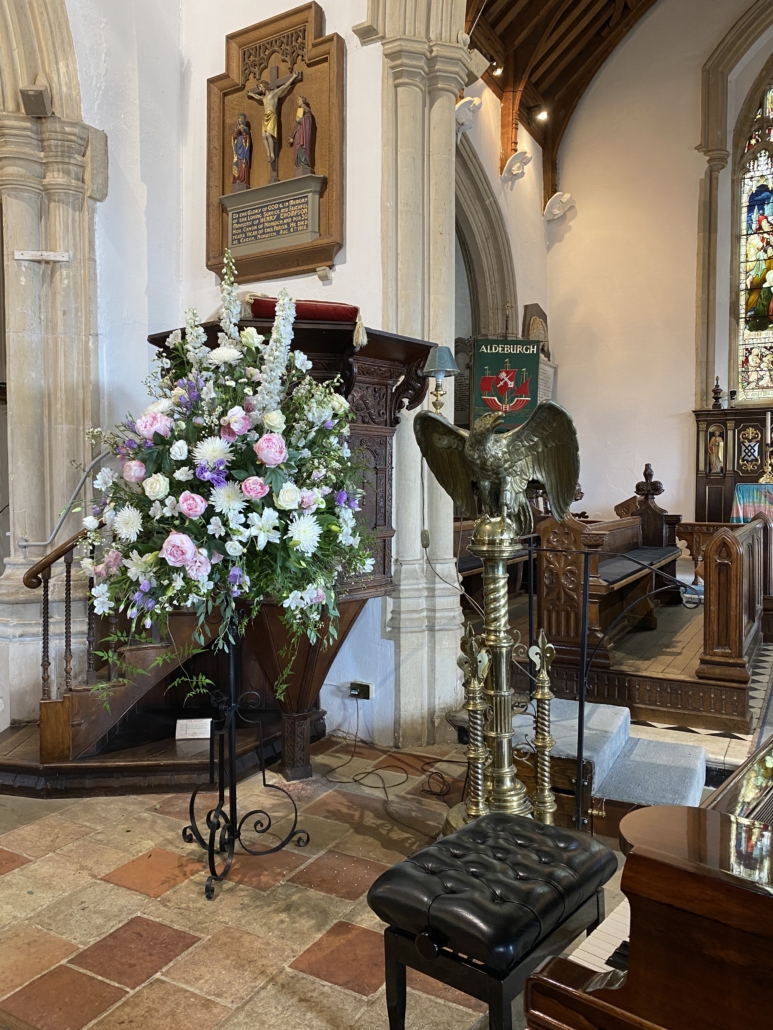
A quick blast of sea air and a bite of lunch (Stephen and Victoria attentive as ever), and it was time to head to the church for the two public concerts. Roland disappeared at this point: he’s been a wonderful roadie for the last few days, but does after all have to put up with a lot of Bach at home, and has a life of his own to lead, so can’t then also hear every concert! Aldeburgh Parish Church has seen some extraordinary music-making since the founding of the festivals: major works were premiered here, performances still take place here featuring incredible international musicians. There is a real community in the area of professional musicians and committed music-lovers, who’ve gravitated here and find themselves amongst like-minded people, in an inspiring corner of the country.
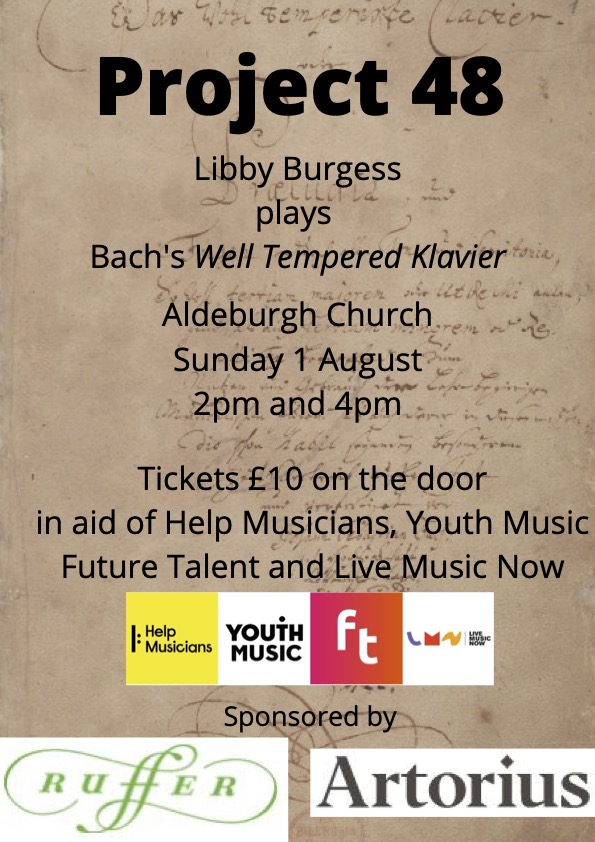
Despite it being a Sunday and therefore not exactly a day of leisure for him, the Rector, The Revd Mark Lowther – himself a proficient musician and former radio producer – was there and gave me a warm welcome. The two performances lasted an hour-and-a-bit each, with the F sharps, B flats and Ds at 2pm, followed after only a very short break by the Es, C sharps and A flats at 4pm.
Several people pointed out that this was the third piano I’d performed on in 24 hours – and they were three very different pianos! Stephen’s Fazioli has a brightness and a sparkling quality, Britten’s Steinway is softer around the edges, but purrs, and then the church’s Steinway, being significantly older (c.1900) is heavier, feels like it’s lived a good life! After the ‘party’ spirit the day before, these concerts felt more thoughtful: a gaggle of people sat quite nearby each time, and others spread themselves around the building. The listening was very attentive.
Again and again people tell me how much less they know Book 2 than Book 1! When I began seriously learning the 48, I felt much more familiar with Book 1 and couldn’t make sense of plenty of Book 2. Now, though, many of my favourites are in Book 2: the writing is so expansive and somehow wilder.
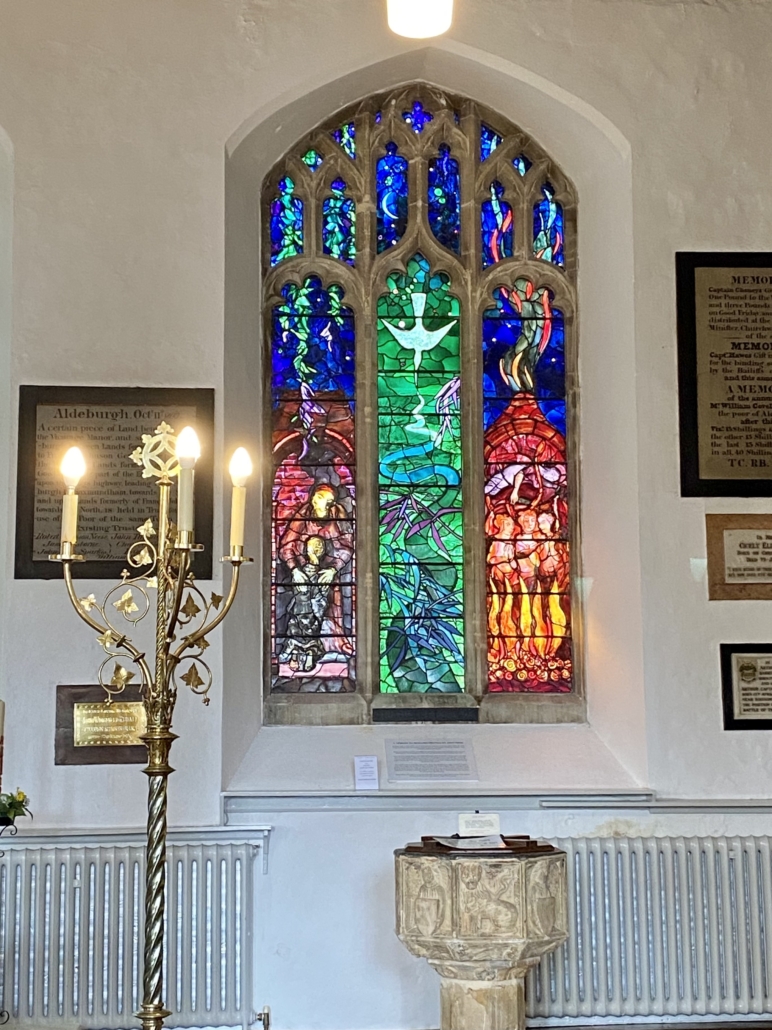
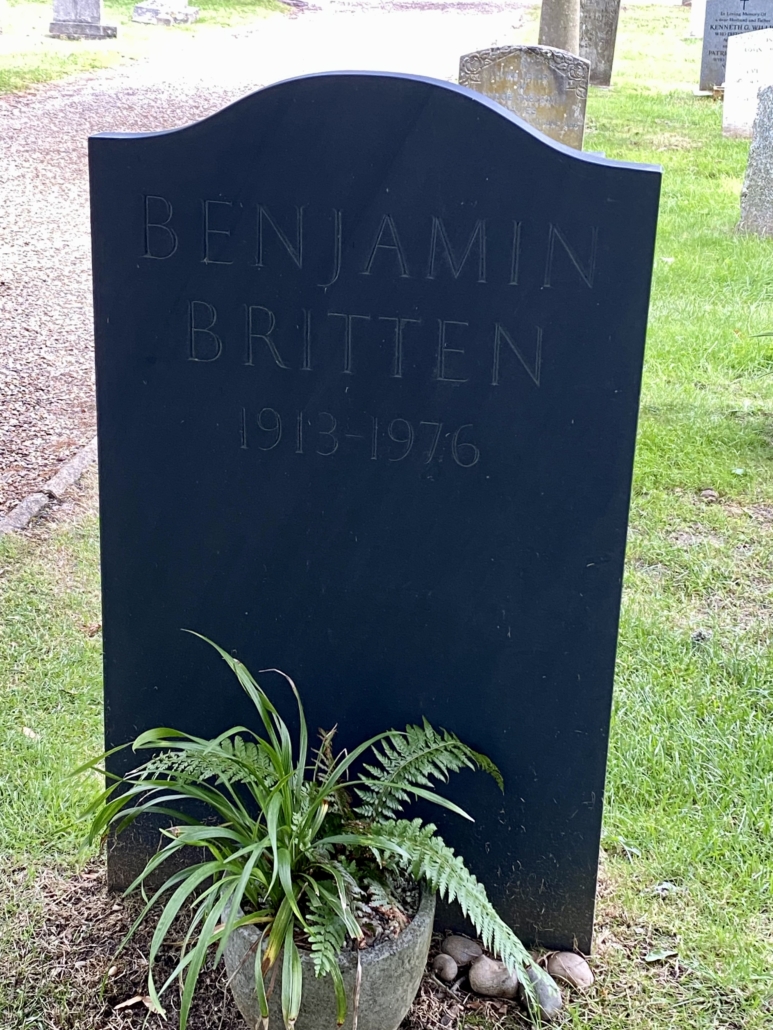
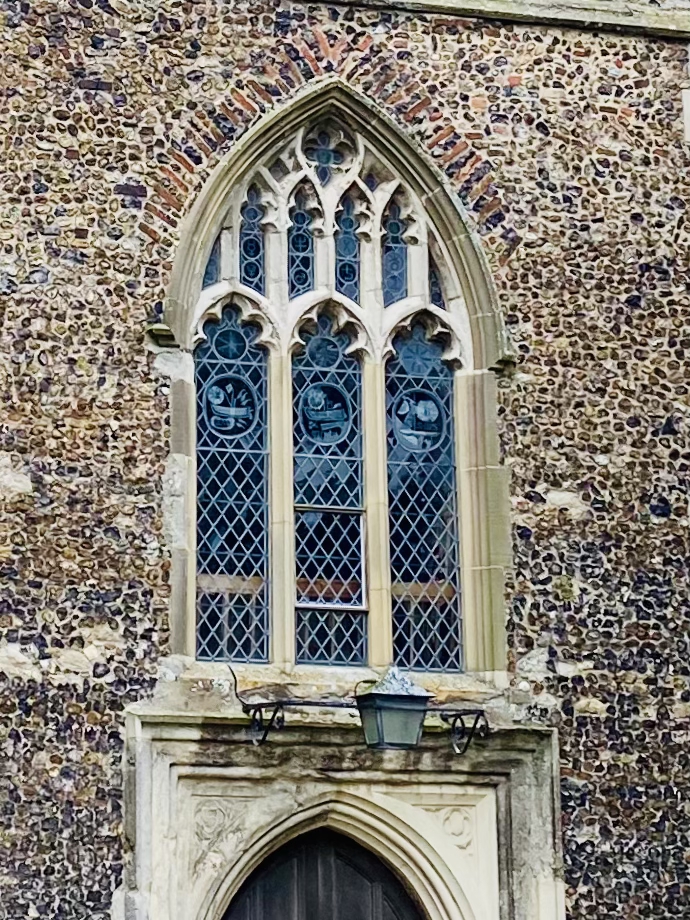
I was very touched that friends I hadn’t seen for years came to each of the afternoon performances: brief masked catchups on several years of life in a few minutes! There was time also to chat to audience members I didn’t know – including a well-respected piano teacher, and a fashion designer (who’d done the beautiful flowers in the church, fortuitously left over that day from a wedding). I had a chance to admire the Piper stained glass window (1980 memorial to Britten, depicting his three Church Parables), and to visit Britten and Pears’ graves. On the way out, a discreet image of three ships, in the window over the doorway, caught my eye. Only after the event did I learn that it had been made by a dear artist friend, Andrew Anderson, whose lino cuttings we’ve exhibited at New Paths!
The way the body processes adrenalin after performing is not always predictable, but for me it tends to be one of two extremes: either I’m buzzing for hours and need to party into the small hours before I can sleep, or otherwise I’m very quickly completely exhausted and ready to sleep almost straight away! There rarely seems to be a middle ground. Perhaps unsurprisingly, on this occasion I was definitely ready to crash. And it’s the mark of good hosts when this is acceptable! A quiet drink (while the younger generation of the family partied a little harder outside), yet more delicious food, and a relatively early night were all on offer and were definitely all the right things. It’s not only that the process of playing this music is full-on: there’s also sometimes a lot to absorb from being in special places and meeting so many interesting people. This definitely felt like one of those occasions. And there was an early start ahead, to catch the train to London. After an intense four days of Bach – Sussex and Suffolk back to back – I have a bit of a breather to do other things before the next 48: a few days working with the BBC Singers, and a week working with cellists on a course in Dorset.
The Suffolk stint has made a particularly significant contribution to the project fundraising. It was always going to be the case that some county performances raise more money than others, and I’m entirely at peace with that: as Tesco would say, every little helps – and the different types of venue and setup in different places all have a role to play in the shape of the whole project. But Stephen and Victoria’s proactive approach, commitment to the cause, and personal generosity – along with their securing of corporate sponsors, Artorius and Ruffer – meant that the Suffolk weekend raised in the region of £15,000. This is so meaningful for the charities, and so exciting for me too: the project is really gaining ground. When I set up the Virgin Money fundraising platform at the start of the year I had to set a target for the entire project, and set this at £20,000. I’m now on track to have sailed past this in just six counties – which makes the possible scale of the rest of the year quite exciting. Huge thanks to the Swifts for such a boost, as well as for an invigorating and inspiring weekend.
- County
Suffolk
- Town
Aldeburgh
- Venue
Marsh Cottage, home of Stephen and Victoria Swift, on day 1. Britten and Pears’ former home, The Red House, for the livestream on day 2, and then Aldeburgh Parish Church.
- Audience size
40ish invited guests on Saturday; public audience of around 50 across two concerts on Sunday.
- Piano
Stephen’s Fazioli 212 on Saturday. 1962 Steinway D on Sunday morning (Britten’s piano!). Smaller Steinway from around 1900 on Sunday afternoon.
- Dates
Saturday 31st July & Sunday 1st August: two concerts each day
- Extra events
Discussion with Sir Humphrey Burton before each performance about the music and the project. (Also the monthly livestream which fell while I was here, given from The Red House.)
- Favourite P&F
G major Book 1 – an exuberant run into lunch on day 1!
- Amount raised for project charities
Exact figure TBC but in the region of £15,000