West Sussex: county 5
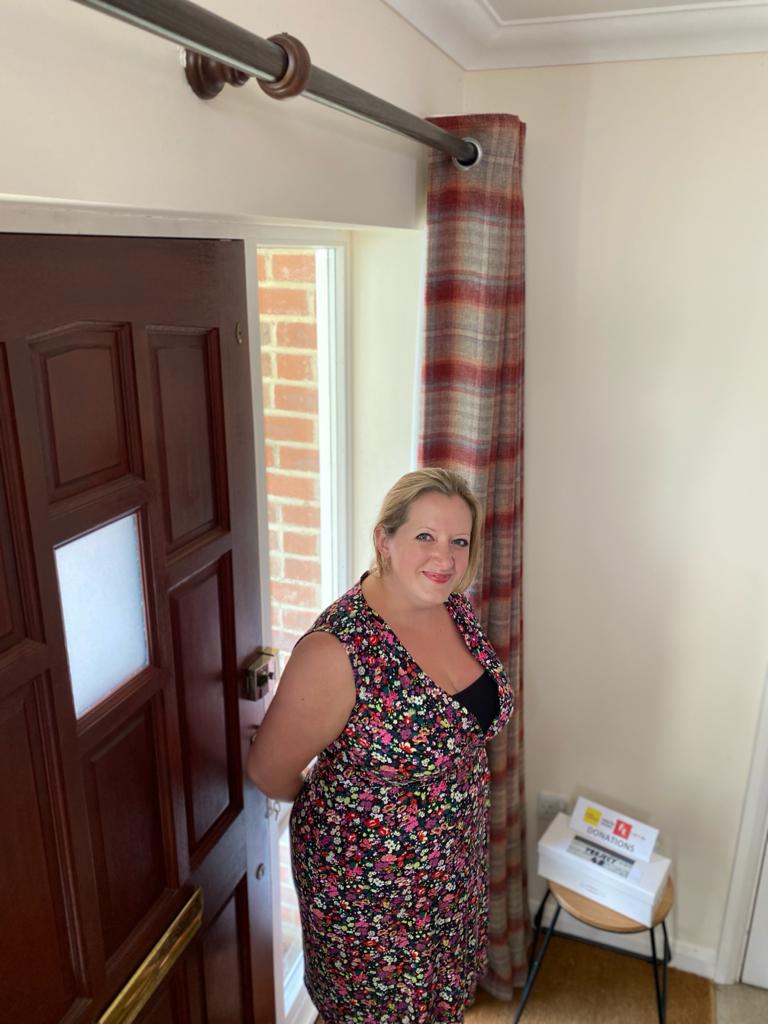
There are many things which I am relishing about this project, but one is the opportunity to draw people I know from different parts of the country into the whole thing – as organisers, helpers, hosts, or audience members. Some counties are particularly noteworthy on that count, though, and having the West Sussex portion of the tour arranged and hosted by my parents was very special.
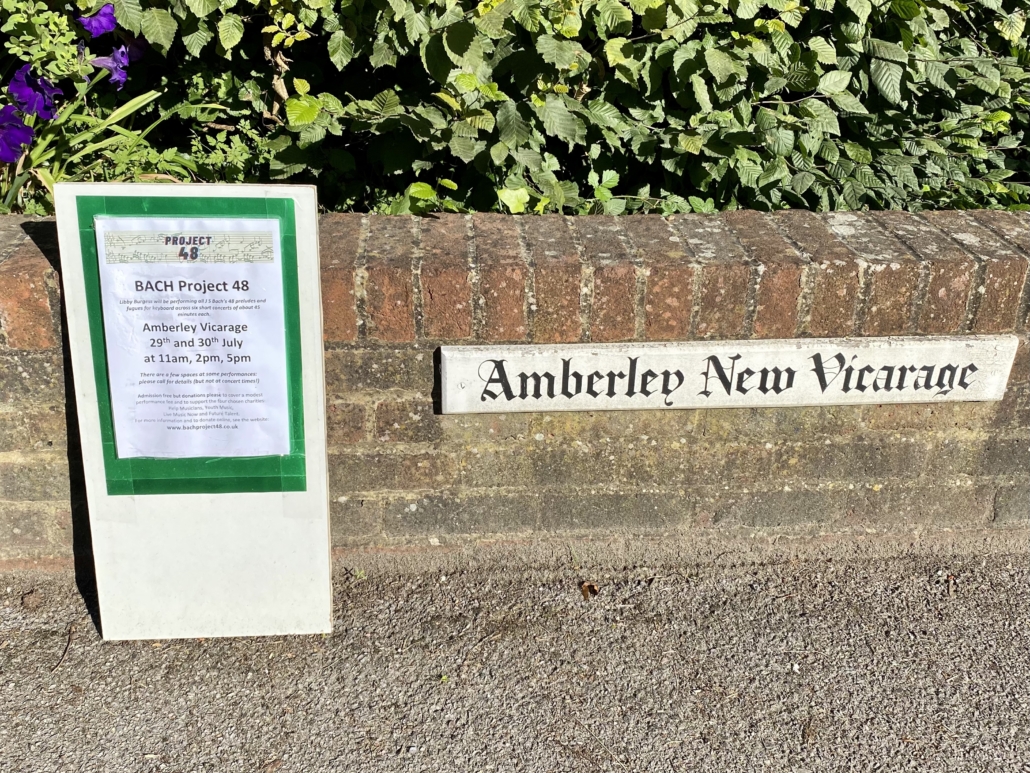
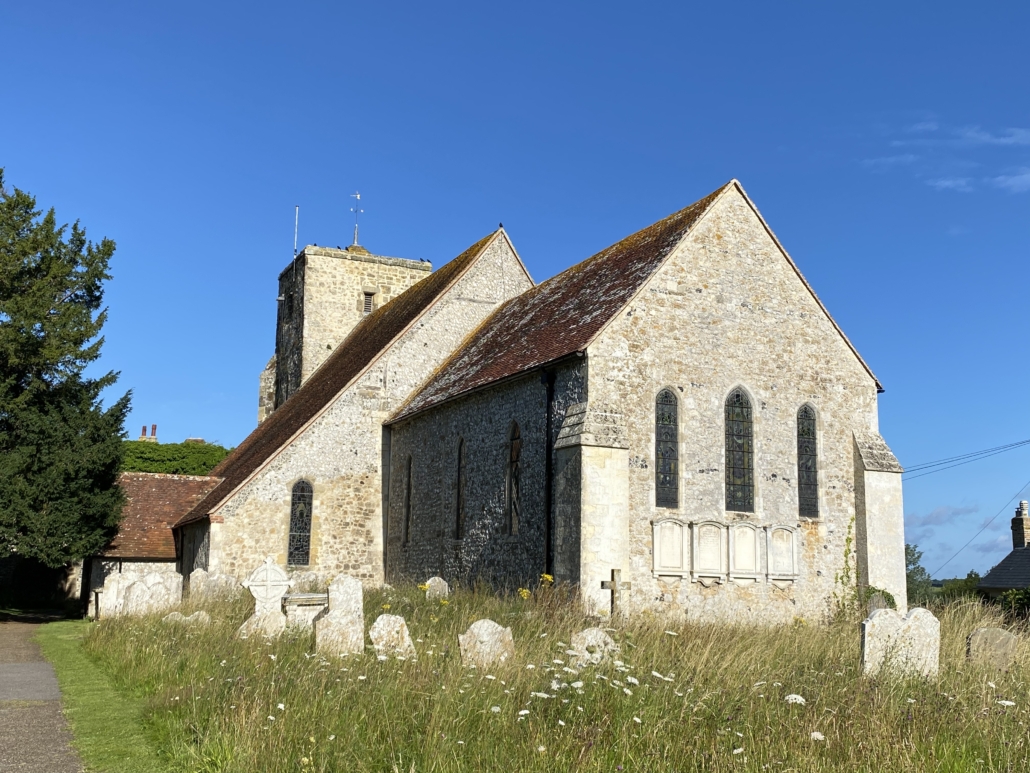
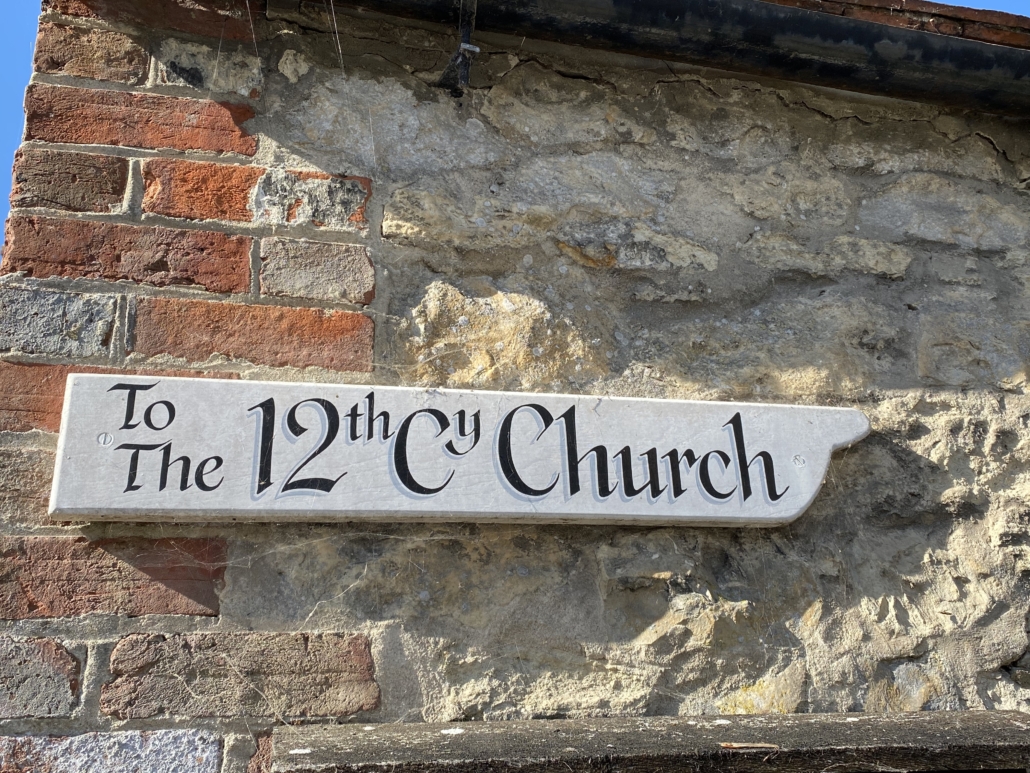
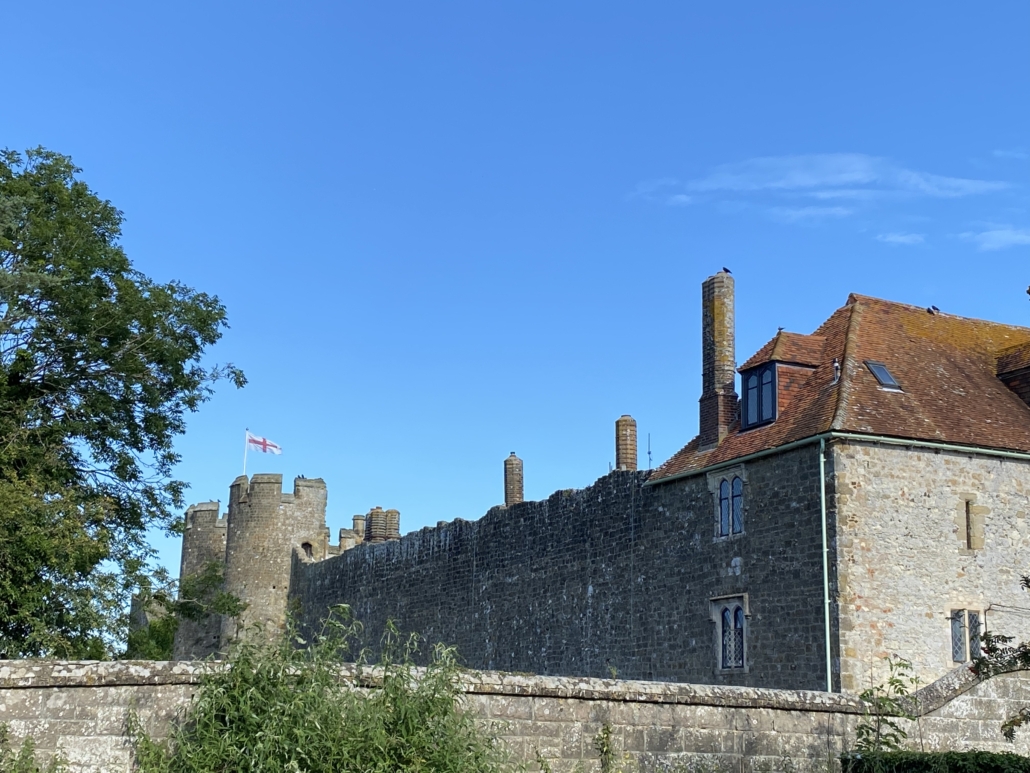
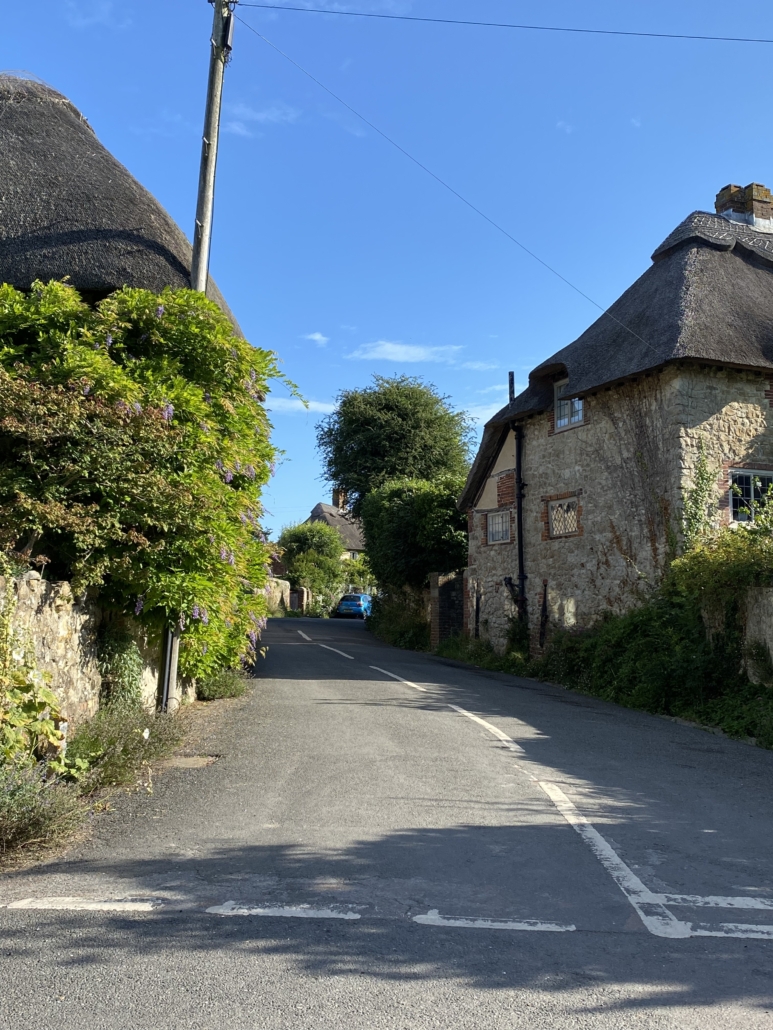
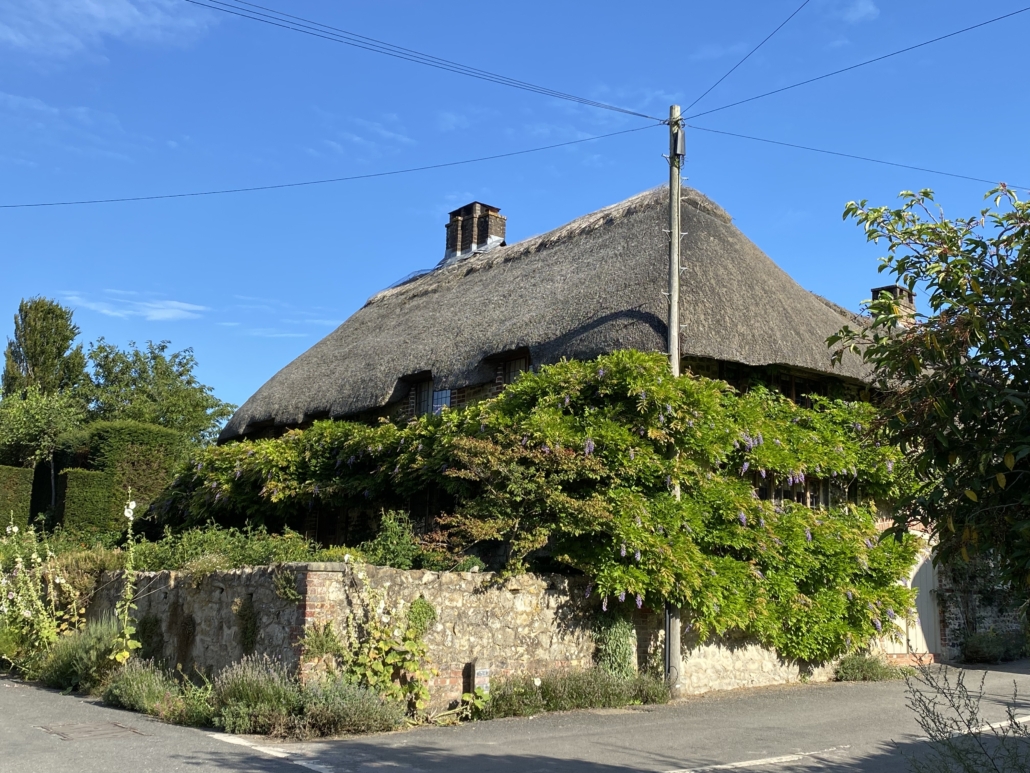
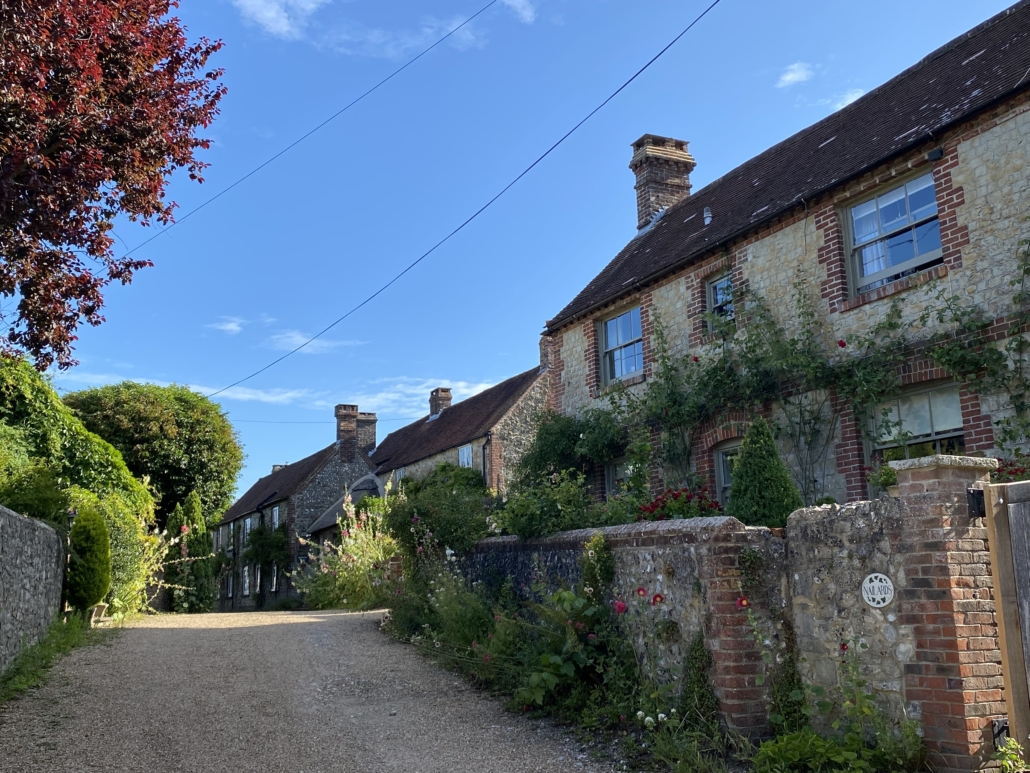
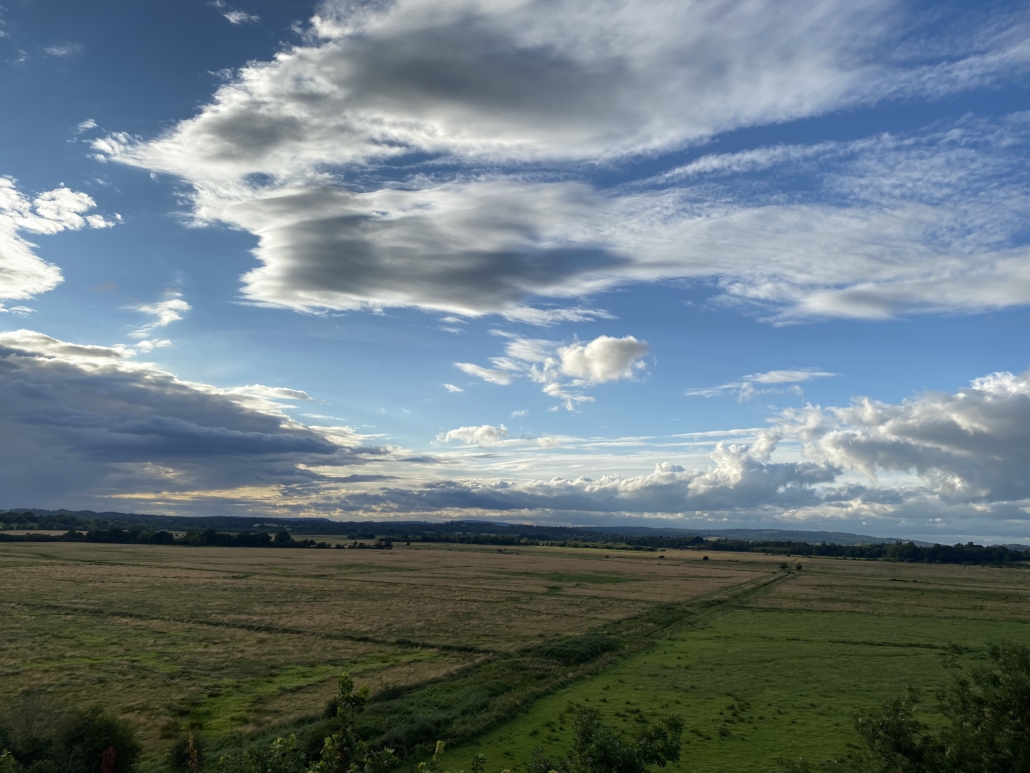
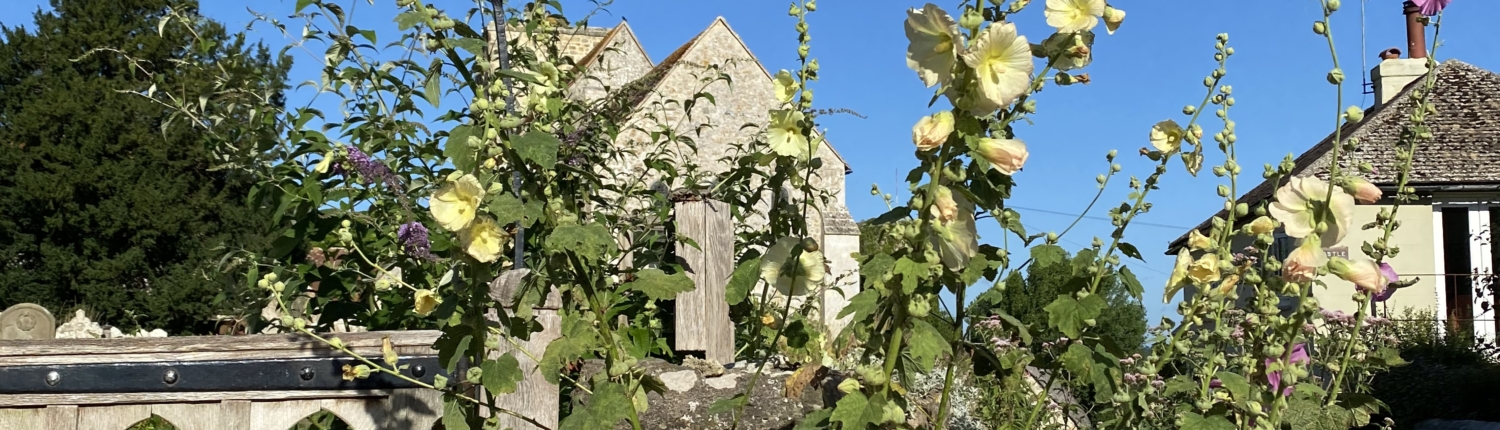
Mum is the vicar in the sensationally beautiful Sussex village of Amberley. The village is full of old stone houses, thatched roofs, climbing roses, and the tallest hollyhocks I’ve ever seen. It has no fewer than three excellent pubs, and a popular tea room. Only minutes off the South Downs Way, this is popular walking territory. Flanking the village are steep green hills, wide open views, and intermittently flooding Wildbrook meadows (inspiring composer John Ireland to write his piano music of that name). Behind the ancient stone church is an equally ancient stone castle, now turned into a smart Relais Chateaux hotel, still with turrets and towers and formidable gateways.
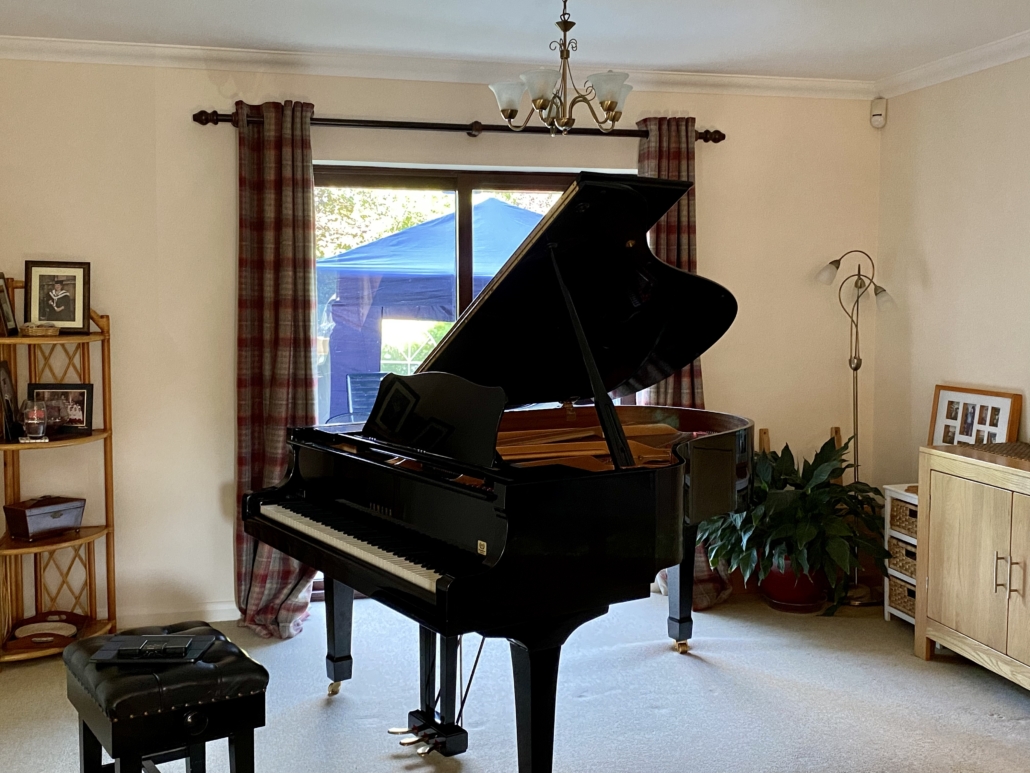
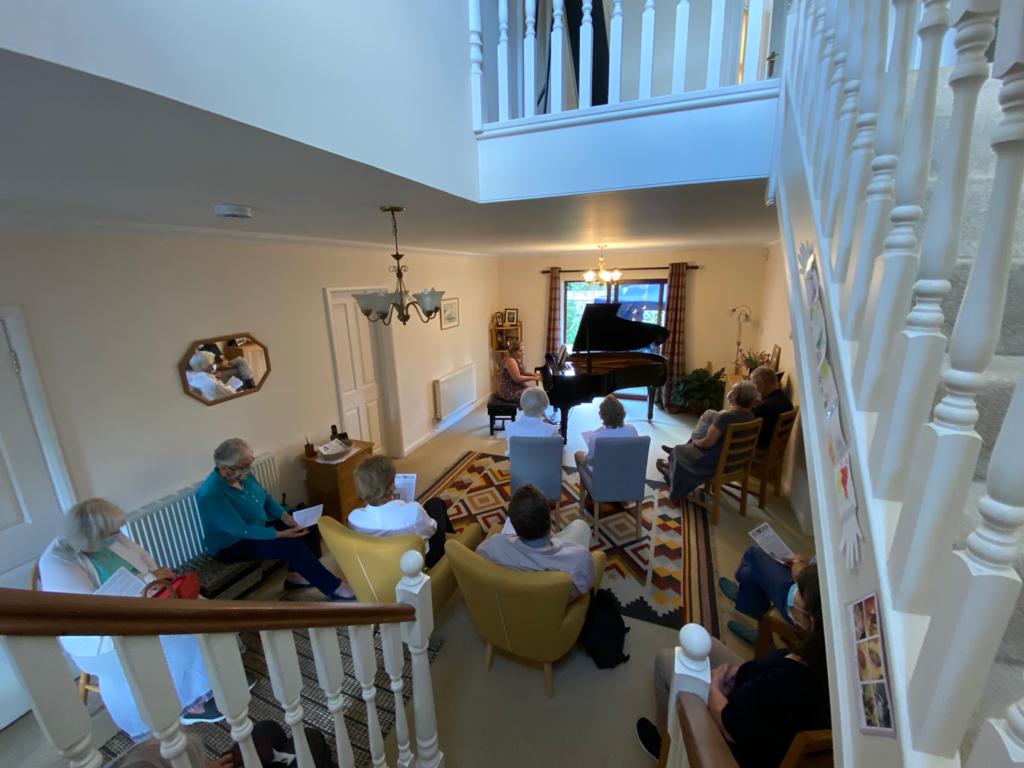
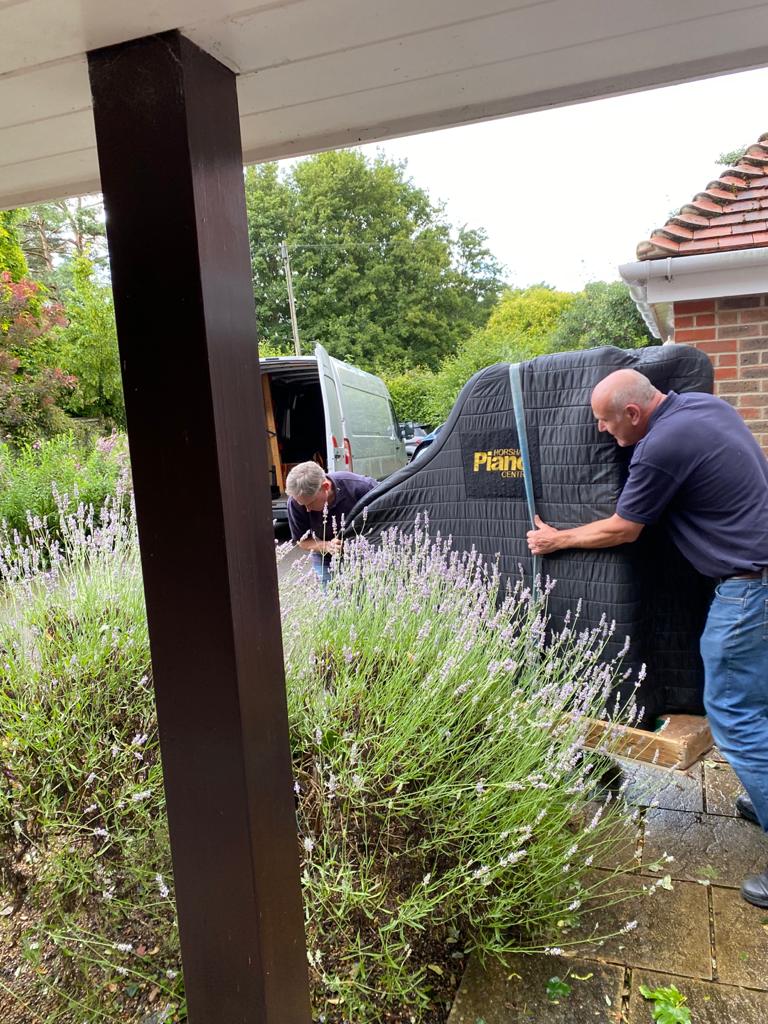
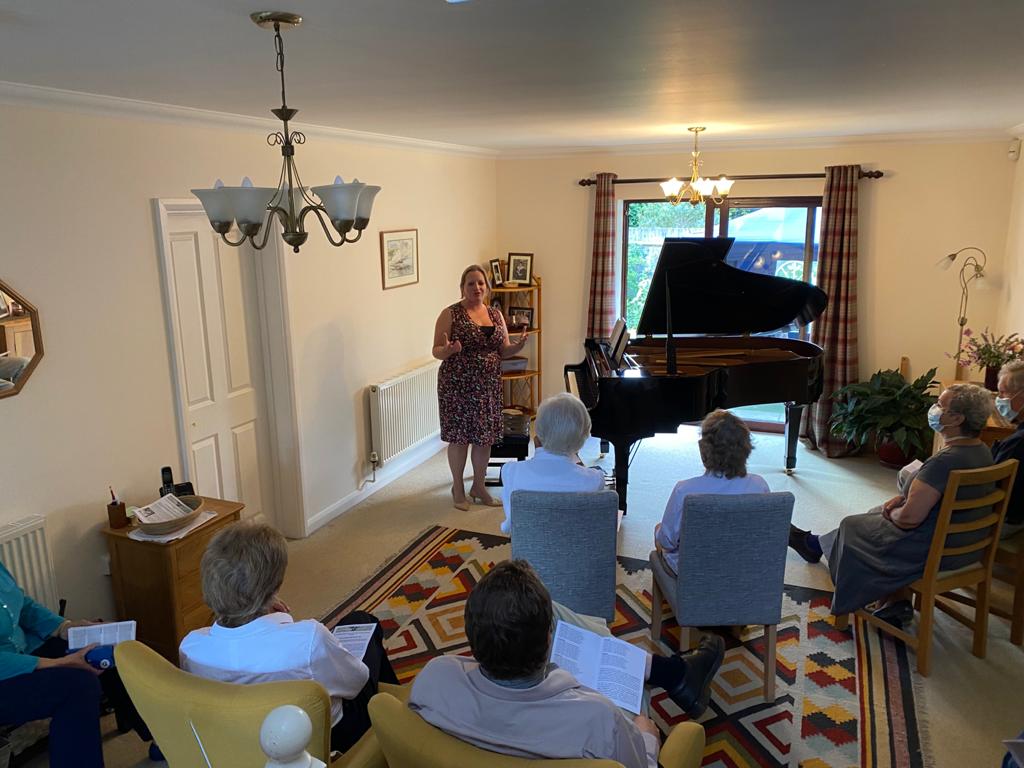
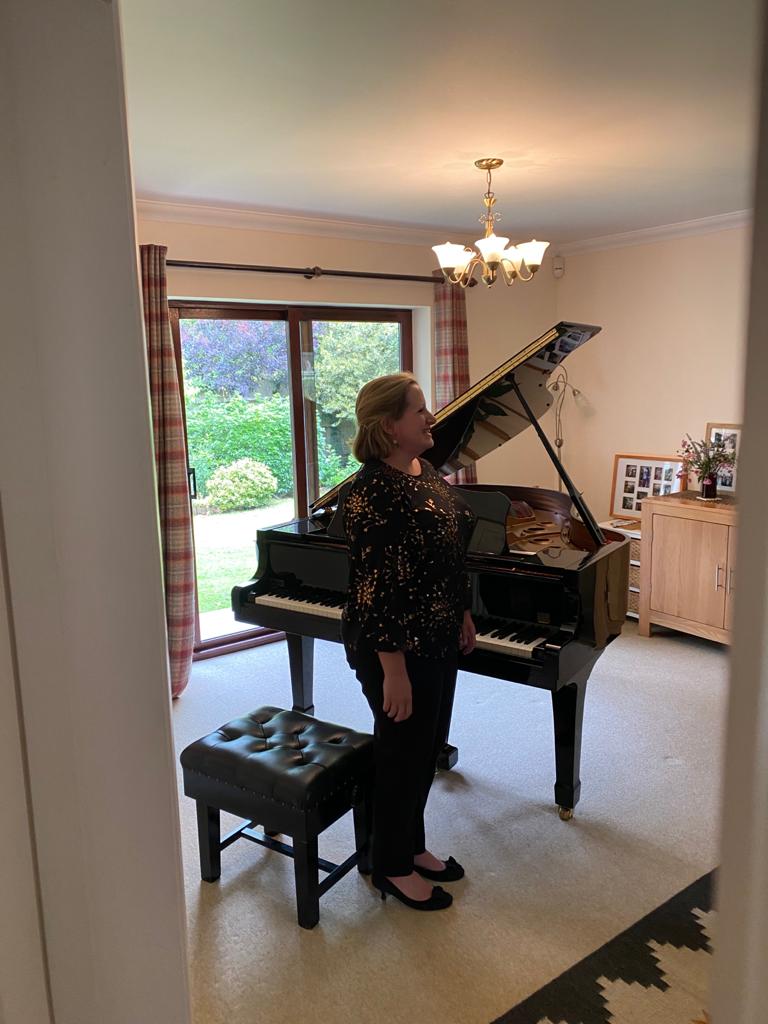
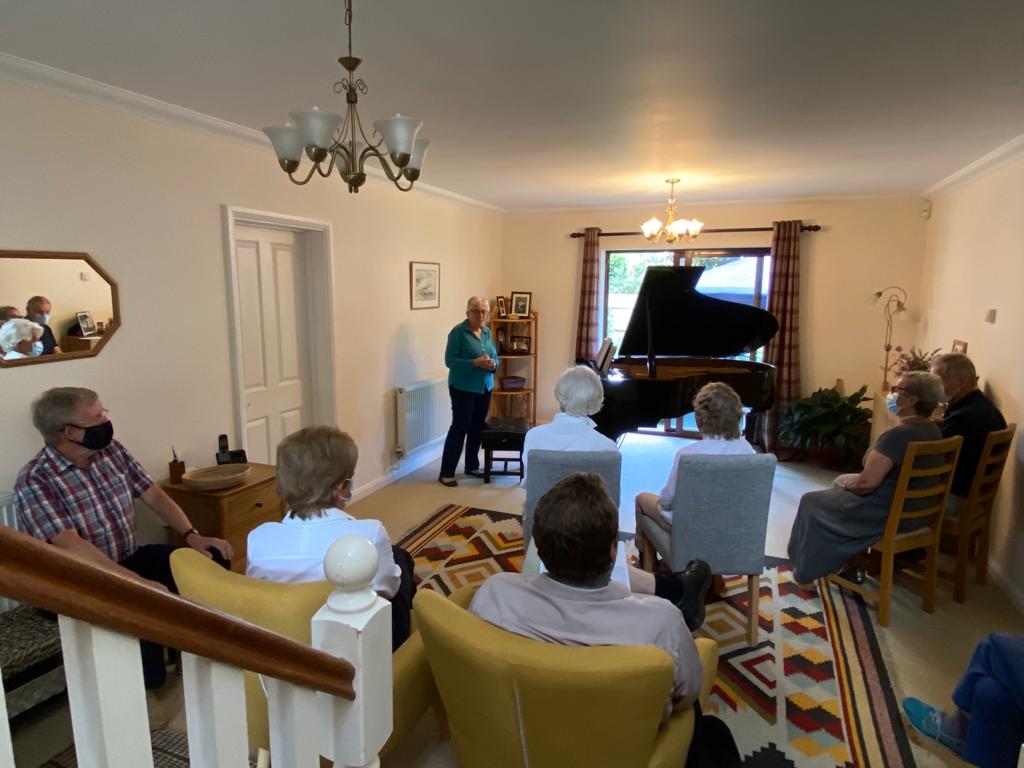
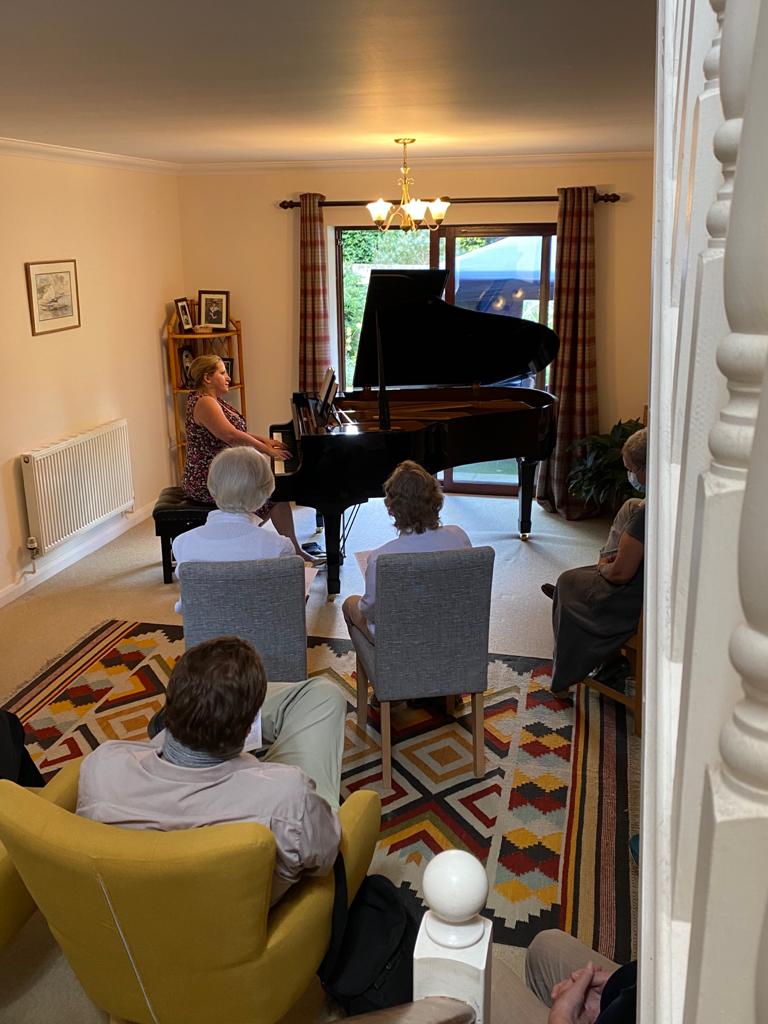
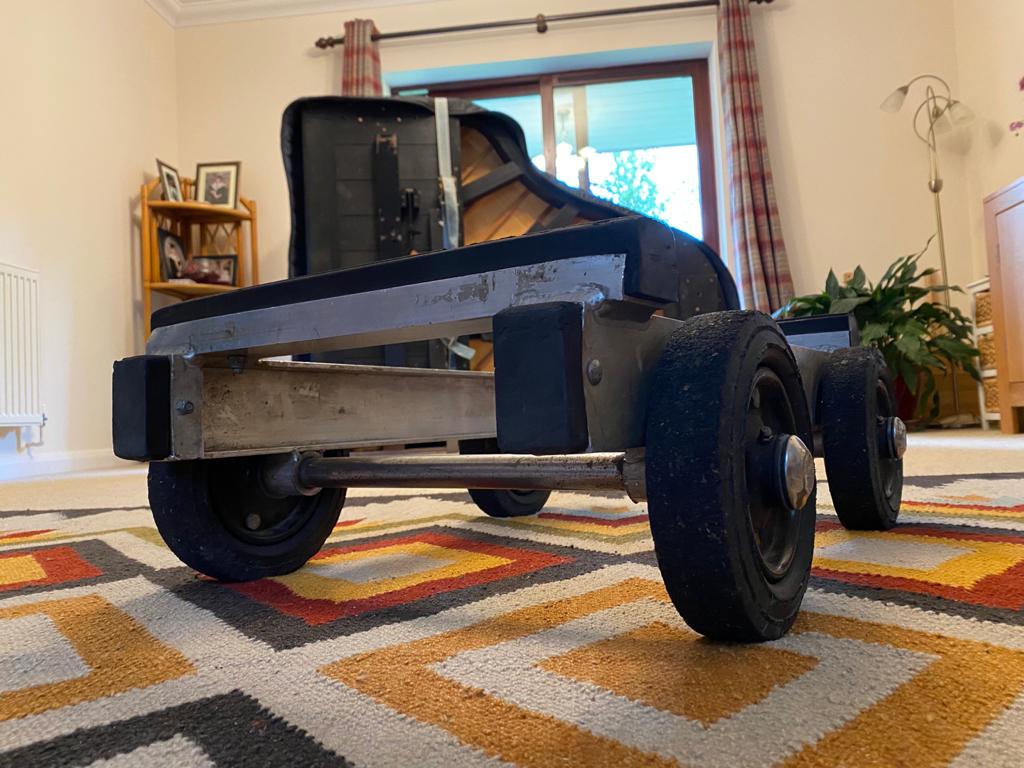
With a Yamaha piano brought in from Horsham Piano Centre, the hallway in the vicarage (or, correctly, the New Vicarage) became the perfect setting for the West Sussex performance of the 48. I think Dad was quite taken with the idea of a grand piano in that space! Who needs a dining table anyway?! It was duly tuned by Mark Beglin, prompting conversations about which temperament I’d most like, and what Bach meant by ‘well-tempered’! (The experts on tuning systems haven’t really reached an agreement on this yet, though it’s widely accepted that Bach’s well-tempered is not the same as modern equal-tempered.) We also spoke about how much better the tonal quality of a piano becomes once it’s fully in tune – moving always totally disrupts them!
Mum and Dad have never been anything but supportive about my musical career: they paid for instrumental lessons when I was a child, drove me to a mad schedule of after-school commitments in different places on different days of the week, sat heroically through hours of pupils’ concerts organised by my teachers. They made significant sacrifices to fund schooling in places that had relevant resources and expertise to help my progress as it became clear I was serious about this music thing. They organised family holiday plans around (transformative) summer schools in my teens (thank you, Oundle). They came to cathedral services when I was a university organ scholar, then performances at music college, then competition finals at the Wigmore, as one step evolved after another. These days they loyally attend the festivals I direct in Yorkshire. They contribute in every way they can. They have always had my back – and particularly so during the last year when, out of nowhere, everything I’d worked for vanished overnight – income, plans, purpose. It felt so deeply right, important, fitting, then, to be here as part of the tour. It also put into quite sharp focus the need for some of the charities I’m supporting: Future Talent, in particular, works with young musicians every bit as able and often more hardworking than I was, but whose family need external help to back them through all these steps of developing as a musician.
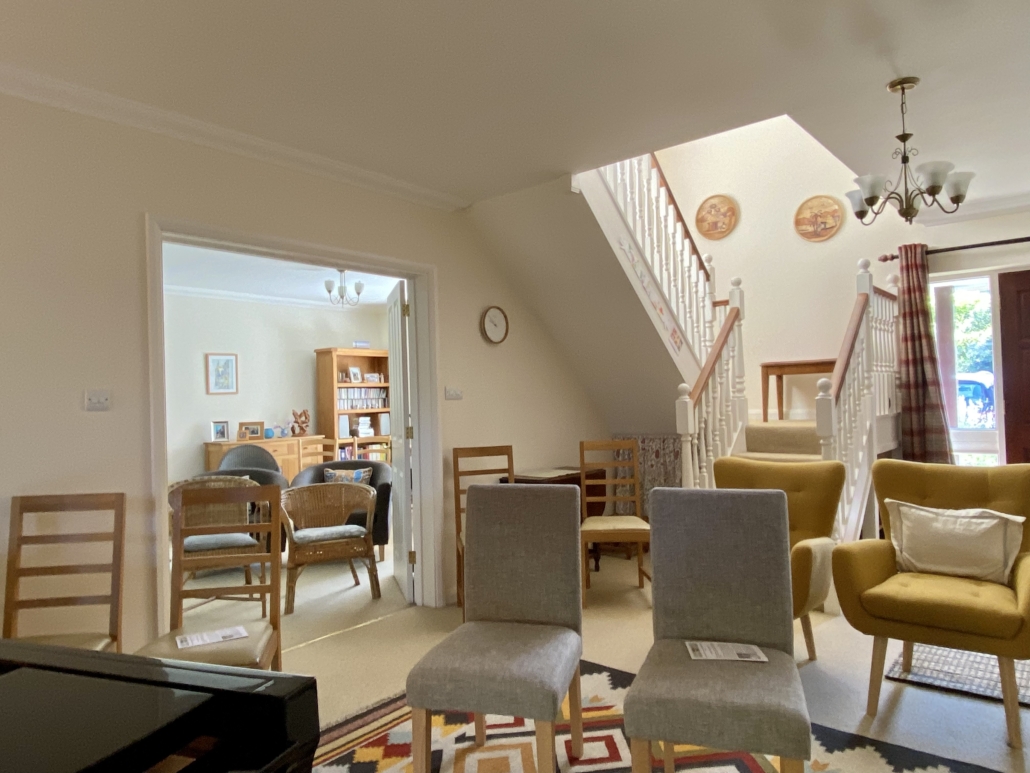
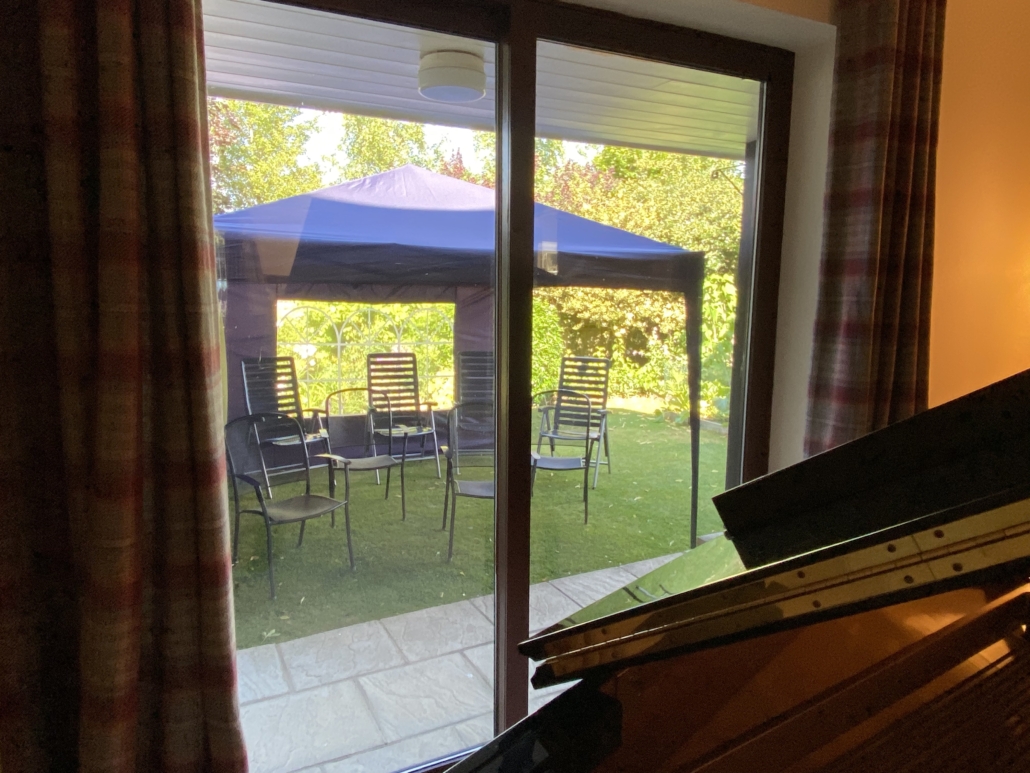
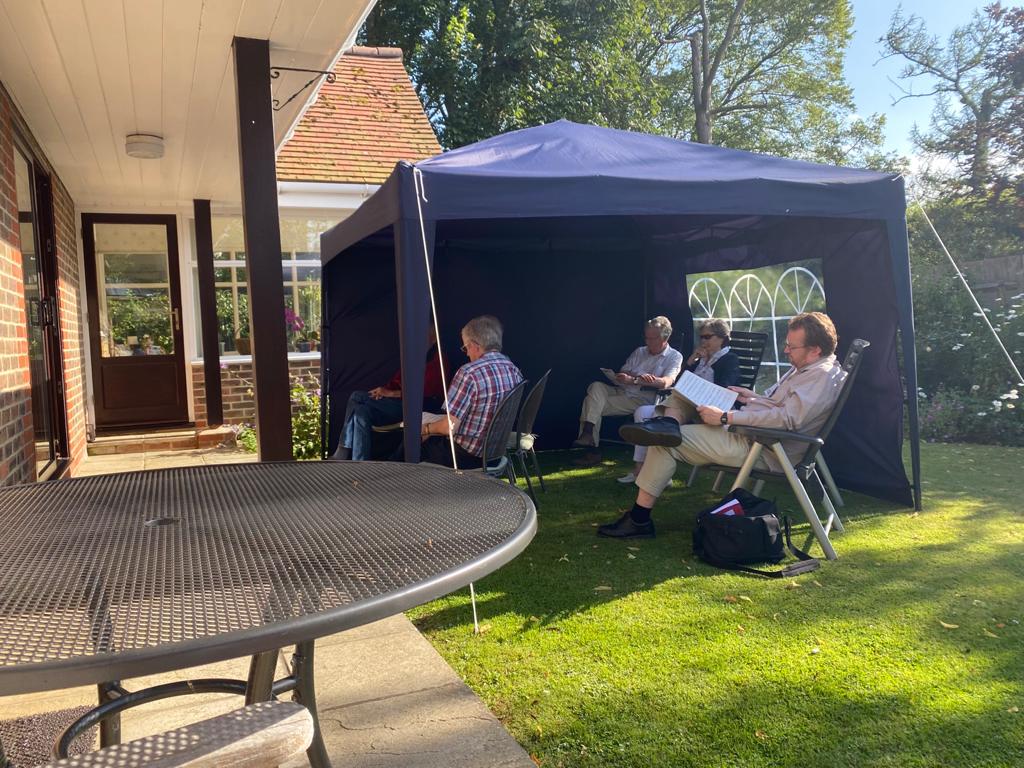
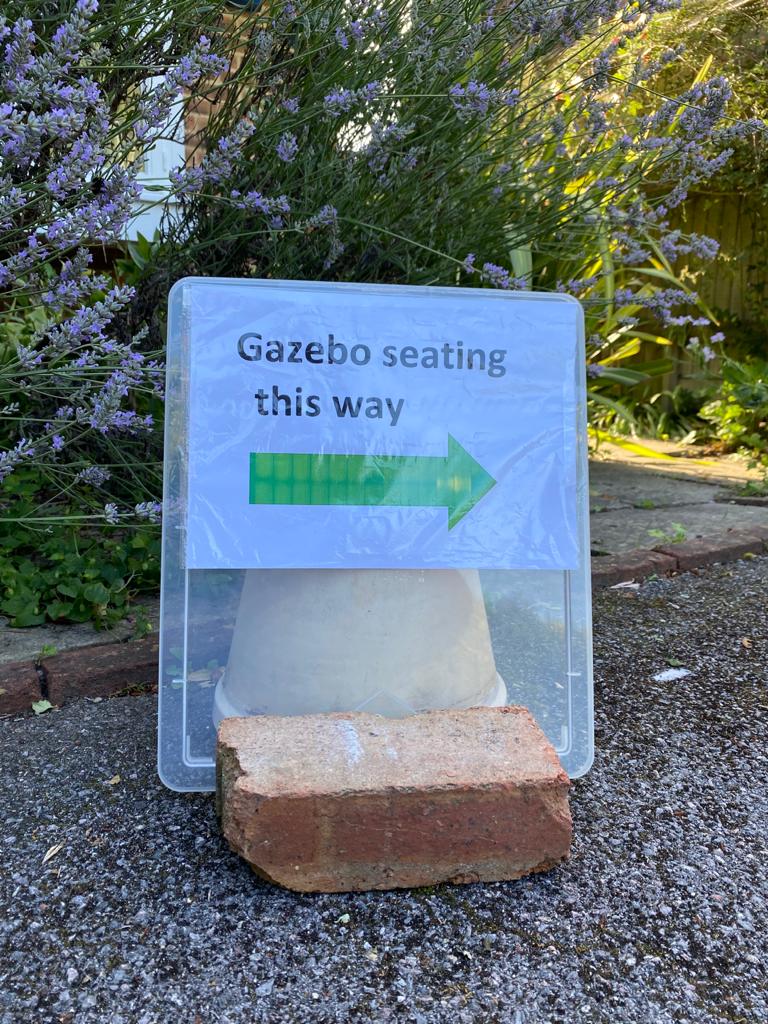
Mum and Dad dug out a veritable smorgasbord of chairs – dining chairs, wicker chairs, office chairs, armchairs, piano stools, garden seating – spaced around the hall, spread through into the lounge, perched on the stairs, or set out in a gazebo. We split the music into six sections across two days – 11am, 2pm, 5pm both days – each segment lasting around 45 minutes with introductory speaking. I grouped the music not in sequence, but in six shuffled programmes, arranged to offer maximum variety within each set, and I enjoyed the fact that the format allowed plenty of space to introduce the music and the project. Several people commented that they found it helpful to be introduced to what they were going to hear: I’m gradually refining my patter around what a prelude or a fugue is, how they’re constructed, how they relate to Bach the improviser and composer. I gave a whistlestop tour of the jigsaw puzzle that is contrapuntal writing, but permission (indeed, encouragement) to listen just to the beautiful work that it creates without any need to analyse. Most audience members came to one performance, but some came to several, and Mum and Dad took the prize for hearing every note!
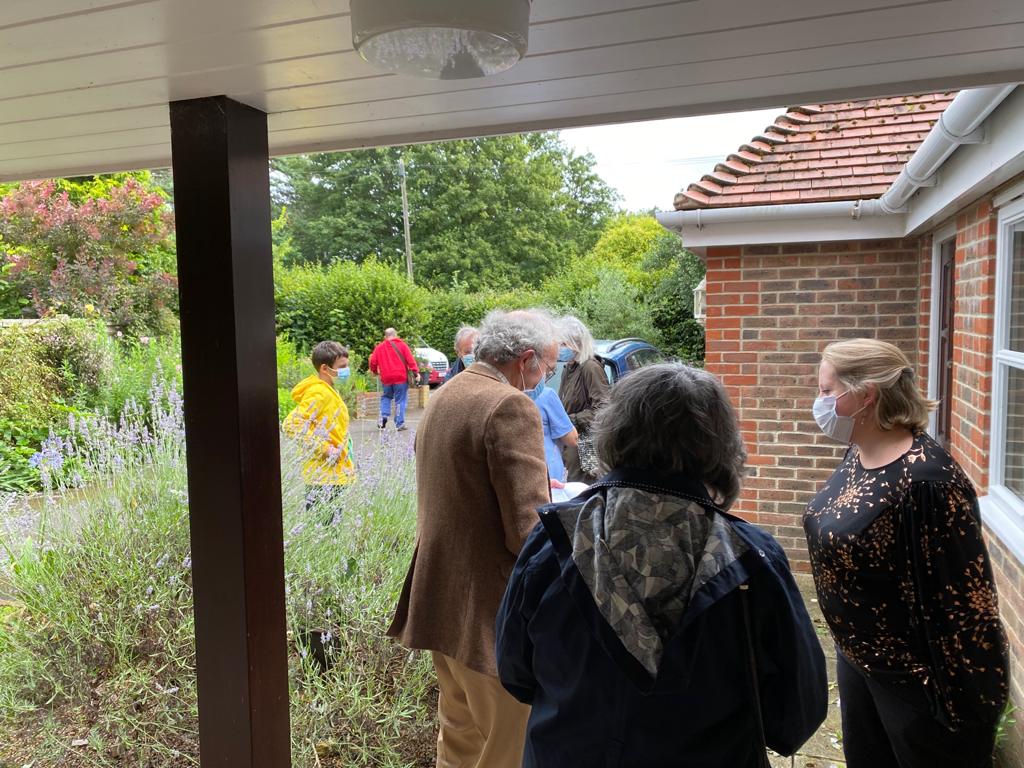
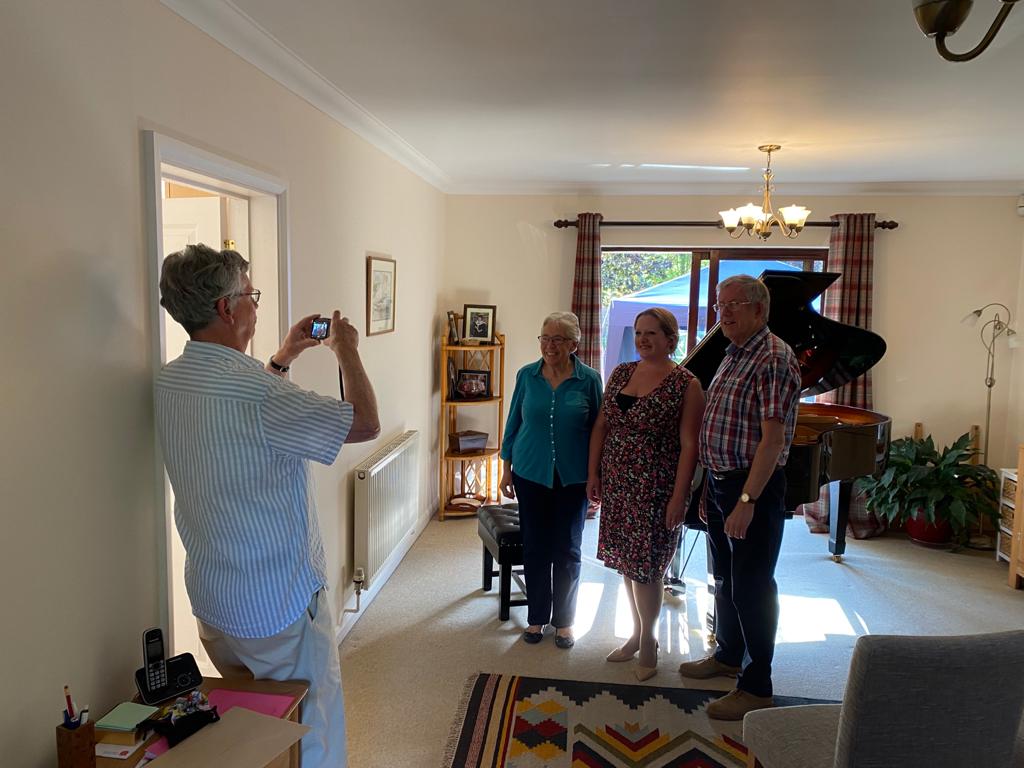
The chart on the kitchen table of the guest list – a rota carefully planned to cap numbers according to available space and social distancing – was littered with crossings out and additions, as people fell ill or got pinged by Track and Trace, or conversely came to one performance and asked to return for more! Many of those who came were parishioners, some musically very knowledgeable, some self-confessedly less so but keen to support. Enthusiastic concertgoers from the wider area came along, enjoying the rare chance to hear some of this music. A theatre critic newly moved into the village was there, a cathedral organist, a retired archdeacon, the director of music at the parish church, a teenage pianist staying with his grandparents. This may be an affluent area, in part, but it’s also very down-to-earth: the people are interesting, and interested. A music-lover with increasing dementia came to two performances. (The extent to which music engages the brain even in very advanced dementia, after other elements of communication and comprehension become difficult, is extraordinary, and it’s often said that even when people can’t remember having attended a concert, they remember the feeling that the music gave them. Hundreds of interesting resources about this online, but you could start here, here or here.)
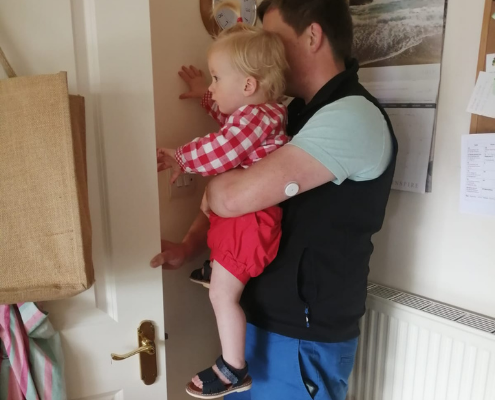
Friends of my own travelled to be there. A university friend who teaches up the road came for a whole day. My former oboe teacher from my teenage years came along, with her now unbelievably grown-up daughter (still in the womb when I was having lessons!). Most preciously of all, my brother and his wife came, bringing my two nieces, aged seventeen months and just three weeks. The girls slept through some of the music, at the back or safely upstairs, and watched other bits from the kitchen and the garden, captivated by the music. Bach is a completely unbeatable way to start their concertgoing lives! And getting to have cuddles, and push the swings and hold hands on the slide, in gaps between concerts was a complete joy.
At such a young age, being right up close to the action is so important – rather than the music being some remote thing taking place at the other end of a huge building. It’s so much more directly engaging when you’re close enough to see every movement and feel the air vibrate. But actually the same is true for adults! It was a distinctive feature of the setup that no-one was more than a handful of metres away, and the closest just two. There is a real intensity that comes from the immediacy of that shared experience.
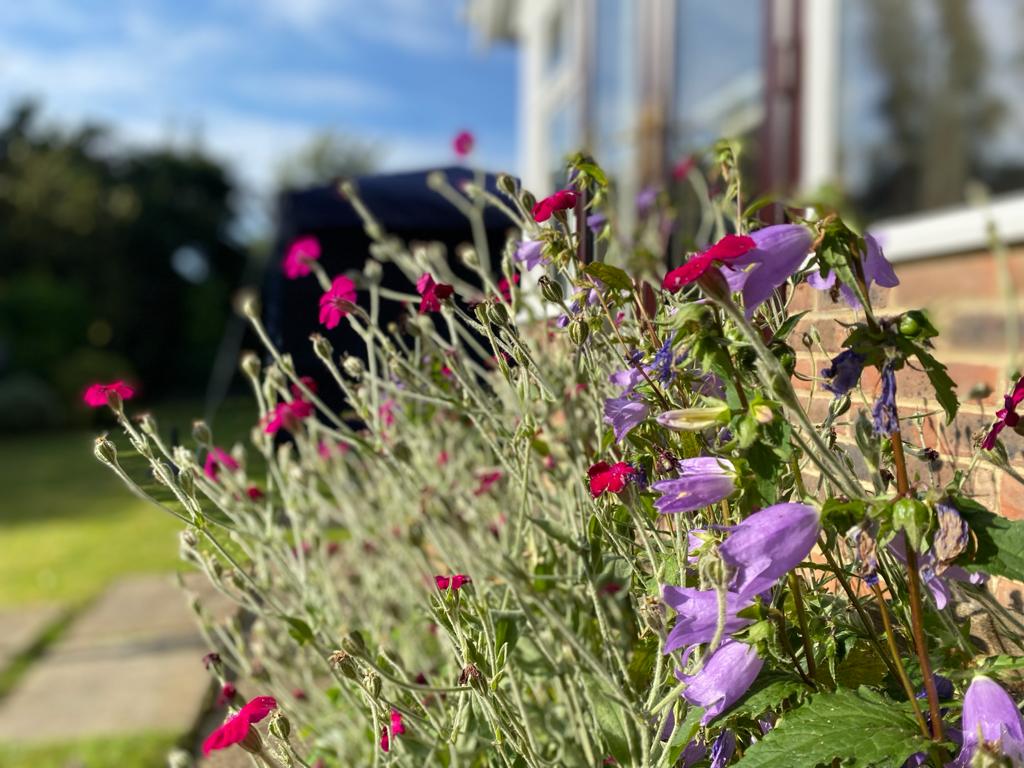
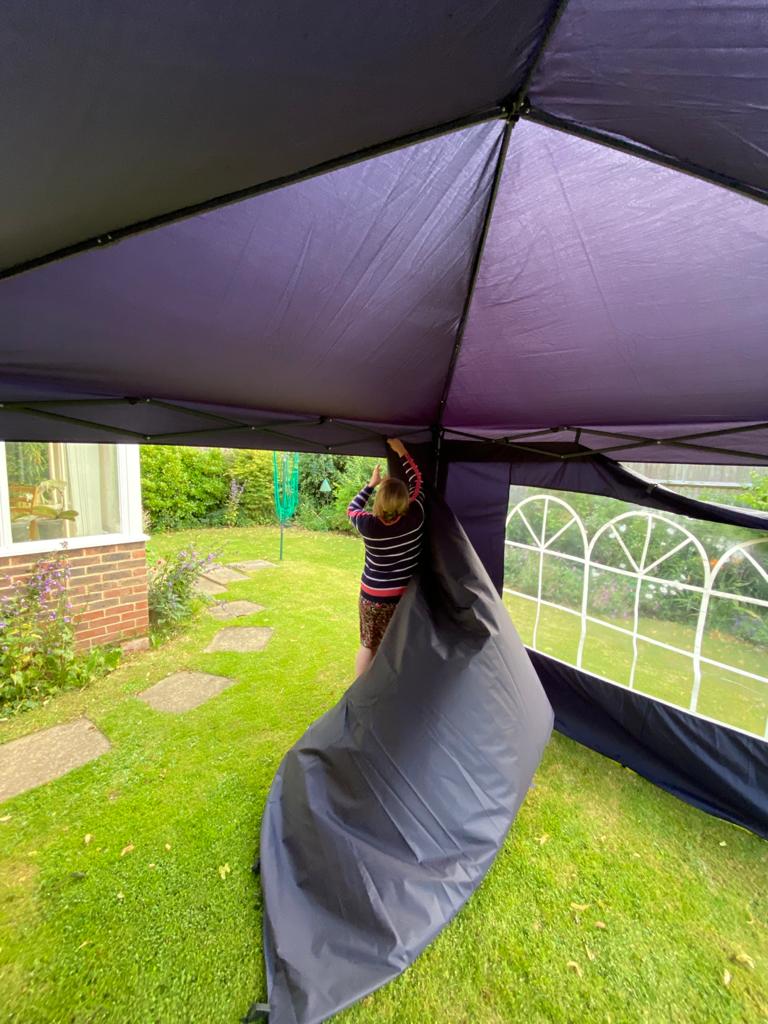
For some people, nervous about Covid indoors, or just taking a hit for the team when other chairs were taken, the gazebo offered a different perspective. The patio doors were wide open and the sound of the music mingled naturally with the breeze and the birdsong. (It was an impressively speedy family operation putting the thing up the day before and an even speedier process bringing it back down again when gales threatened to sweep it away on day 2!).
From the outset I have said that I want each performance to feel different – and so far that has been the case more than I might have imagined, but also in ways other than I might have imagined. It’s been interesting reflecting with attendees about the irreplaceable elements of live music: the fact that it’s a shared experience, so not only do the inherent qualities of each space/acoustic/instrument affect the way the music feels, but – perhaps more so – it’s the light at a particular moment as the weather changes (the sun magically came out at the end of a fairly minor-heavy programme, as Bach resolved to D major), it’s the nature of the listening of a particular group of people, it’s the way particular moments of music resonate with the souls of the people there and an electricity in the air becomes palpable. I try to construct programmes with a shape, throwing the natural spotlight onto one or two emotional peaks, and I try then to perform with that architecture in mind – choosing, for example, not to over-egg particular moments early in the programme, in order to reserve impact for something coming later. But sometimes something happens in the room at a moment that I haven’t anticipated: the C minor prelude from Book 2, very early in concert 3, was one of those moments, multiple people commenting afterwards how much that moment had moved them – the music itself, and the way it evolved out of the positivity of the music before it. Comedians and actors and directors all play with the same questions of timing and shaping and responding. I’m reading Barack Obama’s autobiography A Promised Land at the moment, and he describes something akin to this about speech-giving:
There comes a point in the speech where I find my cadence. The crowd quiets rather than roars. It’s the kind of moment I’d come to recognize in subsequent years, on certain magic nights. There’s a physical feeling, a current of emotion that passes back and forth between you and the crowd, as if your lives and theirs are suddenly spliced together, like a movie reel, projecting backward and forward in time, and your voice creeps right up to the edge of cracking, because for an instant, you feel them deeply; you can see them whole. You’ve tapped into some collective spirit, a thing we all know and wish for – a sense of connection that overrides our differences and replaces them with a giant swell of possibility – and like all things that matter most, you know the moment is fleeting and that soon the spell will be broken.’
Occasionally people apologise if they create a noise during the performance, but honestly, after a year of not playing to audiences, those noises have never been more welcome! They’re part and parcel of the back-and-forth of live music-making.
Occasionally organisers apologise if there are spare seats in the venue. But actually it’s often the slightly quieter performances that develop a particularly meditative quality, where this shared experience is particularly palpable.
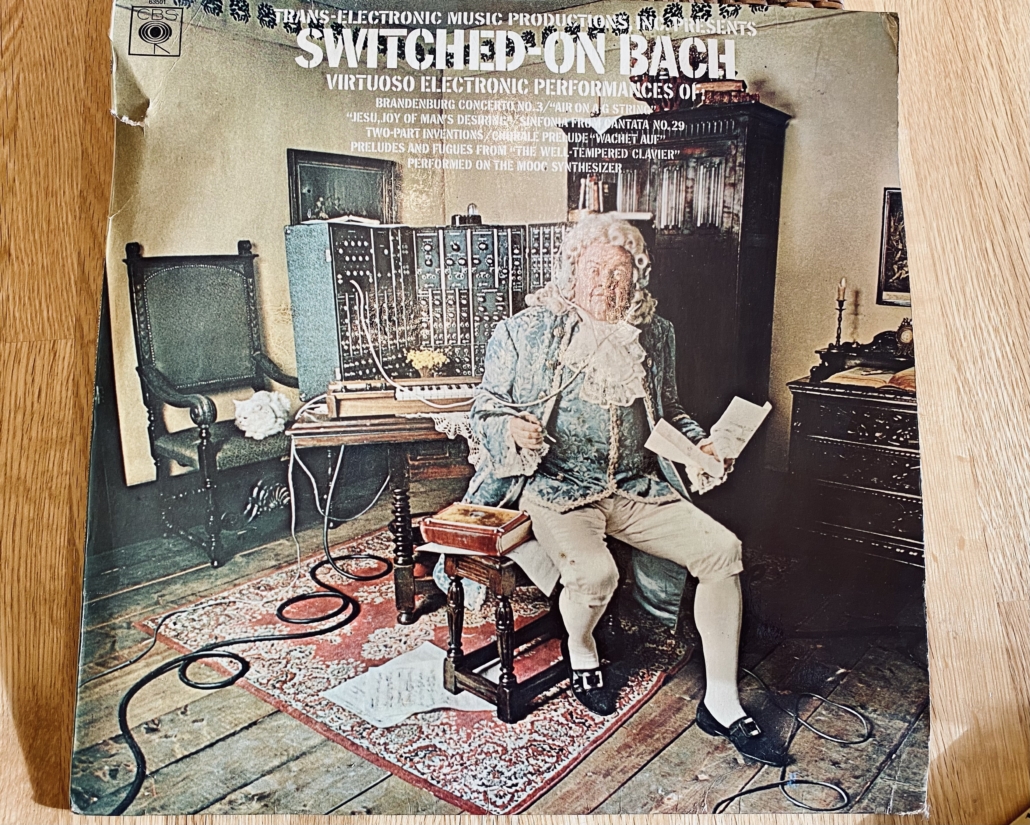
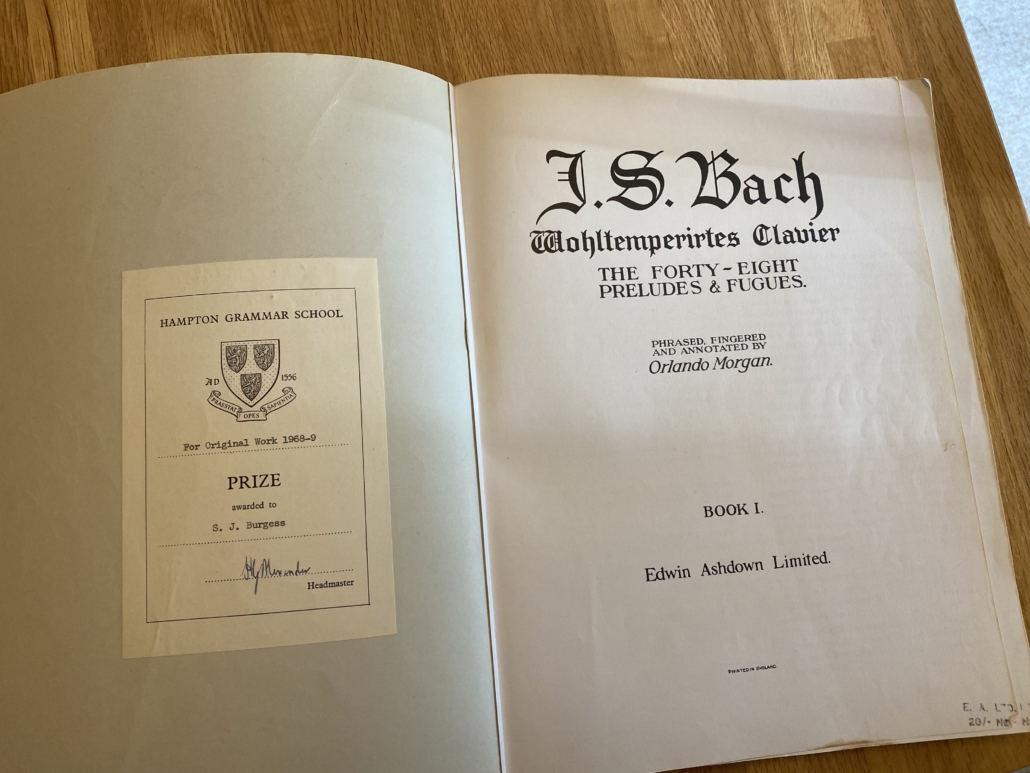
One of my earliest childhood memories is of hearing Dad play the piano at home in the evenings. His top hits then, and indeed now, are definitely Schubert and Bach – including several items from the 48. I knew the melodic and harmonic contours of some of this collection, well before I could play them or read them! So there was something pleasingly cyclical about playing the whole collection in their house for the project. We dug out Dad’s treasured copy, a school prize he received as a teenager, liberally scattered with my own teenage scrawl (sorry Dad!) from my own early delving into this music. We also dug out the LP of Switched On Bach, a marvellously eccentric and globally successful 1960s album of Bach played on a Moog synthesiser, which was how Mum’s mental memories of some of this music sound!
Pacing myself through these couple of days was quite tough. I normally have a banana before each performance but how does that work when there are three concerts in a day?! (Answer: half a banana each time.) Although I can’t eat an enormous three-course meal before a concert, I equally struggle to perform if I’m hungry, and the 5pm slot each day was a risky time from that perspective! (Mum’s famous chocolate truffle cake was the solution here, though I’m not sure there was much left afterwards, sorry everyone.)
But more than anything else it’s the pacing of brain power, concentration, and emotional energy that are hard. Performing four-and-a-bit hours of music over two days is actually not that exceptional, but performing these particular four hours of music is challenging. They require a huge level of emotional investment and focus. It is unfailingly intricate writing. And as a performer you have to change ‘gear’ – mood, key, style – many more times within a programme than in other contexts, where you might have the same duration of concert but fewer component parts. There is nowhere you can let down your guard – no little ditty where you can ease off and concentrate a bit less intensely. But all of that is what makes the experience so powerful – and, judging from audience reactions, not just for the performer. The sense that this music taps into things beyond our comprehension is not going away as I play it more and more. And something about that prompts particularly interesting conversations afterwards too: people cut to the chase, the usual post-concert niceties replaced by honest responses and striking observations.
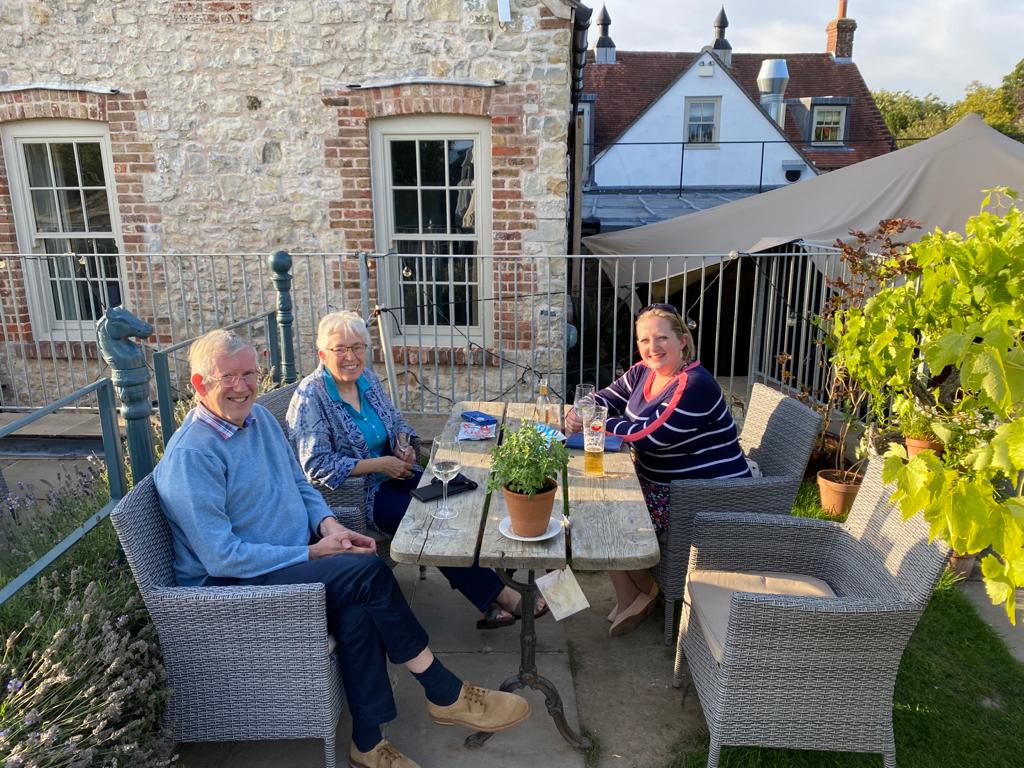
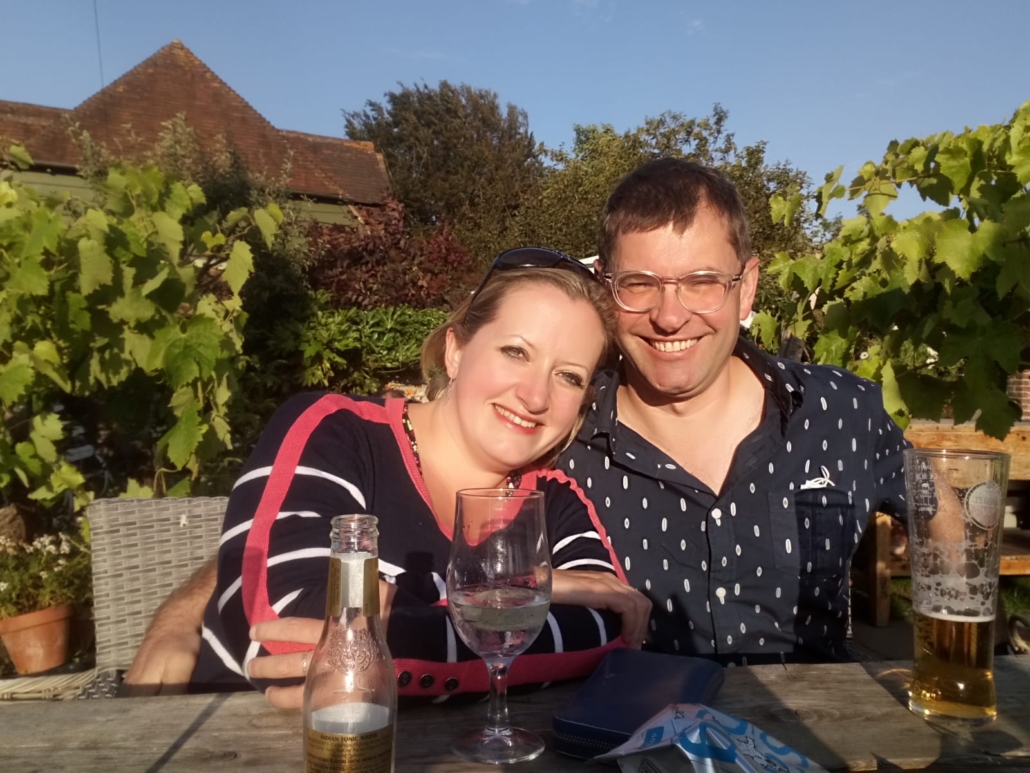
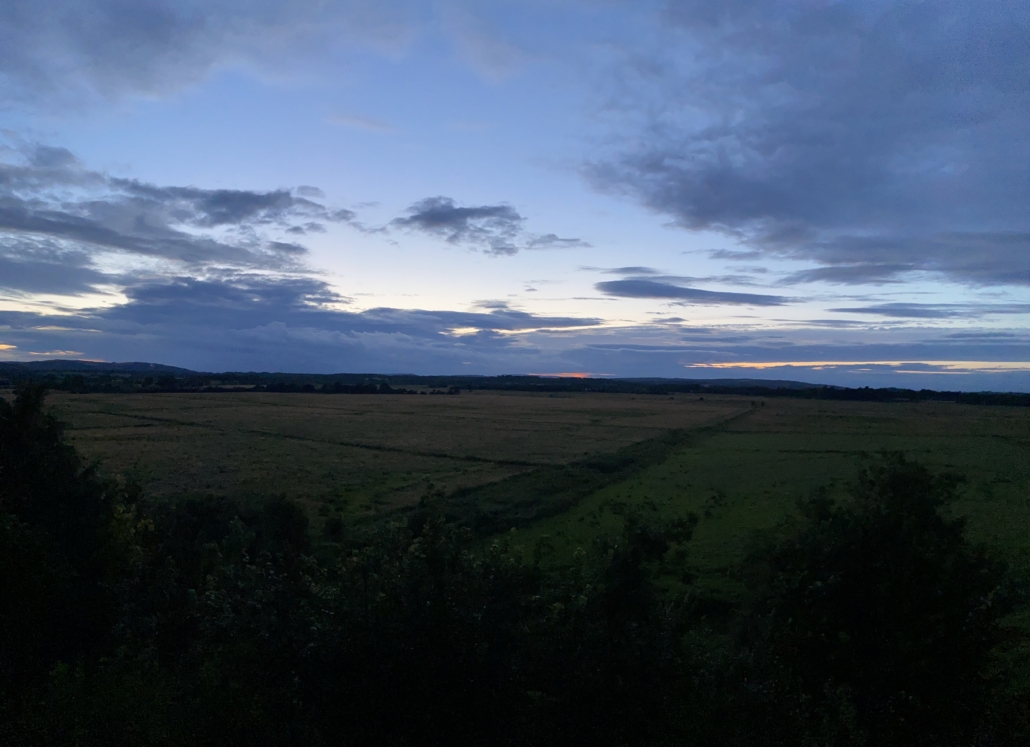
There was only one way to regroup really…. Drinks at the Black Horse after the first day (bumping into some of the audience!) and supper at the Sportsman after the second. The garden at the former is beautiful, whilst the view from the latter is truly extraordinary: sweeping Wildbrooks, herds of deer, ever-changing skies. We could have sat there all night, but to be honest my brain hit shutdown, and I had to be ready for an early start the next morning. Next stop: Suffolk! – but with a heart full of happy Sussex memories.
- County
West Sussex
- Town
Amberley, near Arundel: an ancient and ludicrously picturesque village at the foot of the South Downs. Old stone walls, flowers everywhere, small lanes, beautiful house upon beautiful house, open views, magical night skies.
- Venue
Amberley New Vicarage, a modern house on the edge of the village, just a few minutes’ walk from the 12th-century church. Courtesy of my Mum’s position as Vicar of the Benefice, this is Mum and Dad’s home! Performances took place in the hallway, with audience scattered around, through into adjacent rooms, up the stairs, and into the garden.
- Audience size
Between 15 and 25 at each of the six performances, with some repeat visitors, so something like 120 altogether.
- Piano
Yamaha C3, hired in from Horsham Piano Centre
- Dates
Thursday 29th and Friday 20th June: 11am, 2pm, 5pm each day
- Extra events
Not this time, but room within the timings to introduce the music in a reasonable amount of detail.
- Favourite P&F
Book 1 C sharp minor. The private lament of the prelude and the piling up waves of the solemn fugue never fail to get me.
- Amount raised for project charities
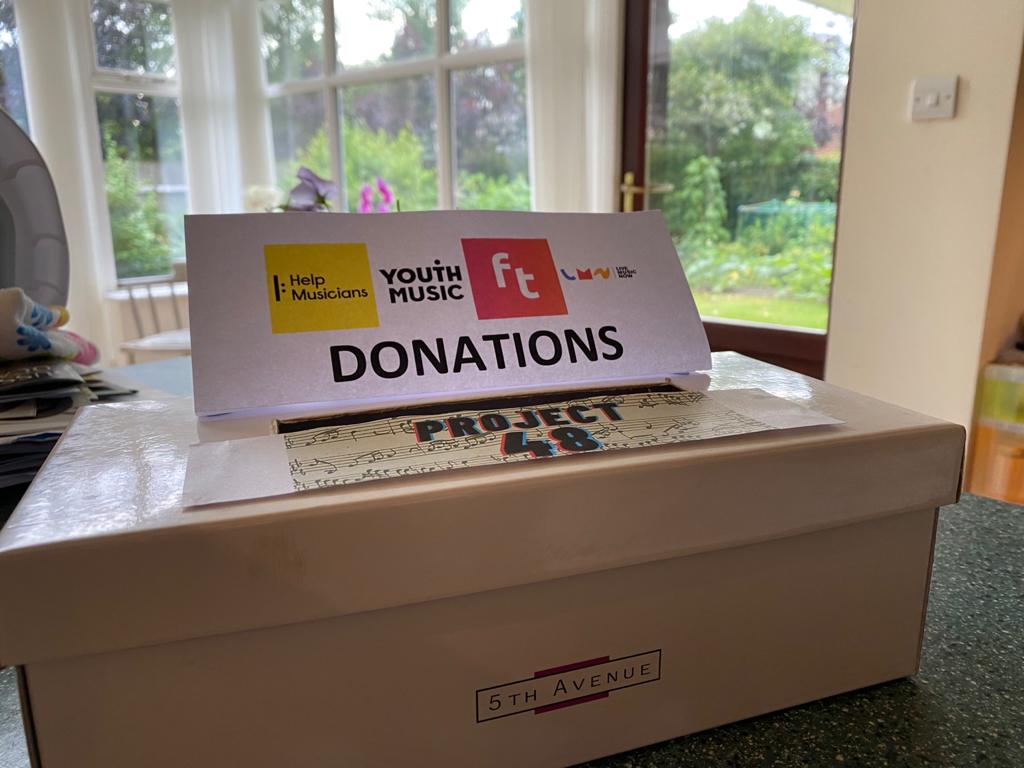
c.£2,600 – £800 in cash donations, and the better part of £2,000 donated online by those who came and several who couldn’t!